British Pubs: How They Work, What to Drink and What to Eat
How a British pub really works: ordering and paying at the bar, rounds, what to drink, pub food worth ordering and the rules on children and dogs.
On this page
A British pub is a licensed house where you order and pay at the bar, then carry your own drinks to a table or stand at it; nobody comes to take your order. That single fact explains most of the awkwardness visitors feel in their first ten minutes, and it is the thing to get right before anything else. This guide covers the bar system, rounds and tipping, the difference between cask and keg, which dishes are worth ordering, and the practical checks on children, dogs and kitchen times.
It is written for people planning a lunch, an evening or a weekend around pubs rather than for beer historians, so the emphasis stays on decisions: what to order, where to sit, when to book and when to walk on. Venues are not named here, because the point is to teach you to read any pub you walk into.
What counts as a British pub, and how it differs from a bar or pub restaurant
The word pub is short for public house, and the defining feature is that it is a house of two halves: a drinking side and, often, a food side. A bar in the British sense is usually a licensed room in a hotel, theatre or restaurant where the offer leans towards spirits and mixed drinks; a pub leans towards beer, cider and conversation. If a place calls itself a pub restaurant or a gastropub, expect the kitchen to lead and the drinking to follow.
The practical consequence is that you can usually drink without eating in a pub, but you cannot always eat without booking, and the balance shifts from room to room. Signs saying bar meals, or a separate menu at the bar, tell you food is informal; a printed menu on every table with a wine list suggests you should sit down and expect table service for the meal. Read the entrance before you commit, and if it is unclear, ask at the bar whether they are serving food and whether you should order there or at the table.
How to order and pay at the bar: no table service, tabs, card versus cash
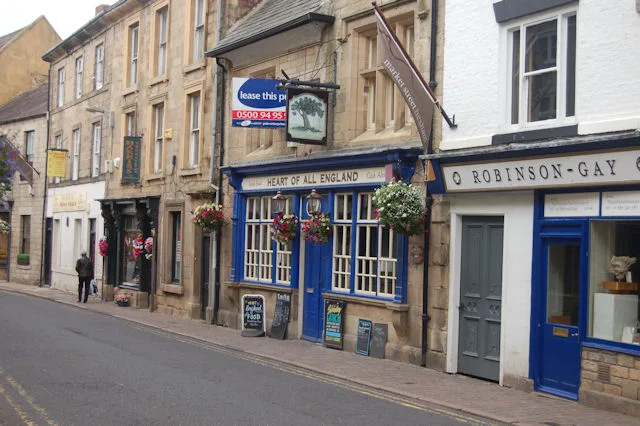
Walk in, find the bar, and join the queue or the loose line along it; staff will catch your eye in turn, and there is no need to wave money. Order drinks first, pay or open a tab, then ask about food if you want it. Most pubs take cards, but a minority of small or rural ones remain cash-oriented, so carrying a note or two avoids a walk to a machine. The finer points of standing your turn and catching the barman's eye are set out in this guide to pub etiquette UK, which is worth reading before a first solo visit.
Tabs are common but not universal: some pubs will hold a card behind the bar, others ask you to pay per round, and busy ones may refuse tabs altogether. If you are eating, it is usually simplest to order and pay for food at the bar when you order, unless staff tell you otherwise. Ask for the table number if there is one, because food is often brought to a numbered table rather than found by description.
Card versus cash is worth a moment's thought on a group night out. Card is faster and gives you a record for splitting later, but if you are buying a round of six drinks, paying in one transaction keeps the queue moving and saves the staff time. Either way, do not leave a card behind the bar and walk out without settling; that is the one mistake that turns a good evening into a phone call the next morning.
Rounds, buying your round and tipping: the unwritten etiquette
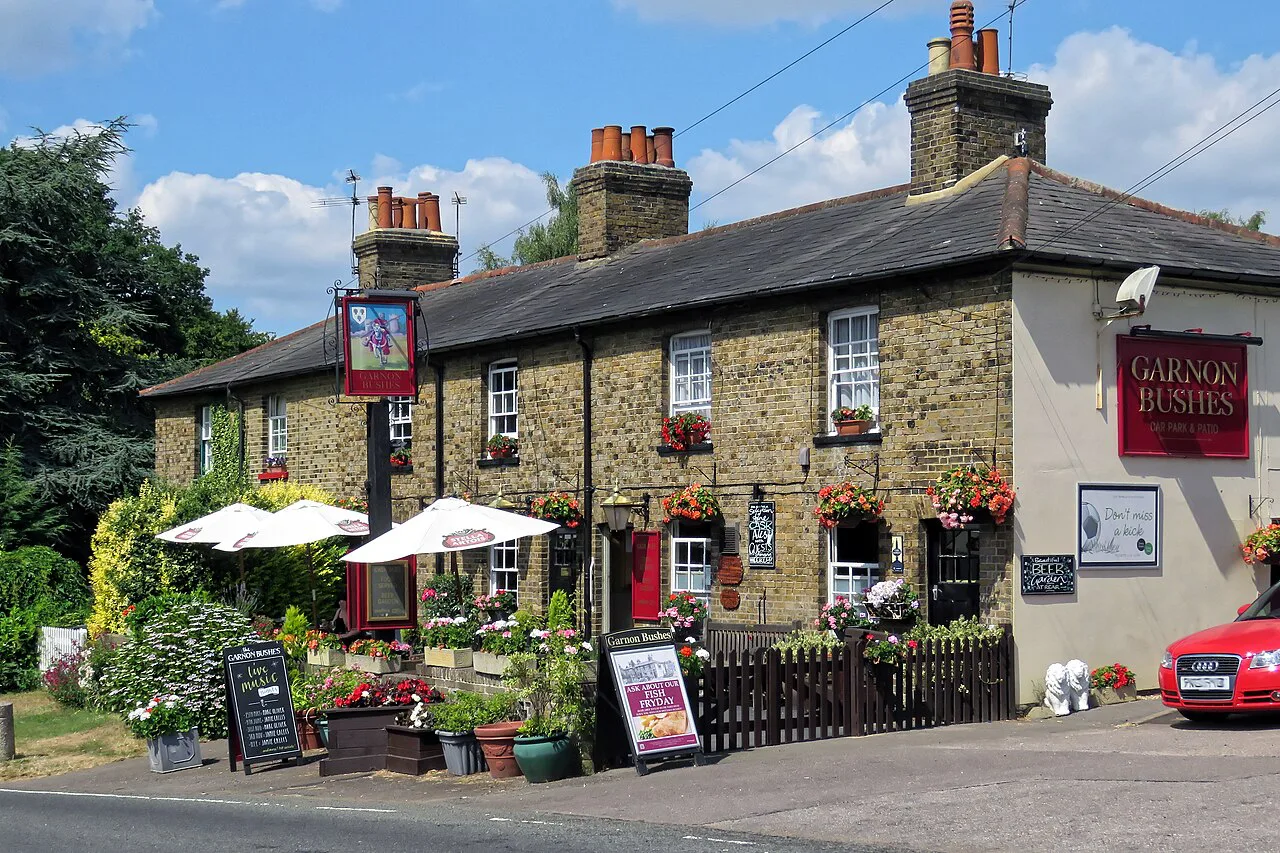
A round means one person buys drinks for the whole group, and the obligation passes around until everyone has paid once. It is not compulsory, and you can opt out politely by saying you will get your own, but in a mixed group of friends the round is the default. The practical cost is that you spend more on your turn and less across the evening, so a round suits a group of similar appetites and similar budgets.
Tipping is modest by international standards. In a pub where you order at the bar, there is no expectation of a percentage; saying keep the change on a note is generous and sufficient. Where food is brought to your table, a small amount or rounding up is normal, and a service charge, if any, will be printed on the menu. Tipping is not the place to demonstrate wealth, and overtipping at the bar can be more awkward than welcome.
Other small rules save friction: do not click your fingers or shout for service, do not stand at the bar blocking it once served, and return glasses to the bar or the collection point when you leave. If someone buys you a drink, buy one back before the evening ends rather than promising to. These conventions are unwritten but closely observed, and getting them right makes you a welcome regular rather than a puzzle.
Reading a pub: lounge, public bar, beer garden, snug and what each is for
Older pubs often have two or more rooms, and the names still carry meaning. The public bar is the plainer, sometimes cheaper side, historically favoured for standing, darts and sport on the television. The lounge is the softer room with carpets, upholstery and often the food service, and it is where families and quieter groups tend to settle.
A snug is a small private-feeling room, sometimes with its own hatch to the bar, and it is the best seat in the house when you can get it. Beer gardens and yards are for fine weather and usually mean bench tables, children, dogs and smokers; a garden can be the difference between a pleasant hour and a cramped one on a sunny Sunday. Ask whether the garden has a covered or heated area, because British weather rarely cooperates for a whole afternoon.
Seating choice is a real decision rather than a detail. If you want to talk, avoid the room with the big screen; if you want food with children, ask for the lounge or a table away from the bar; if you want a quiet pint alone, the snug or a corner of the public bar beats a table in the middle of the floor.
What to drink: real ale and cask versus keg, bitter, stout, lager, cider and soft options
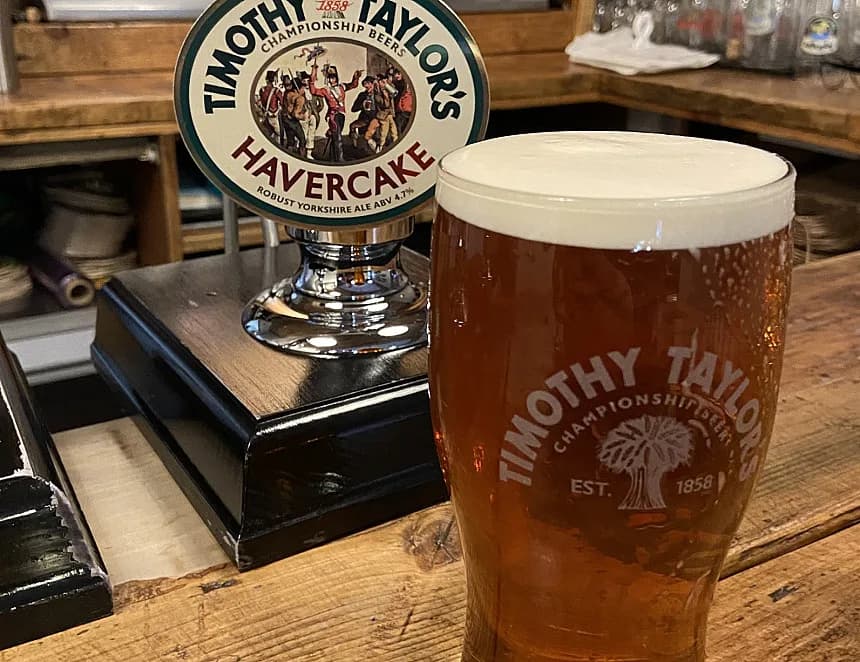
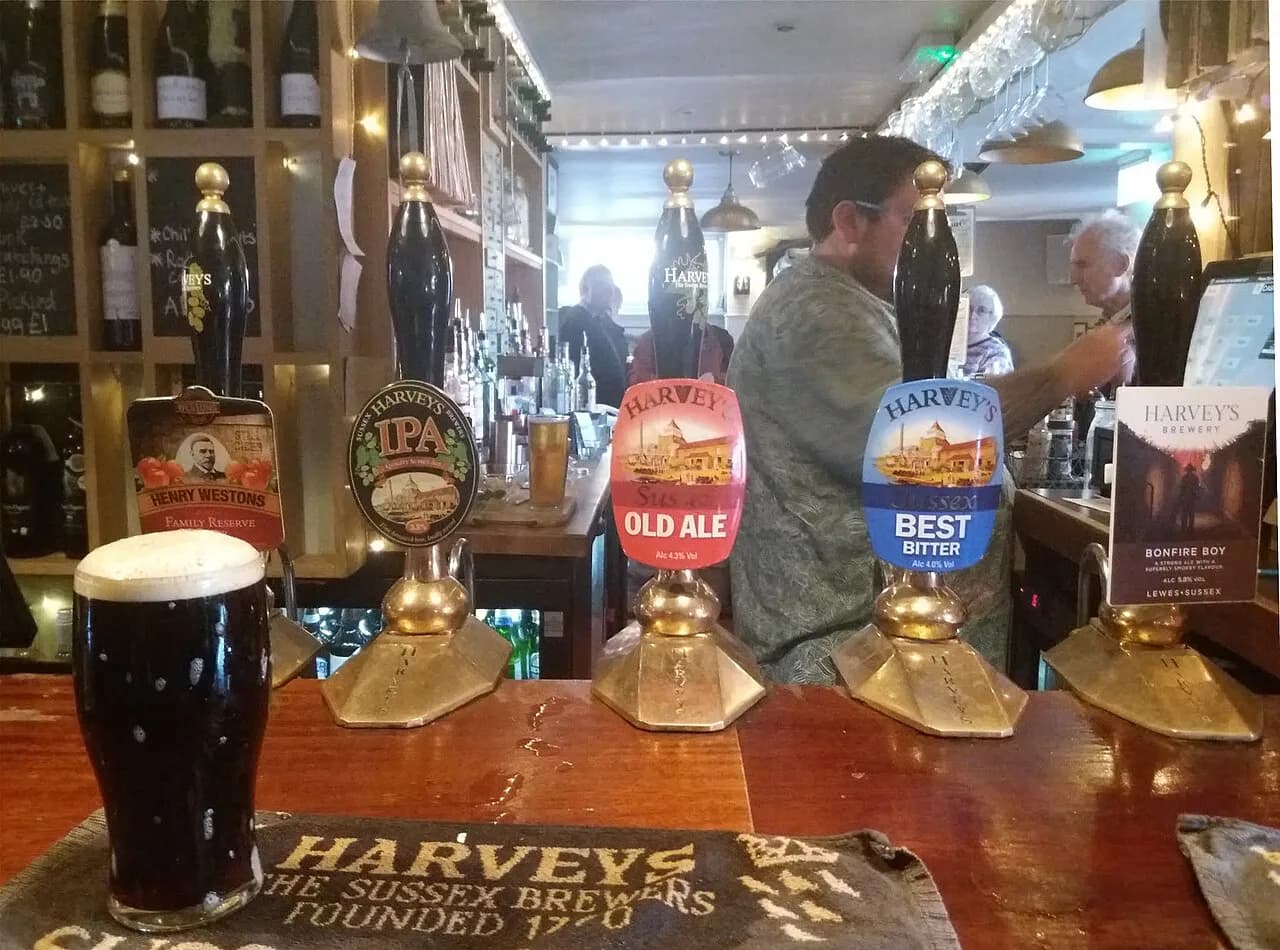
The key distinction at the pumps is between cask and keg. Cask ale, also called real ale, is live beer that finishes maturing in the cask behind the bar and is served by hand pump or gravity; it is cool rather than icy, lower in fizz and best drunk soon after it settles. Keg beer is filtered or pasteurised, pushed by gas and served cold and carbonated, and most lager and many modern pale ales arrive that way.
Bitter is the traditional English session beer: amber to brown, moderate strength, low fizz and easy to drink in quantity. Stout is dark, roasty and often creamy, with Guinness the best-known example and a different drink from a dark mild or a porter. Lager is the cold, crisp, carbonated option and covers everything from mainstream brands to craft pilsners, so ask which is on draught if you care about the difference; the wider family of styles is unpicked in this guide to British beer.
Cider is a serious drink in the west of England and comes sweet, medium or dry, still or sparkling, and from about four to well over seven per cent alcohol; a pint of strong dry cider is not a soft drink. Soft options have improved and usually include a decent lemonade, a cordial and alcohol-free beer, but a pub that only offers cola is telling you something about its ambitions.
How to order a pint and ask for a taste without feeling awkward
Ask for a pint of the beer by name, or say you would like a pint of bitter and let the staff guide you to what is on. If you want a smaller measure, ask for a half, which is a perfectly normal order and the sensible way to try two beers in one visit. Do not ask for a pint of an unfamiliar cask beer without checking it is ready to serve; a fresh cask may still be settling.
Asking for a taste is completely normal and takes one sentence: could I try that one first? Staff would rather pour a small sample than pour a pint you will not drink, and the same applies to cider. If a cask beer tastes tired or vinegary, say so politely at the bar; a good pub will change the line rather than argue, and if you are buying a round, taste before you commit to several pints.
Pub food: Sunday lunch, pies, fish and chips, ploughman's, starters and puds
Pub food splits into two modes: the everyday menu of sandwiches, pies, fish and chips and burgers, and the Sunday lunch, which is a roast with potatoes, vegetables, Yorkshire pudding and gravy, usually priced by the main and often offered in two sizes. Sunday lunch is the one meal worth booking ahead, because the best pubs serve it in sittings and run out of the roast.
A pie in a pub should have a proper crust and a filling, not a stew with a pastry lid, and it usually comes with chips or mash and peas; fish and chips should be judged by the batter and the chips rather than the size of the fish. A ploughman's is a cold plate of cheese, pickle, pickled onion, apple and bread, and it is a good light lunch when you want to keep drinking rather than sleep.
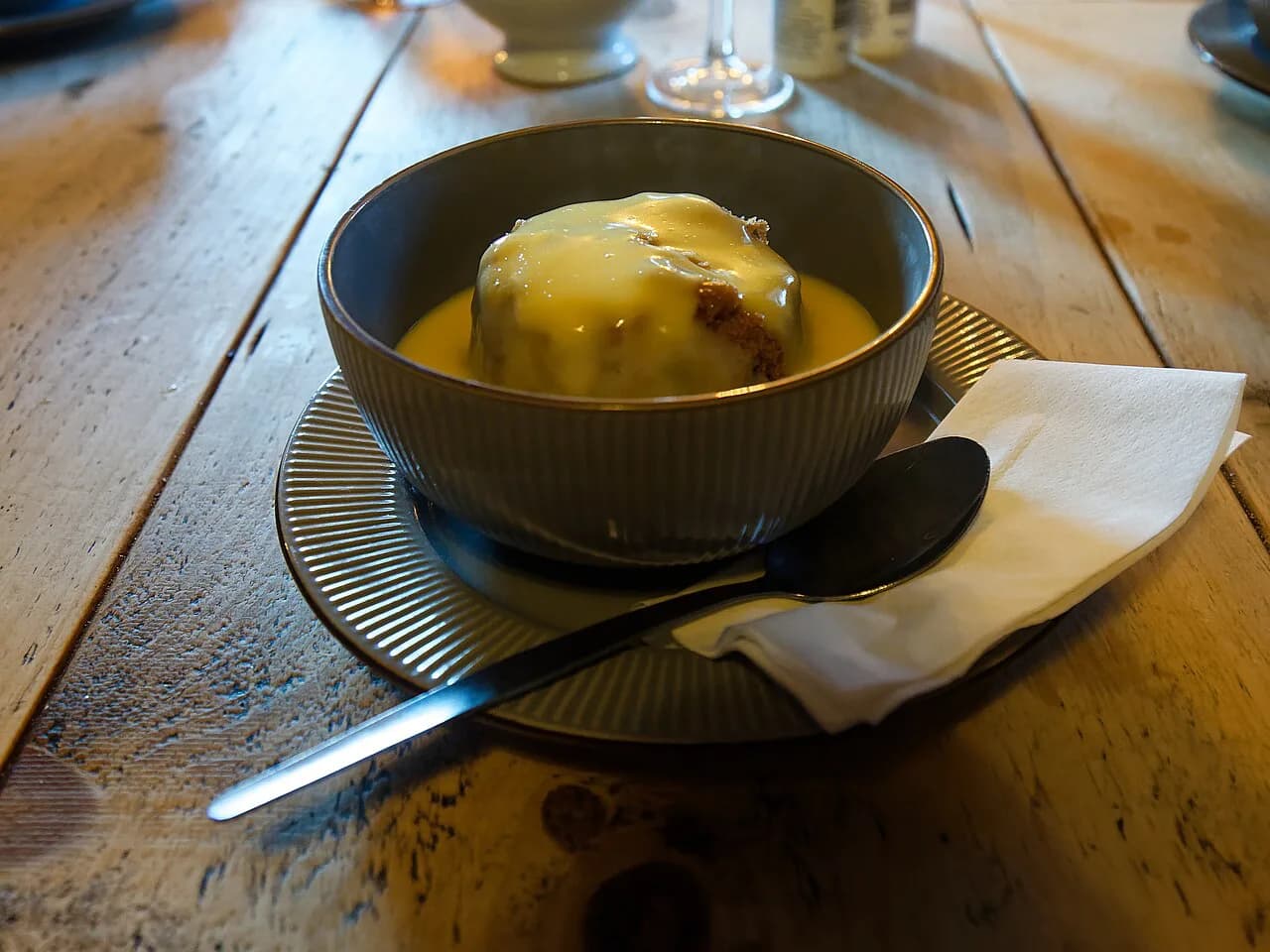
Ordering well is a matter of matching the dish to the pub. A short menu that changes with the season is often a better sign than a long printed list covering curry, lasagne and everything between, which can suggest a lot of reheating and rarely represents the best value. Starters are often large enough to share, and a pudding such as sticky toffee pudding, crumble or a cheese board is where a good pub kitchen shows its hand; the wider canon sits alongside this guide to traditional British food.
Pub times: kitchen hours, Sunday lunch booking and the quiet afternoon gap
Pubs stay open longer than their kitchens, and the gap between lunch and dinner is the classic trap: the door is open, the beer is flowing, but the kitchen is closed until the evening. A pub can look busy and serving when it is only drinking, so check the kitchen times on the board or the website before you build a meal around one. Sunday lunch is the most reliable sitting, followed by a short gap, then a second service if the pub does evening food at all.
Booking matters most for Sunday lunch, for small pubs with few tables and for groups of six or more, and it costs nothing to ring ahead on the day for a table. Booking is less important for a midweek lunch or a drink-only visit, and some of the best pubs do not take bookings at all, which means arriving early or being flexible. The verification is simple: the pub's own website or a phone call tells you its current kitchen hours, and that is the only source worth trusting for times.
Children, dogs and accessibility: what to check before you turn up
Children are welcome in most pubs during the day, but rules vary: some restrict them to certain rooms, many set a cut-off in the evening, and licensing conditions can bar under-18s after a stated hour. Dogs are usually welcome in the bar and garden but not in the dining room, and water bowls are more common than a formal dog menu. Accessibility is equally variable: an old building may have steps at the door and no accessible loo, so ring ahead if that matters.
The reliable approach is to ask three questions when you book: are children allowed in the room we would sit in, are dogs allowed where we would eat, and is there step-free access to the bar and a toilet. Do not assume a big garden means a family-friendly policy indoors. Pubs with rooms have their own rules on children and dogs, and the booking listing is the place to check rather than a guess from the photos.
Where a pub advertises rooms, expect the stay to be priced per night and to vary by season, room and day, so the figure shown at the time of booking is the one that counts. Sawday's keeps a personally inspected collection of pubs with rooms, listed with room counts and a starting nightly rate, which is a reasonable way to compare before you ring the pub itself.
Prices and what a pub trip costs, and when to book
Pub prices vary by region, by the strength of the beer and by whether the pub is a food-led place in a tourist centre or a local in a small town, so there is no single national figure to quote. Drinks are priced per pint or half at the bar, food per dish on the menu, and many pubs print the price of a round measure rather than a pint, so check the board before ordering. The cheapest way to eat well is usually the lunch menu or the smaller Sunday plate rather than the evening à la carte.
Budget for the round rather than the drink: a group of four drinking pints will spend far more across an evening than a couple, and food pushes it up again. Book ahead for Sunday lunch, for a small dining room and for any group over about six, and skip booking for a drink or a midweek sandwich. Where a pub has rooms, compare the quoted nightly rate on the pub's own site or a listings page before committing.
How to tell a good pub from a tourist trap
The signals are mostly visual and immediate. A long, laminated menu covering several cuisines, a location right on the main tourist drag with photographs of the food, and staff outside hustling custom can all point to a pub optimised for passing trade rather than repeat visits. The better signs are a short menu, a chalkboard of what is on, a handful of hand pumps with clips turned round and a room with people who look like locals.
Look at the beer, the welcome and the seating. Cask lines that are clearly active and named, staff who will offer a taste and tell you what is fresh, and a mixed crowd of ages are all good signs. Empty hand pumps at the start of an evening, a menu with no prices on the board, or a queue of staff ignoring the bar are reasons to walk one street further. The best pub in a tourist town is often the one a few minutes away from the main square.
History matters less than upkeep, so treat a claim to be the oldest pub in England as curiosity rather than a quality mark. Old buildings are charming but can mean cramped rooms, low beams and no lift, and age says nothing about how the beer is kept.
Which pub should you walk into tonight?
Pick by what you want from the hour: a quick pint and a sandwich means a local with an active hand pump and a short menu, while a family Sunday means booking a lounge table in advance and confirming the roast and the children's policy. If you are staying overnight, compare room rates on the pub's own site or a listings page before you ring, and ask about dogs, children and step-free access at the same time.
Once inside, order at the bar, take the taste if you are unsure, join the round if you are with friends, and keep the change if the service was good. If the menu is long, the pumps are empty and the room is full of cameras, walk on; if the beer is fresh and the welcome is easy, stay for a second. In Northern Ireland, the best pubs in Derry cluster around Waterloo Street, a short walk from the Guildhall.
Explore more United Kingdom guides
Frequently Asked Questions
What are pubs called in the UK?
Pub is short for public house, and it is the everyday word across the UK. You will also see inn, which usually means a pub with rooms, Tavern in older names, and bar or lounge for particular rooms inside a pub. A pub restaurant or gastropub signals that food leads the offer.
What are some traditional British pub meals?
The core pub dishes are Sunday lunch, a roast with potatoes, vegetables and Yorkshire pudding, pies with chips or mash, fish and chips, and a ploughman's of cheese, pickle, apple and bread. Burgers, sandwiches and puddings such as sticky toffee pudding fill out the everyday menu.
How many pubs are there in the UK?
The total shifts as pubs open and close, and the count depends on whether the definition includes pubs with rooms and food-led pubs. There is no figure worth quoting without a current industry or licensing source, so check the latest numbers from a trade body or the relevant licensing authority before repeating one.
How do you order and pay in a British pub?
Go to the bar, wait your turn and ask for your drinks by name, then pay or ask for the drinks to be put on a tab. Food is often ordered and paid for at the bar too, but in food-led pubs staff may take your order at the table, so ask if it is not clear.
Sources
Notes on eating out in the UK
Optional updates when our city guides change.
You might also like
Continue reading
More guides you'll find useful