Pub Etiquette in the UK: Bar, Rounds and Tipping Rules
A candid guide to pub etiquette in the UK: how to order at a busy bar, how rounds and tipping work, table bookings, samples and when to take your empties back.
On this page
The single rule that covers most pub etiquette in the UK is to read the room before you do anything. A hushed village local and a packed town-centre pub on a Friday run on completely different energy, and the same behaviour that is warmly received in one will flatten the other. This guide walks through the practical bits: ordering at the bar, buying rounds, paying, tipping, table bookings, samples, snacks and empties.
None of it is law, and nobody will hand you a rulebook at the door. What matters is noticing how the room is behaving and matching it, whether that means joining a loud post-work crowd or keeping your voice down next to two people reading the paper.
Reading the room before you act
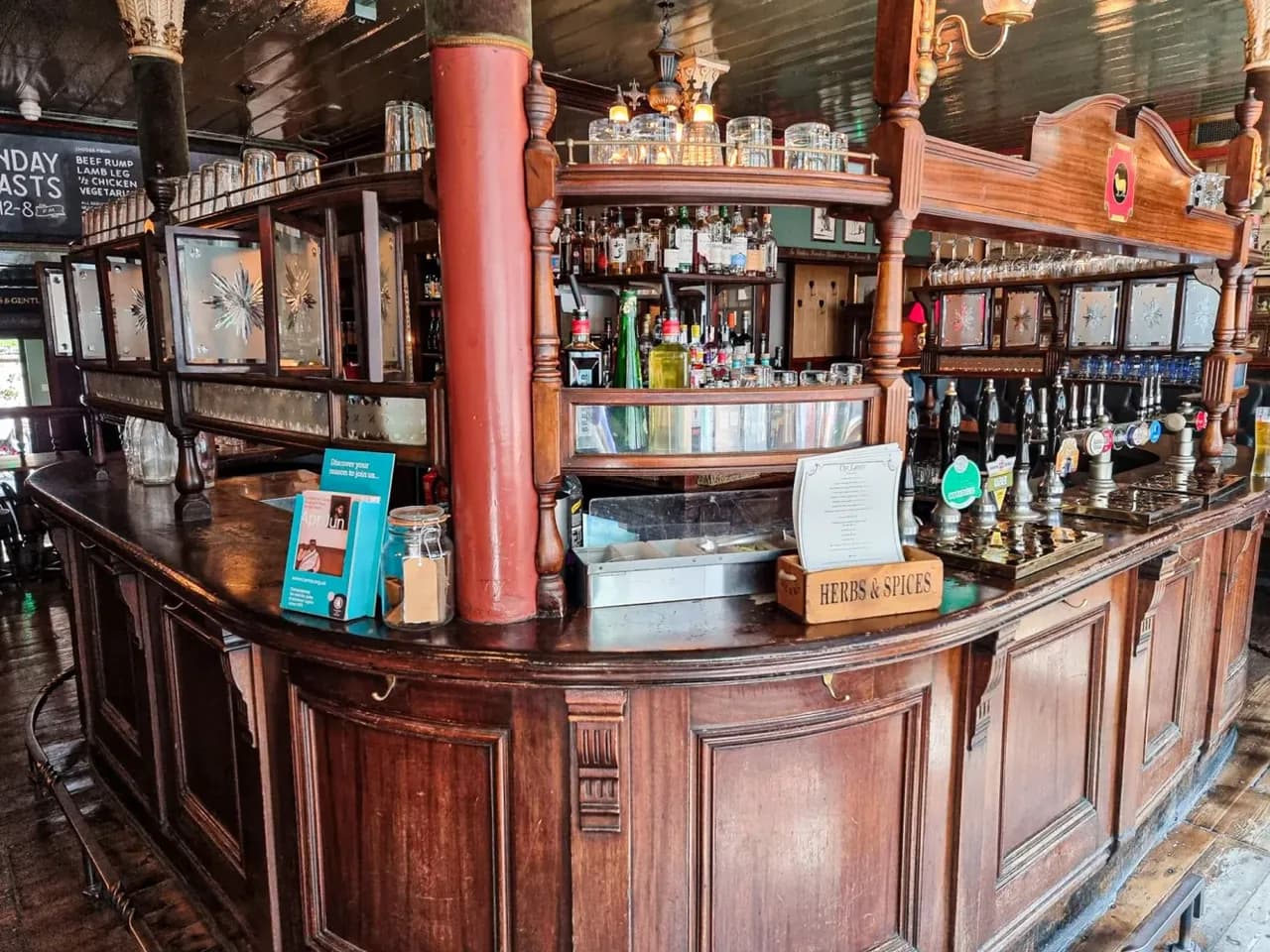
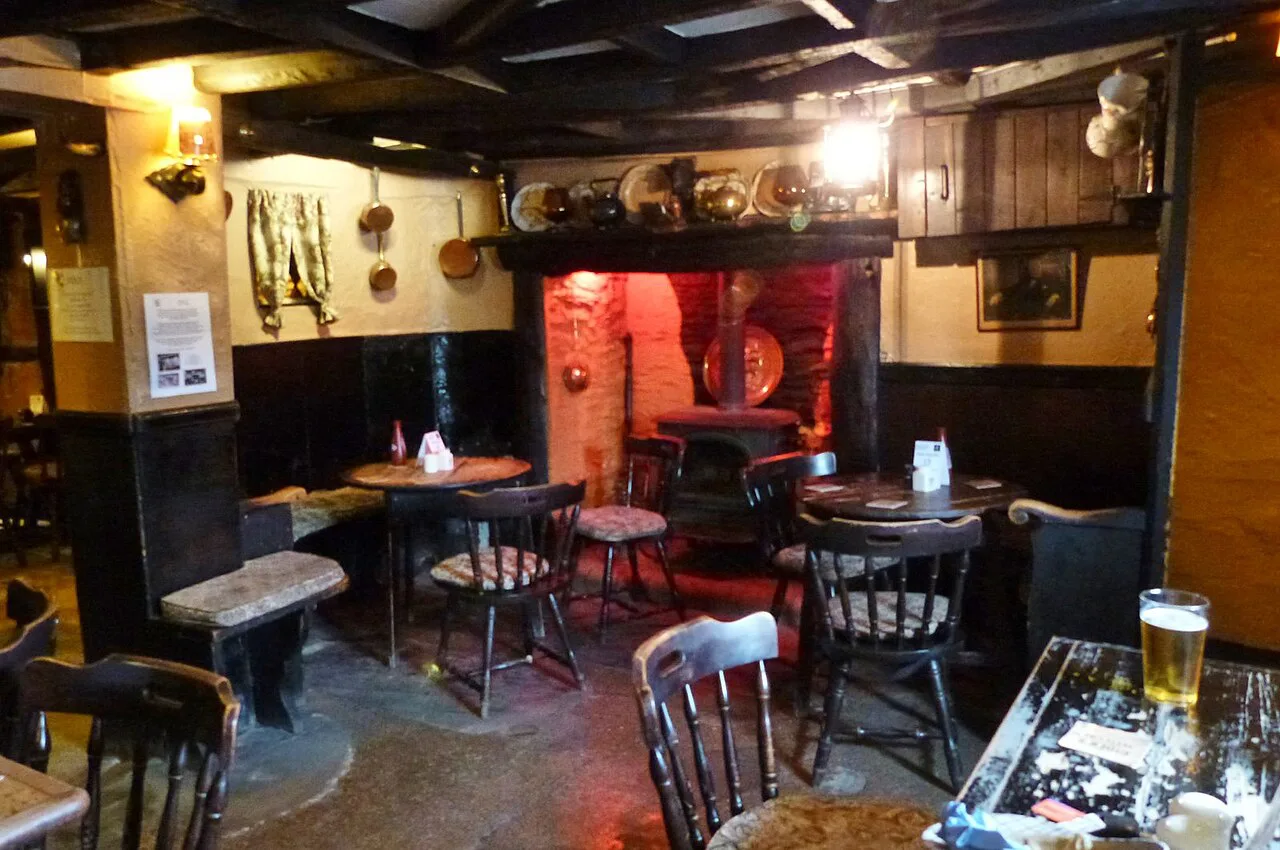
Pub etiquette is mostly atmosphere management. If other drinkers are sitting quietly in small groups, Don't crash in with a raucous game of pool or a phone call on speaker; if you're in a busy town-centre pub after work on a Friday, Don't tut at the loud table next to you. Pubs come in an extraordinary range, from sleepy rural retreats to grand palaces of carved wood and stained glass, and each one expects you to adjust to it rather than the other way round.
That range is also why fixed rules fail. A quiet pub rewards a low voice and a slow pint; a busy one rewards decisiveness at the bar and a bit of patience with other people's elbows. The judgement call is yours, and getting it roughly right matters far more than getting it perfect.
Ordering at the bar: no formal queue, but a loose one
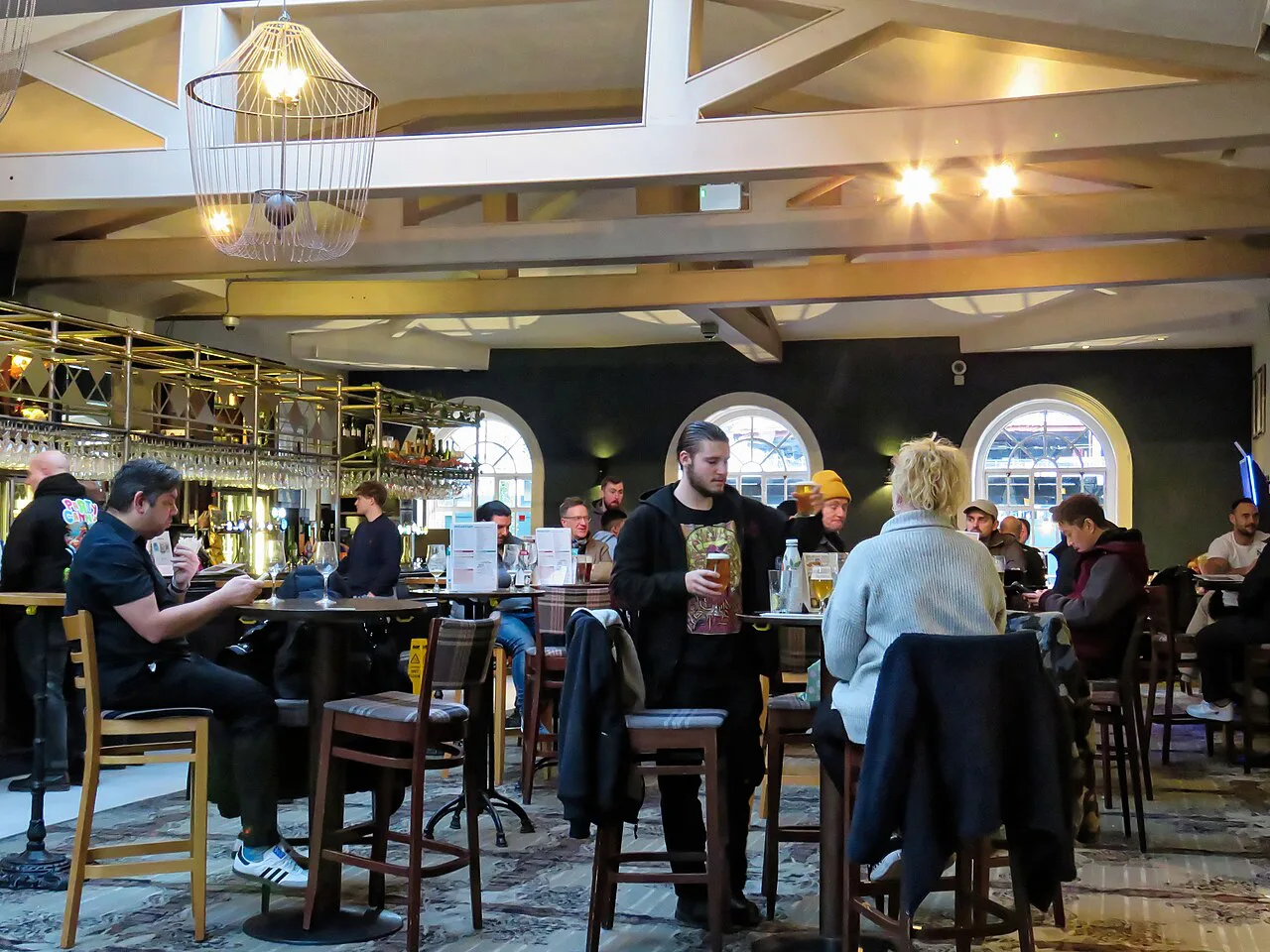
You order and pay at the bar, not from your table. In a crowded pub it looks like a scrum, but a loose order is usually in place: regulars have a fair idea who arrived before them, and a good bartender tracks the same thing. Catch the eye when it's your turn, and if you're waved forward ahead of someone who was clearly there first, say so and let them go.
The common visitor mistake is treating this as either a free-for-all or a rigid line, so you either barge in or hover so politely that you're never served. Stand where you can be seen, keep your order ready, and Don't wave money or click your fingers.
Ordering well: slow pours first and how to ask for a taste
If you're ordering a stout or another drink that takes time to pour, ask for it first. The head settles while the rest of the round is lined up, which saves you standing there watching a pint do nothing.
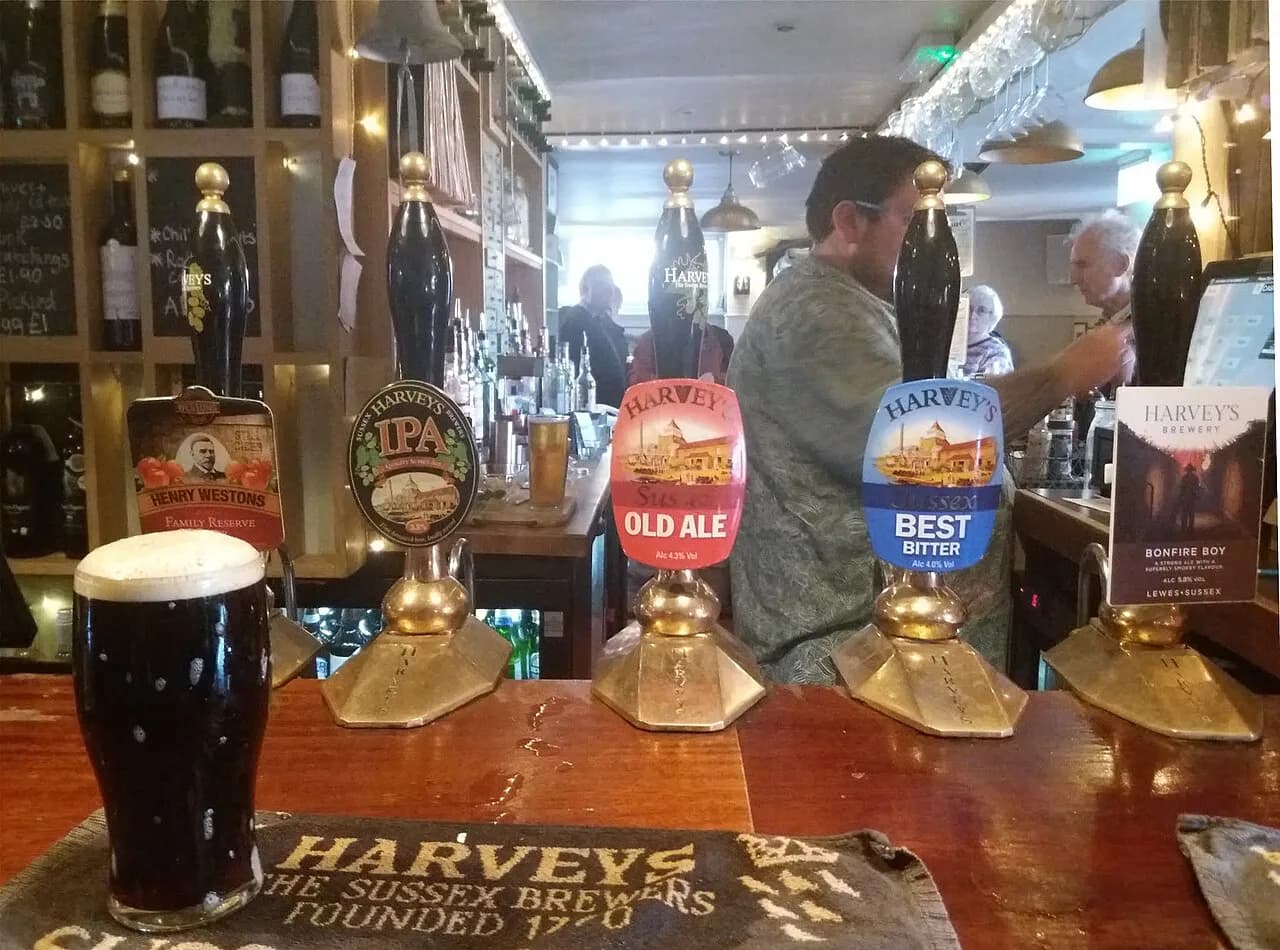
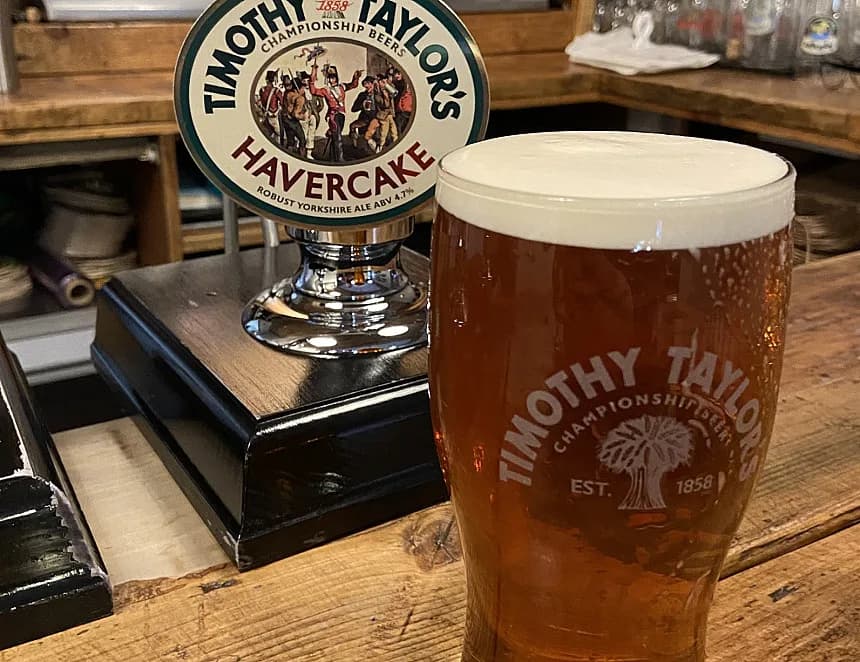
Draught taps can be baffling, especially if you're used to a short, familiar list. It is perfectly acceptable to ask the bartender for advice and to request a small sample of a beer before committing. Ask for one or two, not a tasting flight, and treat the offer as a courtesy rather than a free bar; if you want to understand what you're choosing between, our guide to cask ale explains the styles.
Rounds: whose turn, how much, and leaving early
If you're drinking with a group, it is normal to take turns buying a round for everyone. Don't hang back, Don't vanish to the loo when it's your turn, and Don't order something unusually expensive on someone else's round; the aim is to keep spending broadly level across the evening. Stand up and call your round when glasses are getting low rather than empty, so nobody sits dry.
If you're leaving before the others, get your round in earlier rather than slipping out owing one. Non-drinkers joining a round-buying group should expect to spend more on their friends' drinks than their own, which is the trade-off for the company. Over a night or two it tends to even out, so Don't police the pennies.
Paying and tabs: pay as you go, tip by offer
In most pubs you pay when you order. Tabs are generally offered where you're also eating, so Don't assume you can run one at a busy bar on a Saturday night.
Tipping is not expected in the British pub the way it is in a restaurant. If service has been genuinely good, the convention is to say "and have one for yourself" as you pay; the bartender may take the money or have a drink on you, and that's their call. Do it once, probably at the end, not after every round.
Table bookings and seating: useful, or against the spirit
Booking a table is now common in pubs, and for food or a group it is genuinely sensible. For a pint-only visit it cuts against the point: you take a seat through timing, a bit of nerve and good manners, not by claiming one in advance. Stand with your drink and enjoy the room while you watch for a leaving group.
When a table frees up, move with bags and coats and a balance of confidence and courtesy. Don't shove, Don't barge, and Don't spread a group's coats over three tables you aren't using.
Snacks, empties and the small stuff
A packet of crisps or something small with each round is part of the rhythm rather than an admission of hunger, and it keeps a long session on an even keel. When you finish, take your empties back to the bar instead of leaving a Fort on the table, and Don't stuff rubbish into your glass.
Vaping indoors is out. Phones should be quiet, and no shushing, no cheering when someone drops a glass, and no photographing or filming staff without their consent. None of this is obscure, but all of it is noticed.
Children, dogs and groups: check pub by pub
Pubs set their own policies on children and dogs, so there's no single national answer to give you. Some welcome well-behaved dogs everywhere, some in the bar but not the dining room, some not at all; children's rules vary by room and by time of evening. Ring ahead or look at the pub's own website before you turn up with a pram, a toddler and a Labrador.
For a group, book if you're eating and keep the order simple once you're at the bar. If you want to build a proper understanding of what you're drinking, our British Pubs guide covers the styles you'll see on the pumps.
Mistakes visitors make most often
Three things catch people out. Don't order cocktails at a busy bar, Don't expect table service, and Don't hold a loud phone call in a quiet room. Add filming staff without asking and you've covered most of the friction points in one evening.
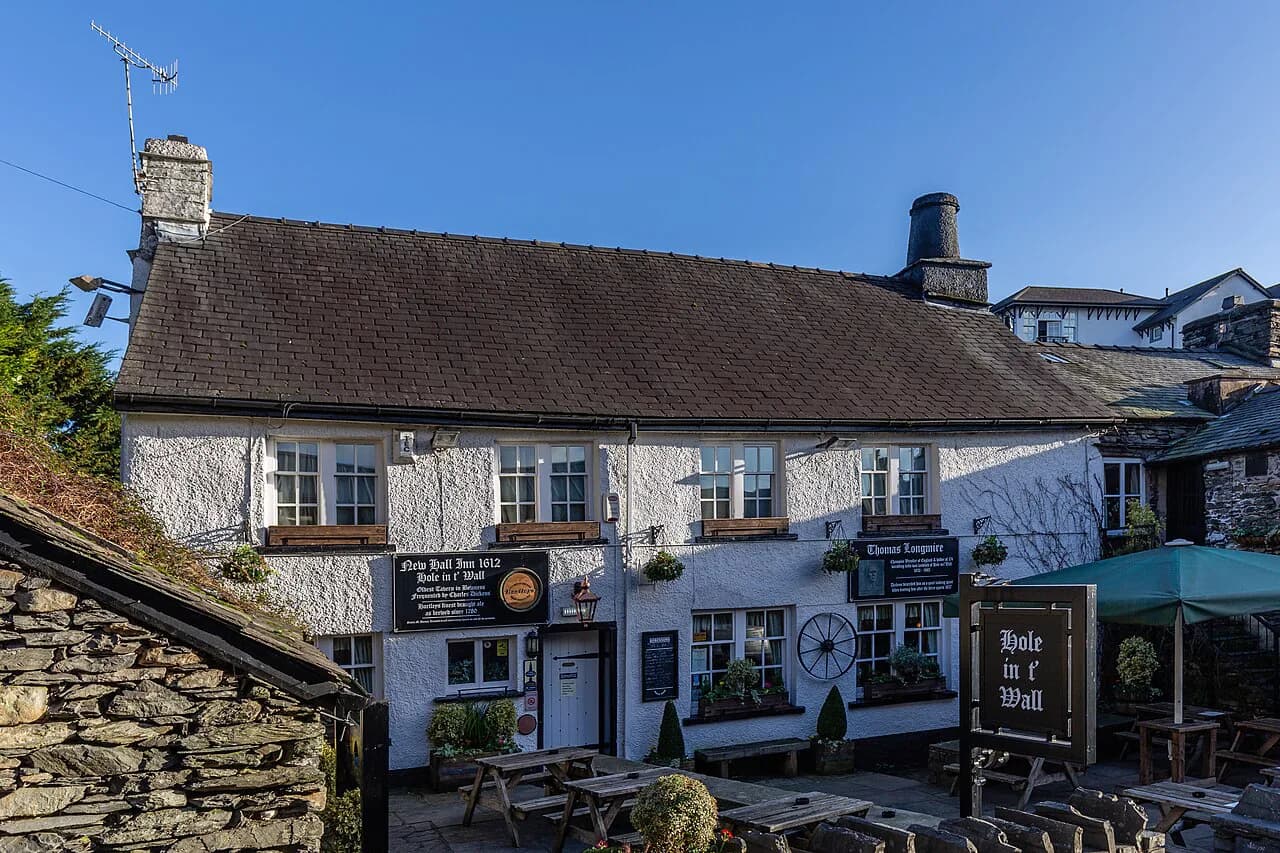
If you want to see how far the tradition stretches back, the oldest pub in England makes a good anchor for a day out; the etiquette, though, is the same in a fifteenth-century inn as in a modern micropub.
How to handle your first round
If you remember one thing, make it the round: get your turn in early if you're leaving early, order slow pours first, and keep your spending roughly level with everyone else's. Add a packet of crisps, take your glass back, and tip only if the service earned it.
Before a food-led visit or a group night, check the pub's own website for table bookings and any rules on children and dogs. Then read the room on arrival and let the evening take its course.
Explore more United Kingdom guides
Frequently Asked Questions
Do you tip at a British bar?
Not in the way you tip in a restaurant. If the service has been genuinely good, the convention is to say "and have one for yourself" when you pay, usually once at the end rather than after every round. The bartender decides whether to keep the money or have a drink on you.
Do I need to book a table at a pub?
For food or a group, booking is sensible and many pubs now take bookings. For a pint-only visit it works against the spirit of the place: most people stand with their drink and take a table when one frees up. Check the pub's own website if you're planning to eat.
Can I ask for a taste of a draught beer?
Yes. Asking the bartender for a small sample is normal and a good way to choose between unfamiliar taps. Keep it to one or two beers rather than turning it into a tasting session, and ask for advice if the range is baffling.
Are children and dogs allowed in pubs?
It depends on the pub. Policies on children and dogs vary by venue, by room and sometimes by time of day, so there is no single national rule. Ring ahead or check the pub's own website before arriving with a pram, a toddler or a dog.
Sources
Notes on eating out in the UK
Optional updates when our city guides change.
You might also like
Continue reading
More guides you'll find useful