English Cider: Styles, Counties and How to Order It in a Pub
English cider explained: West Country and Kentish styles, what dry, medium and sweet mean on a pump clip, and how to order a pint without regret.
On this page
English cider at its best is simply fermented apple juice, cloudy or clear, and it tastes of the orchard rather than of a recipe. The gap between that and the big-brand pint is the first thing to understand: one is an agricultural drink, the other is a manufactured one. This guide covers the styles, the cider counties, what the label really tells you, and how to order confidently at the bar.
It is written for anyone standing at a bar with a row of unfamiliar handles in front of them, or planning a weekend in Somerset or Herefordshire and wanting to drink what the county actually makes. Where you need today's details, the bar staff and the pump clip are your sources.
What English cider actually is
Real cider, as the Campaign for Real Ale puts it, should never be made by concentrating juice and diluting it back again, whether that applies to the juice or to the alcohol. In practice that means cider made from pressed apples, fermented, and sold with as little interference as possible. Anything built from concentrate and water is a different product wearing the same word.
The divide matters when you order, because a mass-market cider is engineered to be consistent, sweetish and cold, and it will taste the same in Cornwall as in Cumbria. A real cider is seasonal, variable and tied to a place and a blend of apples. If you want the drink that gave the counties their reputation, look for the words real cider, or ask the person pulling the pint.
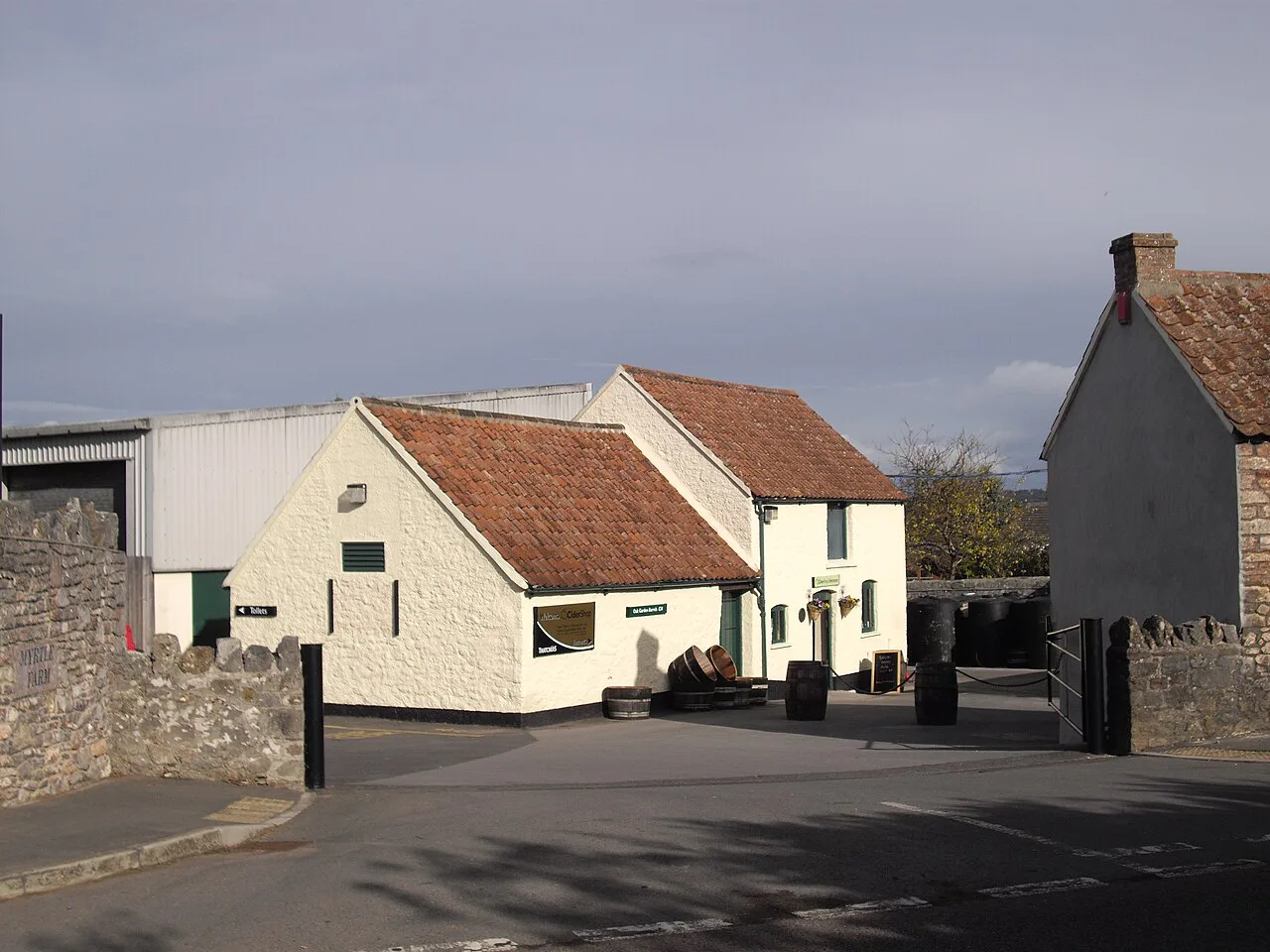
West Country, Kent and the eastern counties: what the place does to the flavour
The West Country, meaning Somerset, Devon and Herefordshire in particular, is the heartland of full-bodied, tannic cider built on bitter-sweet apple varieties. Those apples give grip, colour and a drying finish, which is why a Somerset pint can feel more like a light red wine than a soft drink. It is the style most visitors mean when they say they want proper cider.
Kent and the eastern counties work with different fruit and a different tradition, often lighter in body and sharper in the glass, with more acidity and less tannin. Neither is better; they suit different moods and different food. If a West Country pint feels too heavy, an eastern one is the obvious next try.
Apple varieties do a lot of the work, and names to look for on better labels and chalkboards include Kingston Black, Dabinett, Yarlington Mill and Foxwhelp. Treat them as signposts to a style of fruit rather than a promise of a specific flavour, since the blend and the maker decide the result.
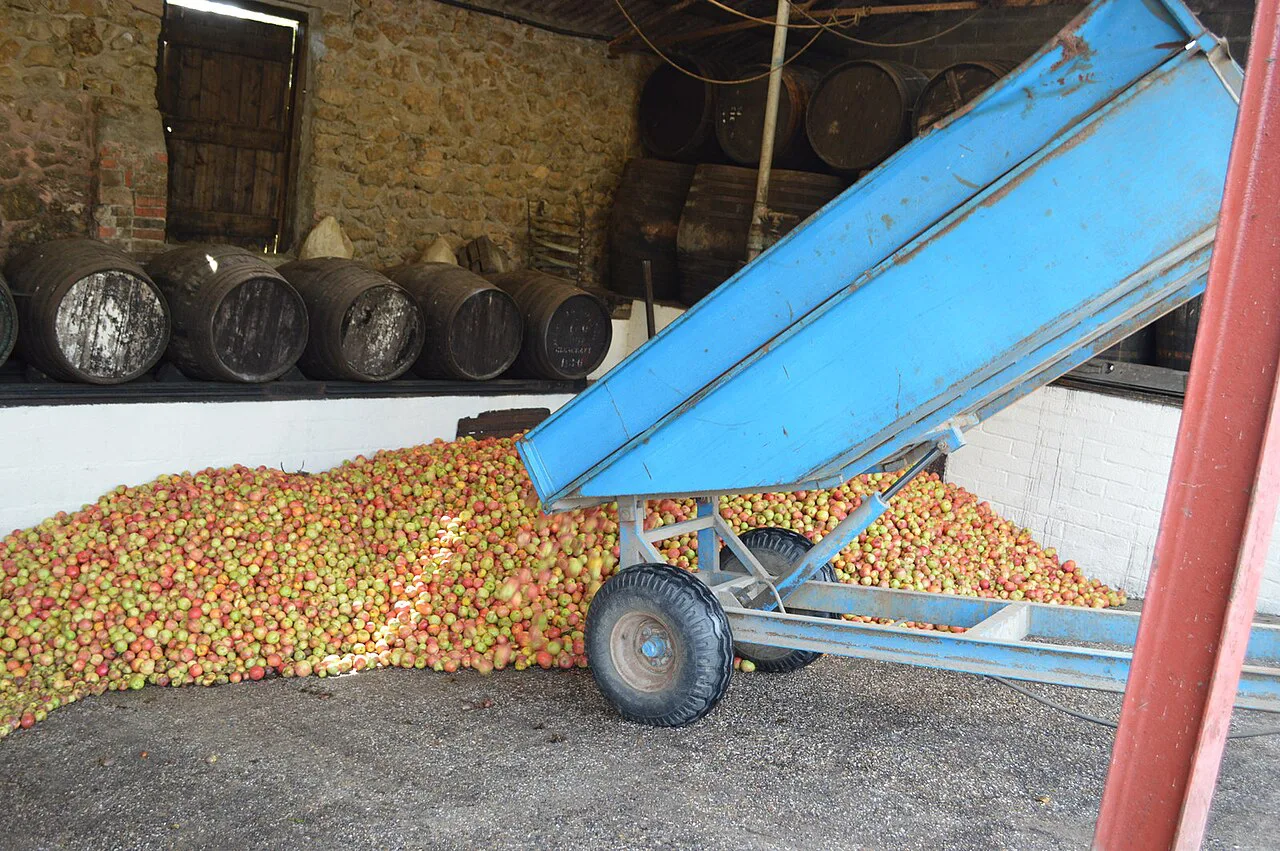
Still, sparkling and scrumpy: reading the pump clip and the bag-in-box
Cider comes still or sparkling, and in a pub the still version is usually served from a bag-in-box behind the bar rather than a pressurised tap. Still cider is flatter, softer and often more complex, and it is the one to choose if you want to taste the apples. Sparkling cider is livelier and easier to drink in quantity.
Scrumpy is a loose word, generally meaning a rough, cloudy, farmhouse-style still cider, and it is not a protected term. A pint described as scrumpy could be a beautifully made dry cider or a Fierce, half-fermented one; the only way to know is to ask for a taste.
Bag-in-box is worth understanding because it explains why some ciders come only in halves or thirds. Boxed cider does not stay fresh indefinitely once opened, so a sensible pub limits how long it keeps a box on the go. If the range looks thin, that is a freshness decision rather than a snub, and it is worth checking current opening hours before a special trip.
How to order a pint of cider in a pub
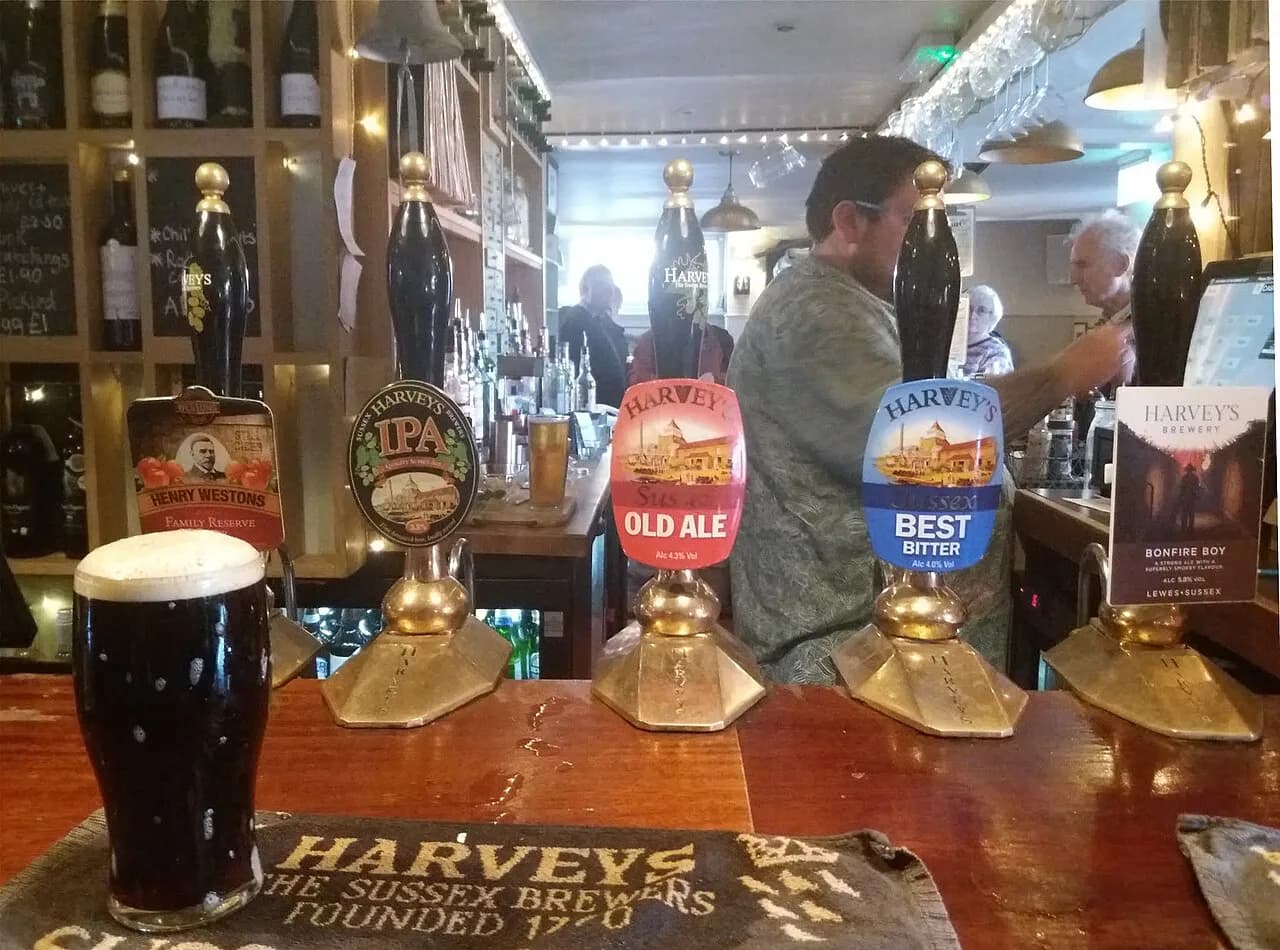
Order at the bar, ask for the cider by name or by the pump clip, and request a taste if it is one you do not know. Staff expect it, and it is far better than sending back a pint you cannot drink. If you want the local one, ask which cider comes from nearest.
Ice is the other decision. In Britain cider is increasingly served over ice, and some pubs will add it unless you say otherwise, particularly in summer. If you want the flavour undiluted, say no ice when you order rather than fishing it out afterwards. Knowing pub etiquette UK keeps the exchange at the bar straightforward rather than awkward.
On measures, cider is not always sold in the same way as beer. Do not assume a pint glass means a full pint of cider; if the pour looks short, ask politely. A decent bar will explain the measure rather than take offence.
Strength: why cider catches people out
Cider is often stronger than the lager or bitter drinkers are used to, and a still, full-bodied cider goes down faster than its strength suggests because there is less fizz to slow you down. That is the classic cider mistake: two quick pints at the end of an afternoon and the evening is gone. Pace it like wine rather than like beer.
The practical fix is to alternate. Have a half of the strong, interesting cider and a pint of something lighter, or switch to a session-strength British beer for the second round. Strength is printed on the clip or the bottle, so read it before you order a second.
Perry: the pear cousin worth ordering
Perry is made from fermented pear juice and is the drink to look for when a pub has one on, because it is far rarer than cider and often made in tiny quantities. Real perry, like real cider, should not be built from concentrate and water, and it can be delicate, floral and gently sweet. It is not the same as pear cider, a term with no fixed meaning.
If you like dry white wine or a light, aromatic beer, perry is usually the more interesting pint on the bar. Ask for a taste, since styles vary from bone dry to soft and fruity.
Cider with food: pork, cheese and the ploughman's
Cider's natural partners are the salty, fatty things of a pub menu, which is why a pork pie, a ham sandwich or a ploughman's works so well. The tannin cuts through the fat and the acidity resets your palate for the next bite, much as a dry white wine would.
Cheese is the other obvious match, particularly a sharp Cheddar or a crumbly Lancashire with chutney, and these classics of traditional British food are the ones to look for on the menu. Fish and chips also cope well with cider, since the acidity works against the batter. Sweeter ciders are harder work with savoury food, so keep those for the end.
Buying English cider to take home
Bottles are the easy option for travelling. Look for a maker's name, a place and an apple variety rather than a brand name, and check whether the bottle is pasteurised or still live, since live cider continues to change and can become lively in a warm bag.
Bag-in-box is cheaper per litre and good for a party, but once opened it needs drinking within a sensible window, so buy a size you will actually finish. If you want something to keep, sealed bottles are the safer bet than an opened box.
For the wider picture of what is poured in British pubs, and how cider sits alongside cask ale, start with the British Pubs guide before you set off.
Which cider to order first
If you only order one, make it a still, dry-to-medium real cider from the West Country and ask for a taste first. It is the pint that shows you what the fuss is about, and it tells you immediately whether you lean dry or sweet. Then try an eastern cider for contrast and a perry if the bar has one.
The rest is detail: watch the strength, say no to ice if you want the flavour, and use the staff as your guide rather than the font on the clip. One question at the bar will teach you more than any label.
Explore more United Kingdom guides
Frequently Asked Questions
What is the difference between cider and real cider?
Real cider is fermented apple juice, and it should not be made by concentrating juice and diluting it back with water. Many mass-market ciders are built from concentrate or from a base that is then sweetened and flavoured. Look for the words real cider on the pump clip or ask at the bar.
Is English cider always strong?
No, but it is often stronger than people expect, and still cider is easy to drink quickly because it has less fizz. Strength is printed on the pump clip or bottle, so check it before ordering a second pint. Lower-strength ciders exist and are worth asking for.
Should cider be served with ice?
It is a matter of taste and increasingly common in British pubs during summer. Ice dilutes the cider as it melts and numbs the flavour a little. If you want to taste the apples properly, ask for no ice when you order.
What is perry and is it the same as pear cider?
Perry is fermented pear juice, usually made in small quantities and often delicate or floral. Pear cider is a looser marketing term with no fixed meaning. If you see real perry on the bar, ask for a taste, because styles vary from dry to sweet.
Sources
Notes on eating out in the UK
Optional updates when our city guides change.
You might also like

Continue reading
More guides you'll find useful