Pub Opening Hours in the UK: What Time Do Pubs Close?
Pub closing times in the UK are set by each venue's licence, not one national rule. Here's what decides last orders, Sunday hours and drinking-up time.
On this page
There is no national closing time for pubs in the UK. Each pub's hours come from its own premises licence, granted by the local council, so a village local may shut at 23:00 while a city pub a few doors away trades to 01:00. This guide explains what shapes those hours, what last orders and drinking-up time actually mean, and how to check before you set out.
It is written for anyone planning a pint around a meal, a train or a weekend away, and it sticks to how licensing works rather than promising a particular pub will be open. Where rules differ across England, Wales, Scotland and Northern Ireland, the differences are flagged so a border-crossing trip does not catch you out.
What time do pubs have to shut in the UK? Why there is no single national closing time
England and Wales have no blanket closing hour. The sale of alcohol must happen within the times written on the premises licence, and selling outside them is an offence that can put the licence at risk. That is why you will see pubs in the same town with different closing times, and why a chain branch can differ from an independent down the road.
The practical upshot for a night out is that closing time is a property of the building, not of the country. If you are choosing between two pubs for a late pint, the one with the later licence is the one to pick, and staff will usually tell you when they call time if you ask early in the evening.
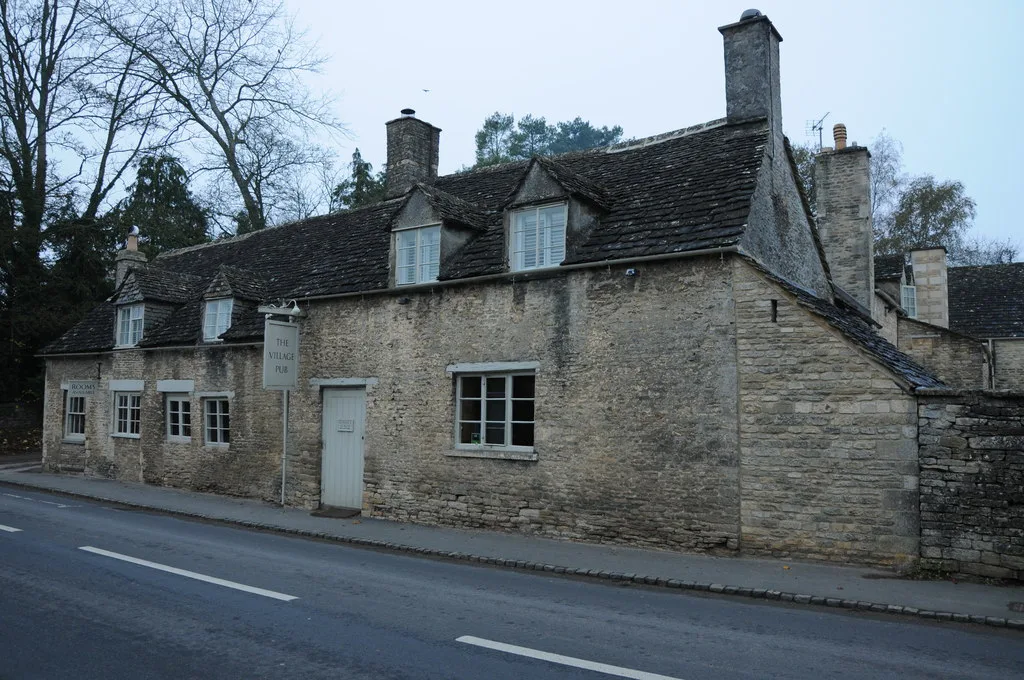
How a premises licence sets each pub's hours
A premises licence is granted by the local council and sets out the hours for alcohol sales, plus conditions such as door staff or CCTV. Every licensed premises also needs a designated premises supervisor holding a personal licence, which is the person accountable for how alcohol is sold. None of this is visible from the street, so the licence is the document that answers the question.
Conditions vary by venue type too. A food-led pub may be licensed late but choose to stop serving earlier, while a wet-led boozer may push its full licence to the minute. For background on how these places differ in character, our guide to the British pub covers the wet-led and food-led split.
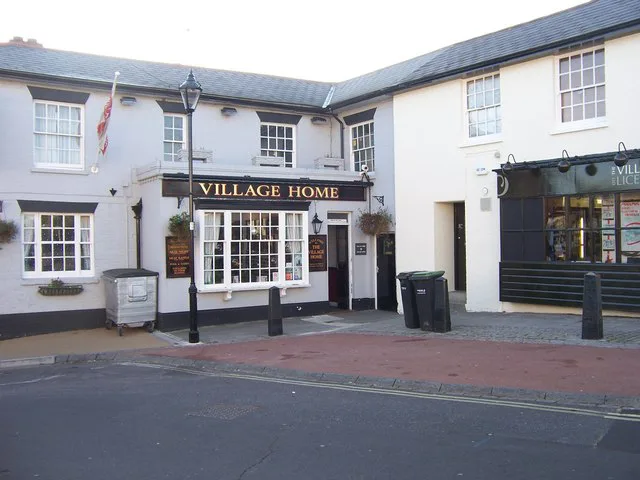
Standard patterns: lunchtime openings, evening-only pubs and kitchens that close early
Opening patterns in the UK tend to fall into a few shapes. Town-centre pubs often open through the day, village pubs may open at lunchtime, close in the afternoon and reopen in the evening, and some food-led places do not unlock until early evening. A pub that is dark at 15:30 is not necessarily shut for good.
The bigger trap is the kitchen. In many food-led pubs the chef finishes well before the bar does, so a 21:30 arrival gets a pint but no main course, and Sunday roasts frequently run out or stop earlier than weekday menus. If eating is the point of the trip, treat the kitchen's last food order as the real closing time and ring ahead to confirm it.
Last orders and drinking-up time: what the call means
"Last orders" is the warning that the bar is about to stop selling alcohol, not that you must be on the pavement. Licensed premises get a drinking-up period after the sale of alcohol ends, so you can finish the drink in your hand and leave in an orderly way. That grace period is short, and it is for finishing, not for a fresh round.
Because the licence governs sales rather than your departure, a pub licensed to sell until 23:00 will typically call last orders shortly before that and expect the room to empty soon after. If you want a final drink without being rushed, order it when you first hear the call rather than waiting for a second announcement that will not come.
Weekend and Saturday nights: later licences and arriving at the right time
Saturday night brings out the later licences, and city-centre pubs often trade to the small hours where their licence allows. The trade-off is crowds: door staff, capacity limits and one-in-one-out queues become part of the evening, and arriving after the pubs empty is the worst moment to try.
If a late finish matters, aim to be inside well before 22:00 and settle somewhere with a licence that runs late, rather than pub-hopping towards midnight and hoping. Weekend hours are also where bank holidays and one-off events can shift things, so a quick look at the pub's own channels on the day is worth more than a memory of last summer.
Sunday hours: shorter sessions and Sunday lunch timing
Sunday is the day when timing decisions pay off. Many pubs run shorter sessions than on a Saturday, and the lunch rush lands squarely in the early afternoon, so booking a table for Sunday lunch and arriving on time matters more than on a weekday. Turning up at 14:30 without a booking often means the roast is gone and the kitchen is winding down.
Shop alcohol rules on Sunday are a separate matter from pub hours: large shops over 280 square metres are limited to six consecutive hours between 10:00 and 18:00 under Sunday trading rules, which is why the supermarket alcohol aisle can be roped off in the morning. That does not tell you anything about when a pub can pour, which still comes down to its own licence.
Scotland and Northern Ireland in brief, for visitors crossing borders
Cross a border and the shop rules change, even though pub hours still follow each venue's licence. In Scotland, shops and supermarkets may sell alcohol only between 10:00 and 22:00, and multi-buy promotions are banned. In Northern Ireland, off-sales run from 11:30 to 23:00 Monday to Saturday and 12:30 to 22:00 on Sunday, with tight licensing for bars as well.
Off-licence hours are a poor guide to pub hours anywhere in the UK. If you are on a weekend break in Edinburgh, Belfast or Cardiff and plan around a late pint, look up the hours on the website or social media of the specific pub you intend to visit, since shop times tell you nothing about closing time at the bar.
Special one-off extensions: how temporary changes work
Licensing hours can be extended for a specific occasion, either nationally by order or locally through the council. The VE Day 2025 extension is a clean example: pubs and bars in England and Wales already licensed to sell alcohol on the premises until at least 23:00 could sell until 01:00 on the evening of Thursday 8 May, and the order covered that evening only.
The same order did not apply to off-sales or to regulated entertainment, and it did not help a pub whose licence stopped earlier than 23:00. That is the pattern to expect with any one-off extension: it is narrow, dated and conditional, so read the terms of the order itself to see which premises it covers.
Who can drink, and how to check a pub's hours before you travel
Age rules are separate from opening hours but worth knowing before a family meal. Under-18s cannot buy alcohol, and 16- and 17-year-olds may drink beer, wine or cider with a meal if accompanied by an adult, though not buy it. Whether younger children are allowed in at all depends on the individual premises, so ask when booking.
To check a specific pub, start with its own website or social media for the week you are travelling, then ring if the timing is tight, especially for food. Bank holidays are the classic exception, with shorter hours or closures that are not always updated online, and last orders can be called earlier than usual. Two habits cover most of it: book the meal, and confirm the closing time by phone.
Is a late pint worth planning around?
Yes, if you treat the licence as the deciding fact rather than the town. Pick the pub whose hours fit your evening, eat before the kitchen closes, and order your final drink at last orders instead of after it. That is the whole game: fewer surprises, no wasted walk to a dark window.
For the wider context on what to order once you are in, from real ale to a proper Sunday lunch, the rest of the British Pubs guide covers it. Then check the individual pub's hours for your date and get on with the evening.
Explore more United Kingdom guides
Sources
Notes on eating out in the UK
Optional updates when our city guides change.
You might also like
Continue reading
More guides you'll find useful