Pub Food in Britain: What to Order and What to Skip
A candid guide to British pub food: how to read a menu, order pies, fish and chips and Sunday lunch, and know when the kitchen is worth the money.
On this page
Pub food in Britain means a short menu of solid classics served in a room built for drinking: pie and chips, fish and chips, bangers and mash, a ploughman's, and a Sunday roast if you time it right. The best pubs cook a handful of these well rather than stretching to forty dishes, and knowing the signals on a menu will save you from an expensive disappointment. This guide covers what each classic dish involves, how to judge a kitchen before you commit, and the practical business of ordering at the bar, catching the kitchen before it closes and feeding children or dogs without a row.
None of this depends on a particular town. The same dishes appear from Cornwall to the Highlands, though quality and price swing sharply between a village local, a city-centre pub and a tourist honeypot. Use the dish-by-dish sections to decide what to order, then judge the specific pub on the day: the specials board, the chips and the number of things the kitchen is attempting tell you more than any sign outside.
What pub food actually means in Britain
A British pub is, first and foremost, a place to drink, and food sits alongside that rather than replacing it. Traditional pubs serve a compact bar menu at lunchtime and early evening, while food-led pubs push the cooking harder and may run a full seated service with a booking system. The gap between a proper pub kitchen and a reheated one is usually obvious within a minute of reading the menu, so treat the first glance as your main piece of evidence.
The classic repertoire is small: pies, fish and chips, sausages and mash, a roast on Sundays, cold plates such as a ploughman's or pork pie, and a few puddings. If you are new to the format, our guide to the British Pubs covers the room, the bar and the rhythms of a session, while this page sticks to what lands on the table and how to choose it.
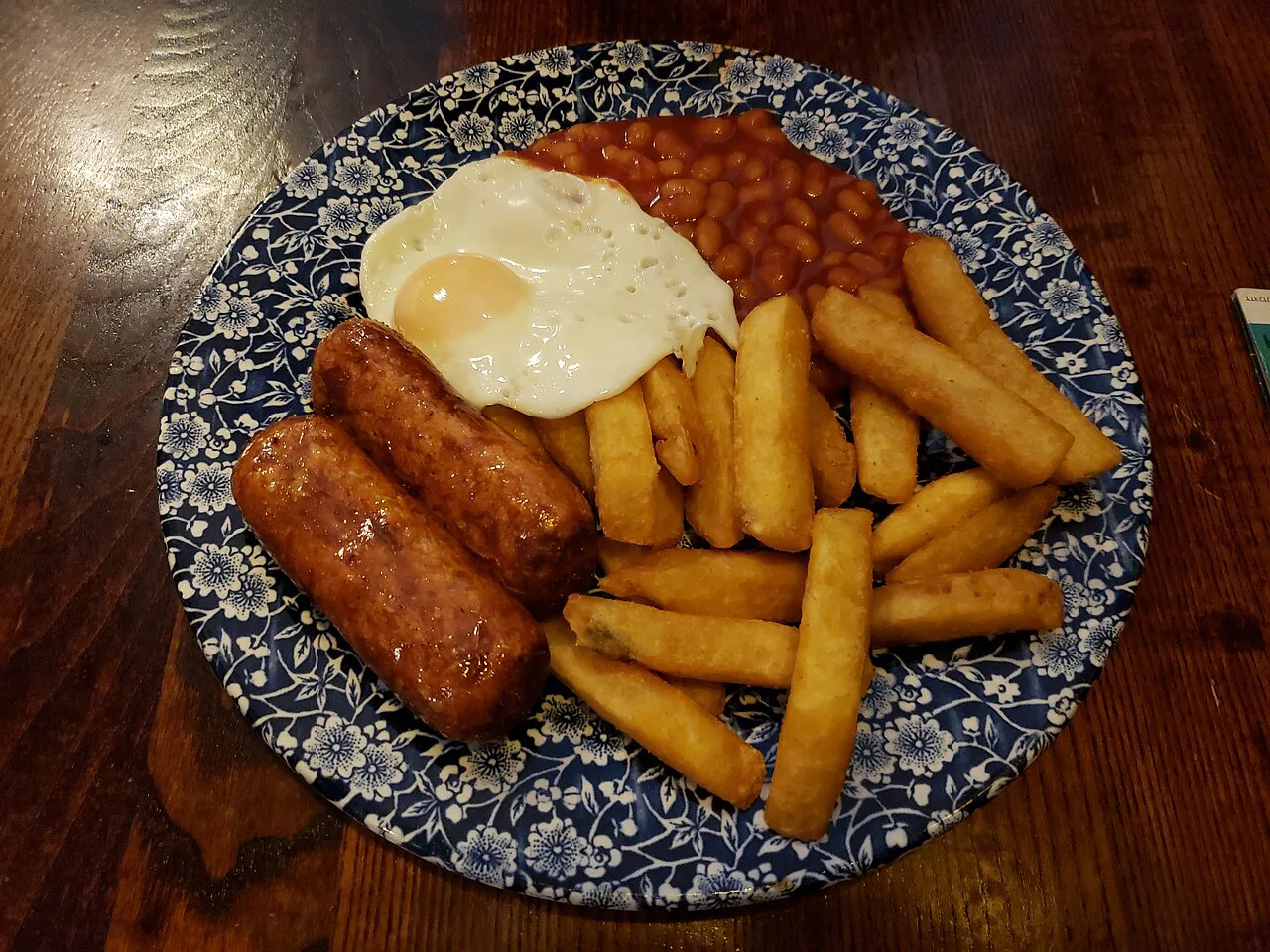
Start with the menu signals: is this a kitchen or a reheat?
Dish count is the first clue. A kitchen turning out eight or ten things well is a better bet than one offering thirty across burgers, curries, pasta and fajitas, because a long menu usually means bought-in components assembled to order. Look for a specials board that changes with the season: asparagus in late spring, game in autumn and winter, and a fish dish that names the catch rather than saying only fish of the day.
Then read the pie line and the chips. A pie described by its filling, its pastry and whether it is made in-house suggests a kitchen that cares; a generic steak pie with no detail suggests otherwise. Chips are the cheapest test of all: pale, limp and uniform usually means frozen and undercooked, while proper chips arrive crisp outside and floury within.
Pies: what to look for and the lid trade-off
A good pub pie has a hot, generous filling and pastry with some structure, not a pale shell hiding a puddle. Short-crust or hot-water-crust pastry gives you a proper sealed pie with a base that holds; a stew with a puff-pastry lid is a different dish altogether, quicker to assemble and often lighter, but it is not the same pleasure. Neither is wrong, but a menu that says pie should deliver pastry on all sides, and if it arrives as a bowl of stew with a floating lid you are entitled to feel short-changed.
Ask what comes with it. A proper pie should bring chips or mash, gravy and something green, and the gravy ought to taste of the meat rather than a granules jug. If you only want a drink with something savoury, a pork pie from the bar is the classic pub answer, sliced thick with mustard and no ceremony.
Fish and chips in a pub: Friday, batter and when to go to the chippy
Pub fish and chips succeeds or fails on the batter and the fryer. Look for a crisp, dry, golden crust that stays attached to the fish, chips cooked to order and a decent tartare sauce; ask whether the fish is haddock or cod if the menu does not say, as this is a fair question and a good kitchen will answer it. Friday remains the traditional fish day, and pubs often put haddock on the board then, so it is a sensible night to trust the fryer.
Compare the alternative honestly. A dedicated chippy usually beats a pub on fish and chips for both price and consistency, and it is built for taking away; the pub wins when you want a table, a pint and no queue at the counter. If the fryer in the pub is quiet while the chippy down the road has a queue out of the door, take the hint.
Sunday lunch: roast beef, Yorkshire puddings and the booking question
Sunday lunch is the pub meal with the most rules. The classic plate is roast beef with Yorkshire puddings, roast potatoes, vegetables and gravy, though pork with crackling, lamb and chicken are all standard. A plated roast is cooked and assembled to order; a carvery is a help-yourself counter where you queue with a plate and take what is carved, which is a different meal with different trade-offs: more choice and often more food, but less control over how long it has sat under the lamp.
Book for Sunday. It is the busiest sitting of the week, especially between noon and about two in the afternoon, and popular pubs turn people away. Ask when you book whether the roast runs until it sells out, and whether Yorkshire puddings come with every meat or only the beef, as this varies. Arrive at the end of service and you may find the beef gone and the roasties tired; arrive at the start and you get the pick of everything.
Ploughman's, pork pies and cold plates
A ploughman's is the pub lunch for when you want beer more than cooking: cheese, often cheddar, with pickle, a pork pie or ham, bread, butter and some salad or apple. Quality depends almost entirely on buying well rather than cooking, so a pub that serves a generous wedge of proper cheese, crusty bread and a decent chutney clears this low bar easily. It is also the dish least likely to be ruined by a busy kitchen, which makes it a safe order when the pub is packed and the fryer is struggling.
A cold plate of ham, egg and chips is the other dependable option, and it doubles as a light supper for one. Neither is a meal to plan a trip around, but both pair better with a pint than a burger does, and both arrive quickly when you are eating before a train.
Bangers and mash, steak and ale pudding and other rib-stickers
In cold weather the right pub order is something soft, hot and heavily gravied. Bangers and mash with onion gravy, toad in the hole, steak and kidney pudding, a suet pudding heavy with beef and ale, and Cumberland pie all fall into this category, and the quality test is the gravy and the seasoning rather than the presentation. Sausages should be coarse and well browned, mash should be buttery without being a soup, and suet pastry should be light enough to eat without regret.
The risk with these dishes is that they can be made cheaply and reheated: watery gravy, pale sausages and mash from a packet are all common in pubs that do not prioritise food. They suit a lunchtime visit better than a late evening, when a kitchen running down may be using up what it has left.
Steak, burgers and gastropub cooking: paying for the extra mile
A food-led pub, sometimes called a gastropub, cooks the same ingredients with more technique and charges for the kitchen rather than the room. Our guide to the gastropub sets out what to expect and how to spot a good one, and the short version is that a chalkboard menu, a named farm and staff who can describe the dishes are better signs than linen napkins. A properly rested steak or a burger with a decent bun and real pickle can be a fine meal; the question is whether the price reflects the cooking or the postcode.
Skip the expensive cuts in a pub that is really a drinking house with a menu bolted on. If a burger is the only item on offer that needs no skill beyond assembly, order it only if you want a burger, not because you want to eat well. Where the kitchen is serious, the extra money buys seasoning, timing and sides worth eating, which is money well spent.
Vegetarian and dietary choices on a traditional menu
Traditional pub menus are meat-heavy, and vegetarian dishes often look like an afterthought: a mushroom risotto, a veggie burger or a nut roast that cannot be swapped for the Sunday meat. Ask ahead if your needs are strict, particularly for gluten-free batter, dairy-free options or a vegan roast on Sunday, and do it by phone rather than email if you are booking for a group. A confident, specific reply is worth more than a long list of allergy symbols on the menu.
The reliable vegetarian orders are usually the sides pulled into a main: chips, salad and bread, or a cheese ploughman's where the cheese is good. Menus change with the seasons and the kitchen often updates the board before it updates the website, so a quick phone call the day before is the simplest safeguard, and most pubs would rather know than guess.
Portions, prices and pub geography
The same dish costs very different amounts depending on where the pub is. A village local with low rent can serve a generous pie for less than a city-centre pub, and a tourist honeypot pays for its footfall through the menu, so you may be paying for the postcode rather than the plate. Look at what a main includes before comparing, because chips, salad and vegetables are sometimes extras, which changes the arithmetic considerably.
As a rule, the further you get from the main visitor trail and the shorter the menu, the better value pub food becomes. If you only have one meal to spend, put it in a pub with a sign outside naming local suppliers and a specials board that matches the season, and treat a laminated multi-page menu in a prime tourist spot as a warning. If the cooking does not justify the price, a ploughman's and a well-kept pint is the better use of the money.
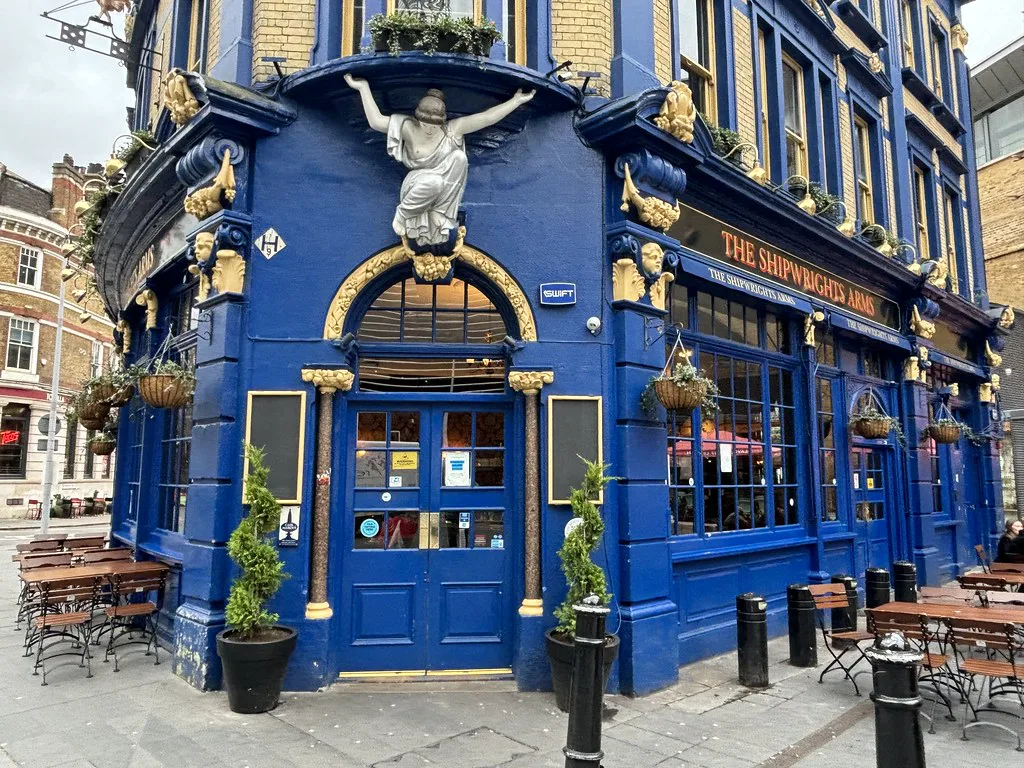
Ordering at the bar, table numbers and kitchen closing time
In most traditional pubs you order food at the bar, pay there, and are given a table number or a wooden spoon with a number on it. Check whether food is table service before you sit down, as food-led pubs increasingly run it that way. Ordering at the bar also lets you ask about the specials and the beer at the same time, so do it when you arrive rather than waiting until you are hungry.
The kitchen closes before the pub does, often considerably earlier, and last food orders may be an hour or more before the advertised kitchen closing time. Our guide to pub opening hours UK explains how licences and trading hours work in practice, and the same principle applies to the kitchen: the times that matter are the published ones, so check the pub's own website or phone rather than relying on an old listing.
Kids, dogs and timing your visit
Pubs differ sharply on children and dogs. Many welcome both at lunchtime and turn away children in the evening, typically after 9pm, while some admit no under-18s at all; dog-friendly usually means the bar and garden rather than the dining room. Check before you build a trip around a pub, particularly for a Sunday lunch, when a family group and a dog can be a tight squeeze.
Timing decides a lot. Aim for lunch between noon and 2pm for the best choice and freshly cooked food, book Sunday lunch ahead, and eat early in the evening if you want the full menu before the kitchen winds down. If you are arriving by train, ring ahead to confirm the kitchen is open at the hour you plan to eat.
Pub food words decoded
The vocabulary is small but it confuses visitors. A starter is what you eat first, a main is the main course, and pud is pudding or dessert; chips are thick-cut and floury, while fries are thin and crisp, and in a pub you generally want the chips. Mushy peas are dried marrowfat peas soaked and cooked to a soft mash, traditionally served with fish and chips, and gravy is a savoury meat sauce poured over chips or mash rather than a sweet dessert sauce.
Brown sauce is a tangy, spiced condiment from a bottle, the usual partner for a bacon butty or a pork pie, and it is not the same as ketchup. If a dish comes with garden peas and you wanted mushy, ask, and if the roast comes with Yorkshire puddings only on the beef, order accordingly. Nobody minds these questions; the pub would rather you got what you wanted.
What to drink with it: cask ale, stout and cider
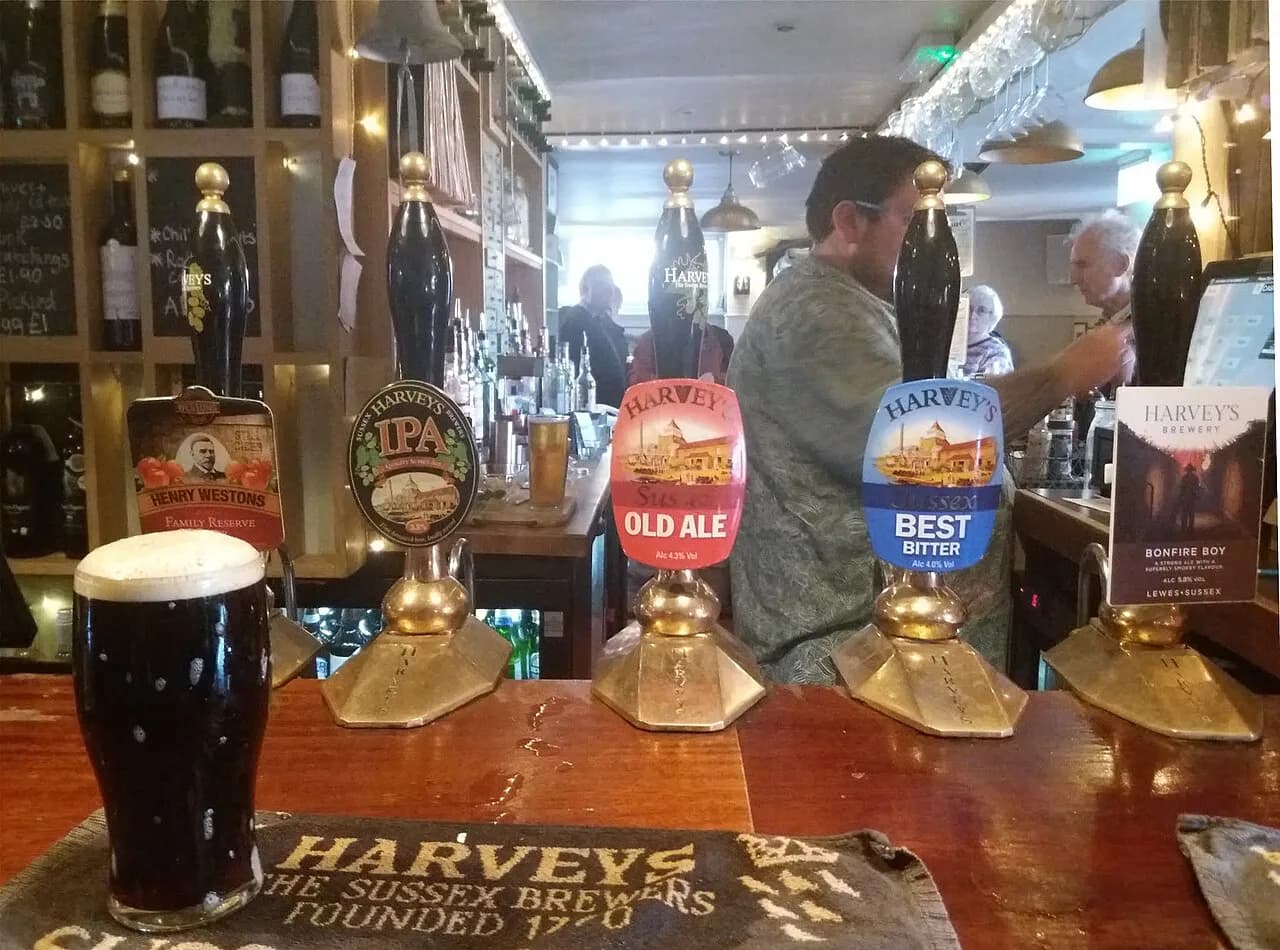
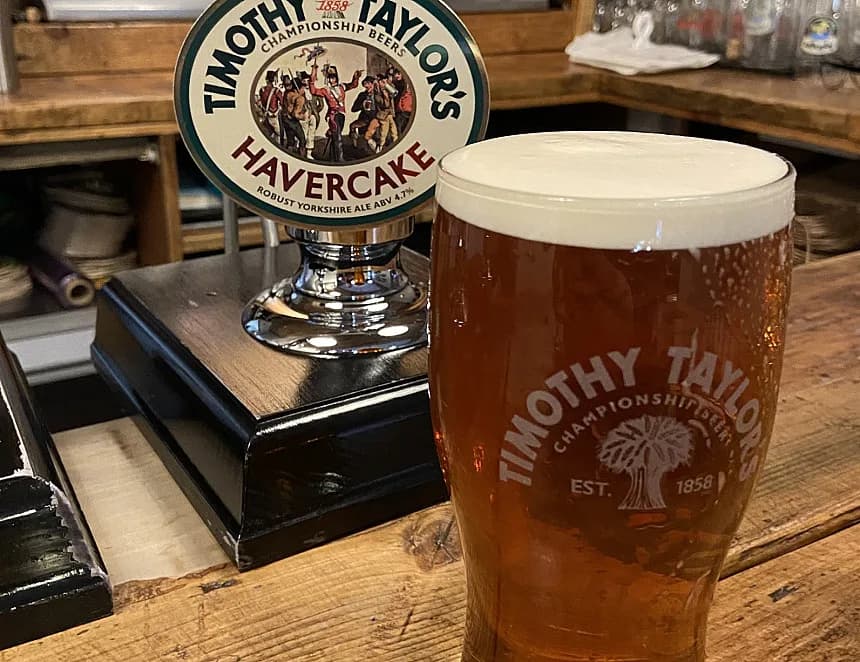
Beer and pub food are built for each other, and the classic pairing is a bitter or a session-strength cask ale with a pie, a roast or fish and chips. Our guide to bitter beer explains the style and where it sits on the bar, while fuller-bodied stouts suit steak and kidney pudding and cold plates of ham and cheese.
Cider works with pork, ham and anything with apple, and real ale is cask-conditioned beer served from the handpump and cellar rather than pushed through gas, so if a pub offers only keg beer the food may still be good but the drink will be colder and fizzier. CAMRA runs a searchable pub finder and lists its branches across the UK, which is a sensible place to look for real-ale pubs before a trip. Ask for a taste before buying a full one; good pubs expect it, and it tells you quickly whether the lines are clean.
Which pub food is worth ordering tonight?
Order the dish the pub is set up for. If the specials board names the season and the pie comes with pastry all round, go for the pie or the fish; if the menu is long and laminated, take the ploughman's and a well-kept pint and spend your money elsewhere next time. Sunday lunch is the meal worth planning and booking, and a short menu in a village local will usually beat a sprawling one in a tourist honeypot.
Before you go, check the kitchen times and whether you need to book, particularly on Sunday, and confirm the children and dog rules if they affect your group. Where a pub keeps its own website and phone number up to date, those are the details to trust. Then order at the bar, take a taste of the beer, and judge the place on the chips.
Explore more United Kingdom guides
Sources
Notes on eating out in the UK
Optional updates when our city guides change.
You might also like
Continue reading
More guides you'll find useful