Bitter Beer: What It Is, How to Order It, What to Try
Bitter is Britain's everyday pub ale, from ordinary to best bitter and ESB. Learn what the words mean, how it should taste and named pints worth ordering.
On this page
Bitter is Britain's everyday cask ale: an amber-to-copper pint with a firm hop finish, usually low in alcohol and built for more than one round. The name is about the bitterness at the end of the swallow, not the colour of the beer, which is why a dark-looking best bitter can still be gentler than a pale, hop-forward IPA. This guide covers what the word means on a pump clip, how the strength tiers work, how to judge condition, and which named bitters to look for by brewery and home county.
If you are new to the style, the practical takeaway is this: start with an ordinary or best bitter, ask for a taster if you are unsure, and judge the pint by its condition rather than by how dark it looks. Everything below is written to help you choose a pint in a British pub, not to turn you into a beer judge.
What bitter actually is
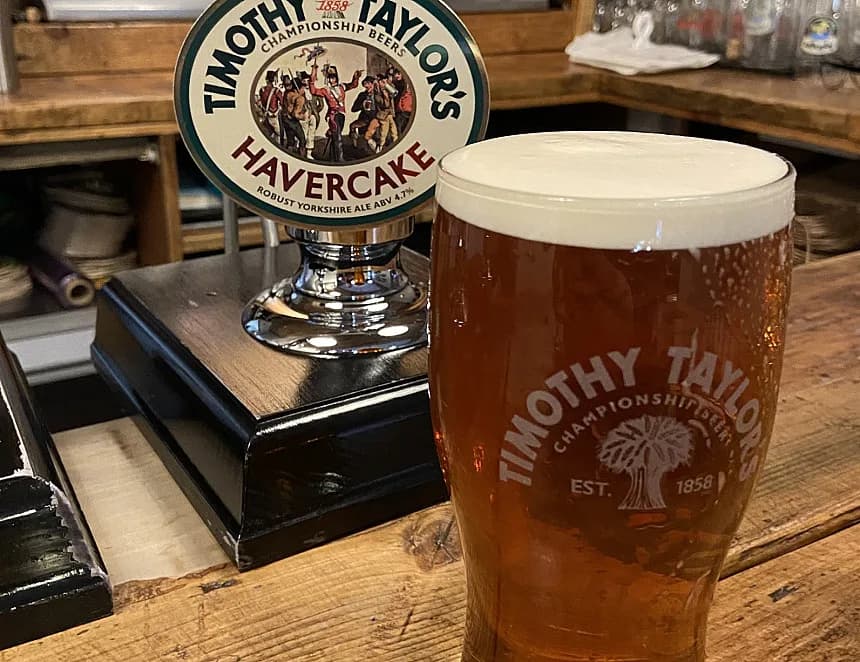
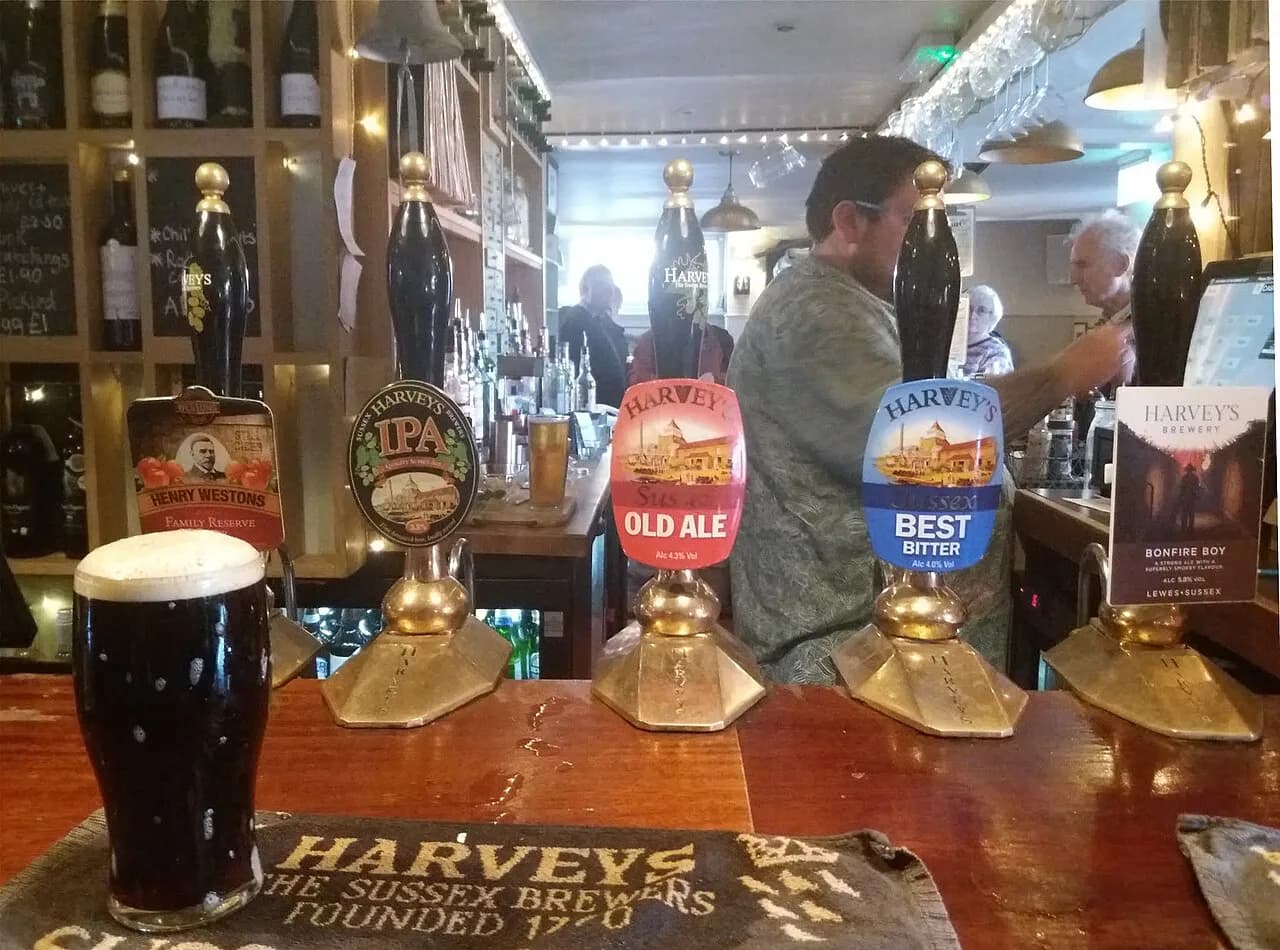
Bitter is a cask-conditioned ale in the amber-to-copper range, brewed with English hops and pale malt and served through a hand pump at cellar temperature rather than ice cold. The bitterness sits in the finish, lingering after the malt has faded, which is where the name comes from. A well-kept pint should have a tight, lacy head, a clean aroma of hops and fruit, and no sharpness or cardboard notes.
The style exists because brewing changed. As hygiene improved at the end of the 19th century, breweries could make lighter, lower-strength beers that would not spoil quickly, and these pale ales were easier to store and condition in limited cellar space. Pub drinkers later gave the amber result the plainer name bitter, and brewers kept using it because that is what customers ask for. For the wider picture of how these pints fit into a pub visit, our guide to the British pub covers the basics of what you will find on the bar.
It helps to separate bitter from modern hop-forward beer. Bitter is balanced and malt-led, with bitterness as a structure rather than a challenge, while an IPA or a golden ale pushes hops to the front. If you have been put off by very bitter craft beer, a traditional bitter is usually a much gentler starting point. Our British beer guide sets out how the styles differ if you want the longer version.
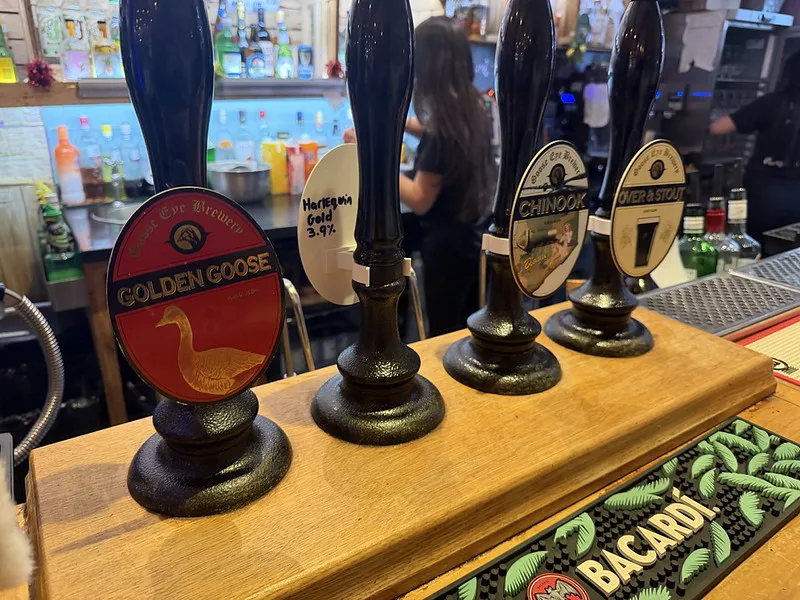
Where the name came from
The word bitter is a bar-room label rather than a brewing term. When pale ale began appearing alongside mild, drinkers ordered by contrast: mild for the dark, malty, low-hopped beer and bitter for the paler, hoppier one. Brewers and publicans adopted the customer's word because it did the job of telling two pints apart on a crowded bar.
That history explains why the pump clip can look confusing today. The same beer may be described as pale ale by the brewery and bitter by the drinker, and the colour in the glass ranges from gold to deep ruby depending on the malt. Read the strength and the tasting note on the clip rather than the style name alone, and treat bitter as a family of beers rather than one recipe.
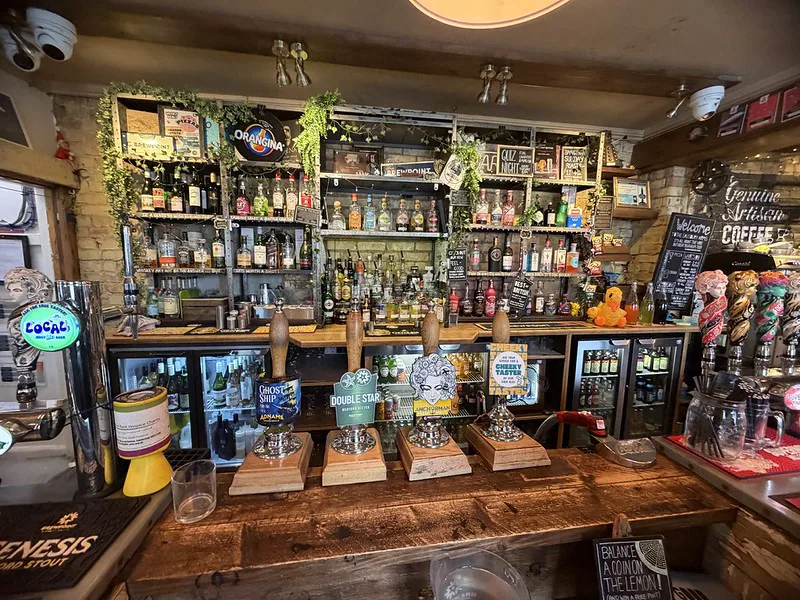
How bitter is served and how to spot a good pint
Bitter is served from cask, pulled by hand pump from a barrel in the cellar and settled for long enough to be clear. Cellar temperature is cool rather than freezing, because too much chill flattens the malt and the hop aroma. A good pint arrives bright, with a head that clings to the glass as you drink and a smell of fresh hops, biscuit and fruit rather than vinegar or damp paper. If the beer looks hazy or the head collapses immediately, that is a condition problem, not a style choice.
Cask ale is a living product, so its quality depends on how quickly the barrel turns and how the cellar is run. This is why busy pubs with a fast turnover often serve better bitter than quiet ones with barrels sitting for days. Our guide to cask ale explains the settling and venting that a publican has to get right.
The honest trade-off is that a tired pint cannot be rescued by asking for a top-up. Ask for a small taster first, and if it tastes dull, flat or sharp, choose something else on the bar rather than committing to a full round. The same taster request is normal in British pubs and no one will think it odd, as our guide to pub etiquette in the UK makes clear.
The strength ladder: ordinary, best and ESB
Bitter is sold in loose tiers, and the tier is a practical guide to how long you plan to stay. Ordinary bitter, sometimes called session bitter, is the lightest and easiest, designed for several pints across an afternoon. Best bitter, the middle rung, carries more malt and a fuller body, so it suits one or two pints with a meal. Extra special bitter, or ESB, is the strongest of the family, richer and more warming, and best treated as a single slow pint.
The labels are not strictly regulated, so check the ABV on the pump clip rather than trusting the word alone. The same brewery may offer several bitters at different strengths, and a strong bitter can sit close to the alcohol of a mild lager. If you are driving or pacing yourself, the tier is the quickest thing to read before you order.
What to expect in the glass
Expect English hops giving a herbal, spicy or gently floral edge, pale malt bringing biscuit and toast, and a fruity character from the yeast that can read as raisin, plum or orange marmalade. The bitterness should arrive late and clean up the finish, leaving you ready for the next mouthful. A golden ale is usually paler, crisper and more hop-led, while an IPA is stronger and more aggressively hopped, so bitter sits in the middle as a balanced, food-friendly pint.
Colour tells you very little about strength or bitterness in this family. A deep chestnut best bitter can be milder in hops than a copper ordinary bitter, and a ruby-toned special may taste of toffee rather than grapefruit. Judge by the aroma and the finish, not by the shade in the glass.
Named pints to look for, by home county
Fuller's London Pride comes from Fuller's in London and is the capital's benchmark bitter, malty and marmalade-fruity with a balanced finish; it is a reliable first order if you want to know what the style tastes like done well. Adnams Broadside is brewed by Adnams in Southwold, Suffolk, and sits at 4.7%, a darker, richer best bitter with dried fruit and a firm bitter close. Wells Bombardier, brewed under the Charles Wells name in Bedford, is a 4.1% best bitter in deep reddish chestnut, fruity with biscuity malt.
Wadworth 6X comes from Devizes in Wiltshire, a copper-coloured archetypal best bitter with peppery English hops. Batemans XXXB from George Bateman & Sons in Wainfleet, Lincolnshire, is 4.5% and fuller, with smoky toffee and caramel underneath a tangy finish, closer to an ESB in weight than an ordinary bitter.
These bitters come from breweries spread across southern England and the east, so the brewery's home county on the clip is your guide to what you are drinking. None is tied to one town, which is why the same name can turn up on bars far from where it is brewed. If you want to understand why these names appear so often, our guide to English pubs and their signs explains how breweries and pubs have long been tied together.
Availability shifts with the seasons and with each pub's buying, so a named bitter you read about may not be on the bar of the pub you walk into. Ask what local cask bitter is on instead of hunting for one brand, and you will usually drink better. If you are building a trip around specific beers, look for brewery taps and free houses; a chain pub may well stock only its own tied list.
Sparklers, northern and southern serves
One of the honest arguments in British beer is the sparkler, a small nozzle on the hand pump that forces the beer through tiny holes and gives a thick, creamy head. Pubs in the north of England often use one by default, while many southern pubs serve without, producing a softer, flatter pint with a thinner head. Neither is correct; it is a house preference, and the same beer can taste quite different through the two serves.
You can ask for the beer without a sparkler, or with one, and most publicans will oblige without fuss. The practical test is the pint in front of you: if the head is thick and the beer tastes lively and clean, the serve is working. If it tastes flat and tired, the problem is condition, not the nozzle.
Bitter with food
Bitter is one of the best pints to put with pub food because the hop finish cuts through fat and salt. An ordinary or best bitter works with a ploughman's, fish and chips or a packet of crisps, while a stronger best or an ESB stands up to a Sunday lunch with roast beef and gravy. The malt and bitterness refresh the palate between mouthfuls in a way that a cold lager often does not.
If you are eating in a smarter dining pub, ask which bitter the kitchen recommends with the dish rather than guessing. A gastropub with a short cask list will usually have chosen its beers to match the menu, and a single well-kept bitter often beats a longer, slower-moving range. Our guide to what a gastropub is explains what to expect from that kind of pub.
Taking bitter home
Bottled and mini-keg bitter travels better than most people expect, but it will not taste the same as a fresh cask pint. Bottles are pasteurised or filtered and lose some of the live yeast character, while mini kegs keep the beer under pressure for a few days once tapped. Buy from a brewery shop or a specialist beer retailer with fast turnover, and check the best-before date; a dark bottle does not keep indefinitely.
If you want the closest thing to pub condition at home, a mini keg from a brewery is the better buy, but plan to drink it within a few days of opening. Bottles suit a single evening and a mixed selection lets you compare an ordinary, a best and a stronger bitter side by side. Our real ale guide covers what to look for on the label.
Is bitter beer actually bitter?
Usually less than newcomers expect. Traditional bitter is built around balance, with malt sweetness and fruity yeast softening the hop finish, and an ordinary bitter is often gentler than a modern pale ale or IPA. The bitterness is there, but it is a clean, appetising edge rather than a punch. If you dislike very hoppy beer, start with an ordinary or a malty best bitter rather than an ESB.
The word has also drifted. Plenty of drinkers use bitter to mean any beer that tastes sharp, which confuses the conversation, so ask for the style on the pump clip instead. If you want a broad grounding in how British beer styles relate, our guide to British beer explains the wider family.
Which bitter should you order first?
Order an ordinary or best bitter if you are staying for a session or eating, and save an ESB for a single slow pint at the end of the evening. Ask for a taster when a pump is unfamiliar, judge the pint by its condition and aroma rather than its colour, and do not be shy about asking for no sparkler if you prefer a softer head.
Pub opening hours and beer ranges change, so check the pub's own website or social media before travelling for a specific bitter. A short walk to a busier free house is often a better bet than a quiet pub with a slow-moving barrel. That single decision, made before you order, will do more for your pint than any tasting note.
Explore more United Kingdom guides
Frequently Asked Questions
What is the difference between bitter and pale ale?
They overlap heavily. Pale ale is the older brewing term for a lighter beer, and bitter is the bar-room name drinkers gave the amber, hoppy version when it appeared beside mild. Many bitters are technically pale ales, so read the pump clip's strength and tasting note rather than relying on the label.
Is bitter served warm?
No. Cask bitter is served at cellar temperature, which is cool but not chilled, so the malt and hop aromas come through. A pint that feels genuinely warm is a sign of poor cellar management, not of correct British serving.
Do I have to drink bitter in a pub?
No, but it is at its best there. Fresh cask bitter depends on a well-run cellar and fast turnover, and bottled or mini-keg versions lose some of that live character. If you want to try the real thing, order it in a busy pub with a good cask range.
Sources
Notes on eating out in the UK
Optional updates when our city guides change.
You might also like
Continue reading
More guides you'll find useful