Traditional British Food: What to Try in the United Kingdom
Traditional British food, dish by dish: what fish and chips, a full English, a Sunday roast, pies, puddings and haggis are, and how to order them well.
On this page
Traditional British food is best understood as four kitchens rather than one: England, Scotland, Wales and Northern Ireland each have dishes the others do not, and haggis, Welsh cakes and an Ulster fry sit outside English cooking entirely. This guide covers the classics you are most likely to meet on a menu, what each one actually is, and how to order it so you get a good version rather than a tired one. It is organised by meal and occasion, so you can read the breakfast, pub lunch or pudding section depending on where you are in the day.
Expect trade-offs rather than a definitive ranking. A proper chippy and a sit-down fish restaurant do different jobs, a hot pasty and a cold pork pie suit different moments, and a suet pudding is a heavier proposition than a pastry pie. The advice below tells you what to look for on the plate and what to ask for, so it works in any town you happen to be in.
What counts as traditional British food
The clichés are not wrong, just narrow. Fish and chips, a full English breakfast, a Sunday roast and a pint of bitter are genuinely central to how people eat here, but the wider list runs from Cornish pasties and Eccles cakes to bangers and mash, steak and kidney pie and bread and butter pudding. Several of these are English rather than British, and the further north and west you go, the more the plates change.
A useful way to read a menu is by function rather than by name. Breakfast is eggs, bacon, sausage and bread; lunch is often something hand-held or a bowl of soup with a doorstop sandwich; Sunday is a roast; and pudding is a hot, sweet, stodgy finish. Once you know which slot you are filling, the names on the menu stop feeling like a test.
Regional identity matters more than visitors expect. Haggis belongs to Scotland, Welsh cakes to Wales, and an Ulster fry to Northern Ireland, each with its own local variations. Treating them as interchangeable misses the point, and ordering them where they belong is usually the better version.
Fish and chips: chippy or sit-down
This is the dish most visitors try first, and the one most likely to disappoint if you pick badly. The best versions come from a proper chippy rather than a general restaurant, where the fryer is busy and the fish goes from batter to basket quickly. A sit-down fish restaurant can be very good, but you are paying for the room as much as the fryer.
On the ordering side, cod or haddock are the standard choices, and the batter should be crisp rather than pale and soft. Mushy peas and tartare sauce are the classic accompaniments, and scraps, the little crunchy bits of batter, are worth asking for if the shop offers them. Chips should be chunky and floury rather than thin and crisp; if they arrive limp and greasy, the oil was not hot enough.
Portions are large, so a single portion of fish and chips is usually enough for one hungry adult and often too much for a lighter appetite. If you are eating in, check whether the shop charges restaurant prices rather than takeaway prices, because the gap can be wide. Takeaway wrapped in paper and eaten outside is often the better-value option.
The full English breakfast
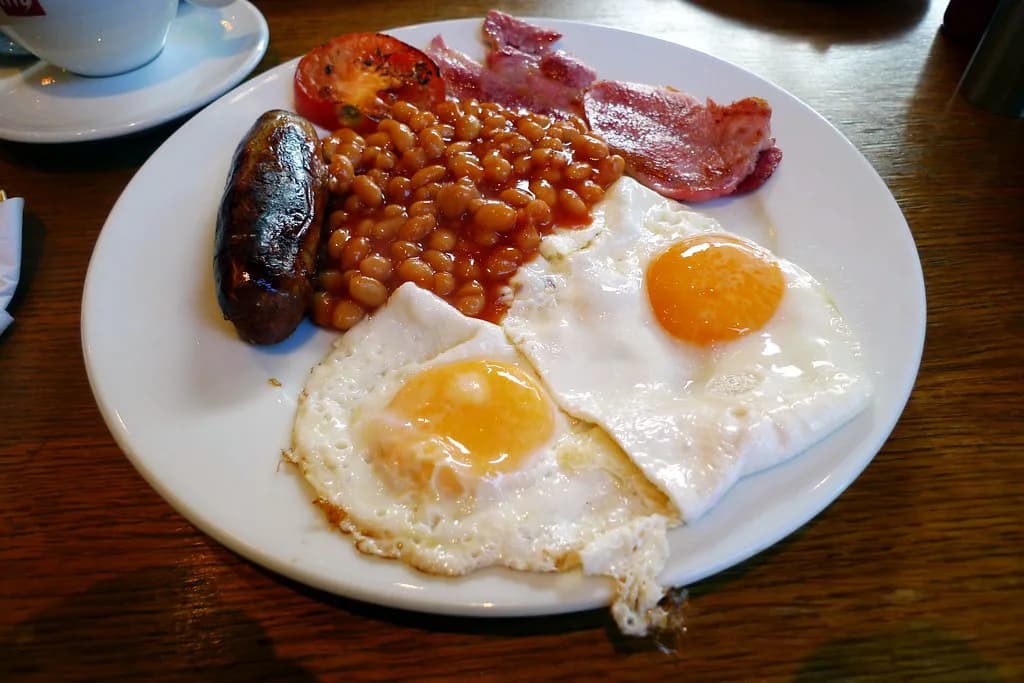
A full English is a plate, not a recipe: bacon, sausages, eggs, grilled tomato, mushrooms, baked beans and fried bread or toast, with black pudding appearing in many versions and hash browns in some. The variations matter, since a northern plate may lean harder on black pudding while other regions skip it, and the quality of the sausage and bacon tells you more about the kitchen than anything else on the plate.
Ordering well comes down to timing and appetite. These plates are heavy, so they work best as a late breakfast before a long walk rather than before a big lunch, and many cafés serve them only until mid-morning. If you want something smaller, a bacon sarnie or a breakfast bap is the same idea in a roll, and a much lighter start to the day.
The Ulster fry is the Northern Irish cousin of the full English, and it brings soda bread and potato farls to the plate instead of toast alone. It is worth ordering if you are in Belfast or anywhere in the north, because it is a different breakfast rather than a variation on the same one.
Sunday lunch: the roast and its rules
Sunday lunch is the meal most worth planning around, and the one where booking matters most. Roast beef, lamb, chicken or pork arrives with roast potatoes, vegetables, gravy and, with beef at least, Yorkshire puddings; the best versions are carved to order and the worst have been sitting under a lamp since noon. Go early rather than late if you can, because the meat and the potatoes are at their best in the first sitting.
Portion sizes are generous, and many pubs offer a smaller plate or a children's version that is plenty for a lighter appetite. Gravy is the tell: thin, watery gravy on a roast is a bad sign, and asking for extra is normal rather than fussy. Pubs usually publish their Sunday serving times, and many stop serving roast once it runs out, so check ahead rather than turning up at three o'clock.
Pies and pasties: hot, cold, hand-held or plated
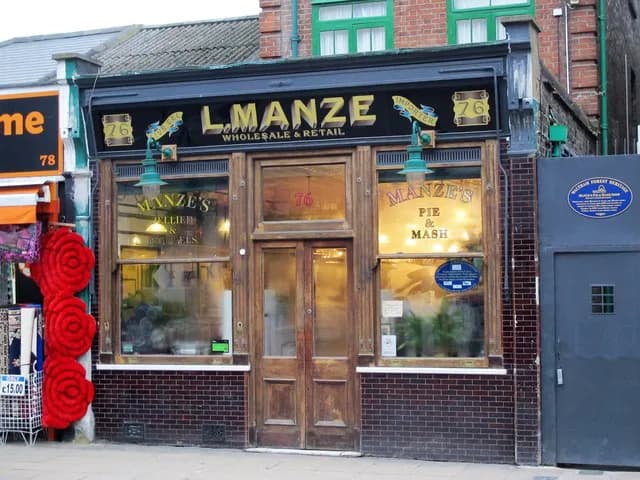
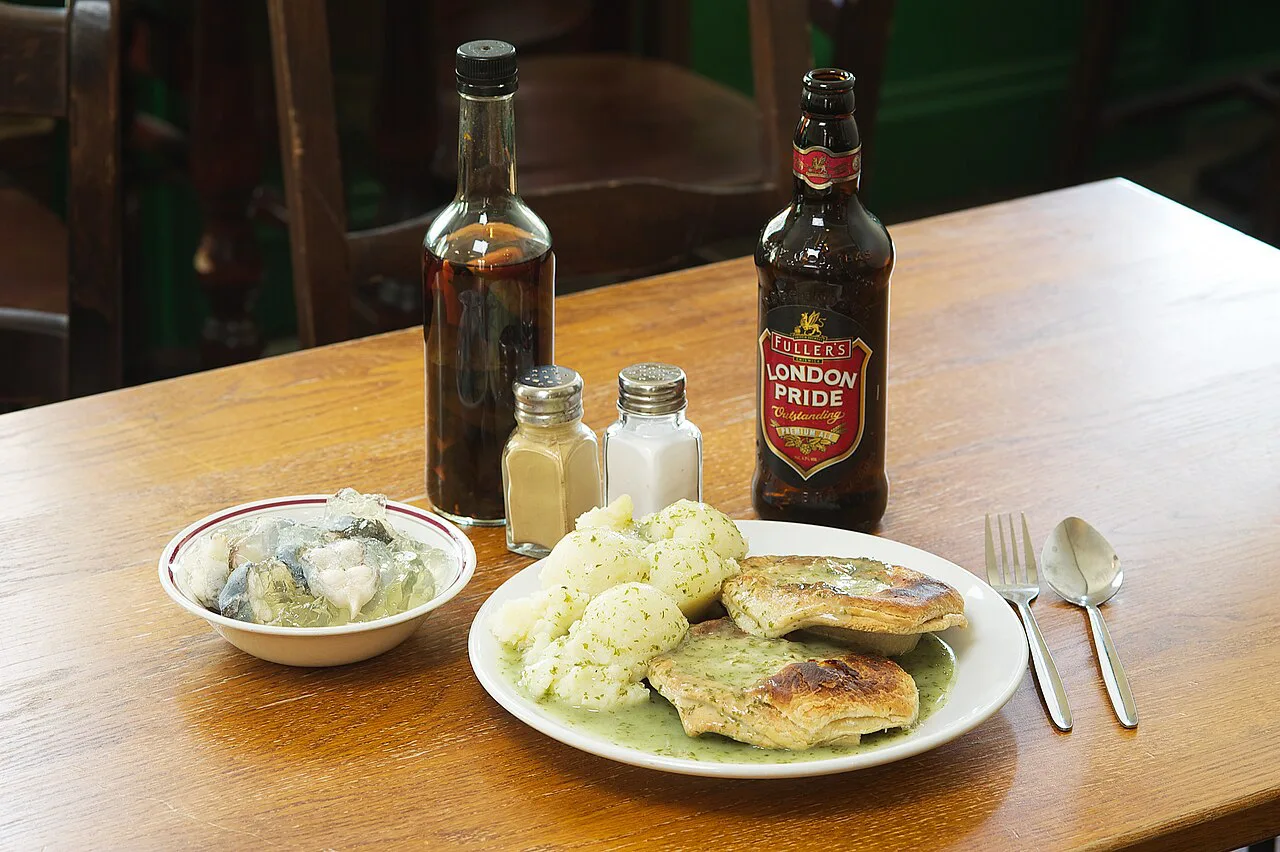
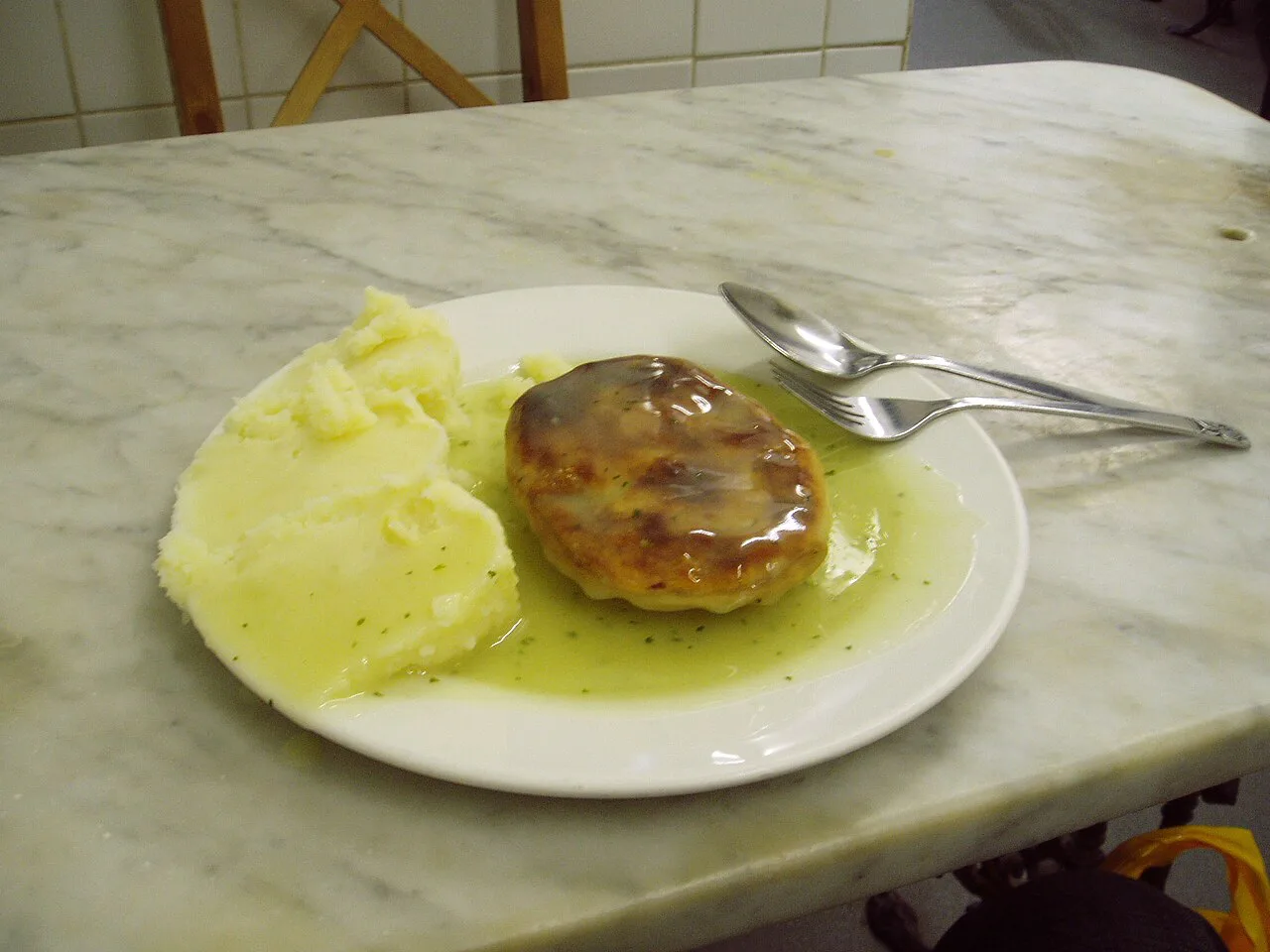
The pie family covers a lot of ground. A steak and kidney pie or a beef and ale suet pudding is a plated pub main with a suet crust or a pastry lid, served with mash and gravy; a pork pie is eaten cold, often with piccalilli or chutney, and is a picnic or bar-snack item rather than a full meal. The suet pudding is the heavier of the two, dense and steamed rather than baked, and it is a proper winter plate.
Cornish pasties and Scotch pies follow different logic again: both are hand-held, designed to be eaten without cutlery. A pasty is best warm from a proper bakery rather than reheated under a counter lamp, and a Scotch pie is a small, hot mutton pie often eaten with brown sauce. Cold pork pies keep well and travel better than either, which is why they turn up on pub boards and in picnic hampers.
On a menu, look at what accompanies the pie rather than the name. Mash, mushy peas and gravy signal a pub main; a salad garnish suggests a lighter lunch. If the pie is described as a suet pudding, expect a longer wait, since it is steamed to order in most kitchens.
Bangers and mash, toad in the hole and Cumberland pie
This is the sausage-and-gravy family, and the versions differ mostly in how the sausage is cooked. Bangers and mash is sausages on buttery mash with onion gravy; toad in the hole bakes the sausages into a Yorkshire pudding batter and is a bigger, more savoury plate; Cumberland pie tops a meat filling with mash and often a crumb, rather than pastry. All three are comfort food rather than fine dining, and all three go well with a pint of ale.
Quality here hinges on the sausage and the gravy. A good banger is coarse and well seasoned rather than pale and smooth, and onion gravy should taste of onion rather than granules. These dishes are usually inexpensive pub mains, so they are a sensible order when you want a filling plate without a long wait.
Black pudding, Scotch eggs and pub snacks
Pub menus often start with things that are better shared than eaten alone as a starter. Black pudding, a sliced sausage made with blood, oatmeal and seasoning, turns up fried with a breakfast or in a starter with apple or mustard; a Scotch egg is a hard-boiled egg wrapped in sausage meat and breadcrumbed, best when the yolk is still soft. Both tell you a lot about whether the kitchen cooks to order.
Portion sizes vary widely here. A Scotch egg or a bowl of olives is a snack with a drink rather than a starter before a main, and ordering two or three small plates is often a better route than a full three courses. If you are eating a main afterwards, one shared snack between two is usually enough.
Scottish and regional plates worth seeking out
Heading north, haggis, neeps and tatties is the plate to try: a spiced sausage of oatmeal, onion and offal, served with mashed turnip and potato. It appears on menus well beyond Burns Night, and it is worth ordering in Scotland rather than south of the border, where versions vary more. The flavour is peppery and savoury rather than gamey, and it is filling enough that a starter portion is often plenty.
Wales brings Welsh cakes, small griddled cakes with currants, and pice ar y maen is simply the Welsh name for them. They are a bakery and café item rather than a sit-down pud, best eaten warm with a cup of tea, and they travel well if you want something for the journey home.
Across the whole of Britain, the cheese board is the unsung regional plate. Cheddar, Red Leicester and Double Gloucester are the familiar names, and a pub that lists its cheeses by county is usually taking them seriously. Ordering a cheese board instead of a pud is a good move if you want to taste something local without a heavy finish.
Puddings: how to choose between them
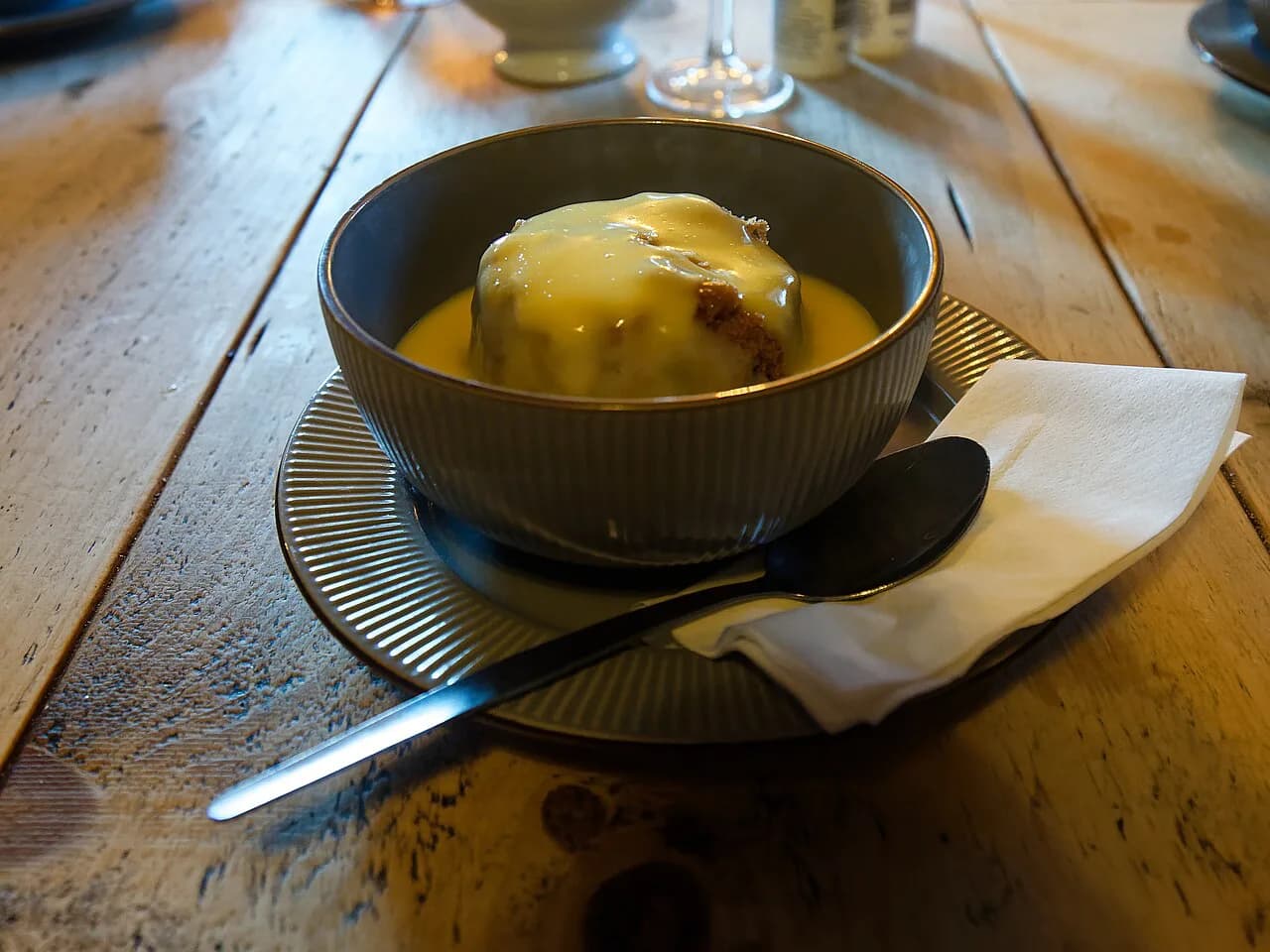
British puds are mostly warm, sweet and substantial, so the choice matters more than the name. Sticky toffee pudding is a date sponge with toffee sauce; treacle sponge is lighter and syrupy; bread and butter pudding is baked custard and bread, often with raisins; spotted dick is a steamed suet pudding with currants. If you only have room for one, sticky toffee pudding is the crowd-pleaser and the safest bet.
Cold puds suit a warm day better. Summer pudding is bread soaked in berry juice with soft fruit inside, Eton mess is meringue, cream and strawberries, and trifle layers sponge, custard, cream and fruit. These are lighter on the stomach than a steamed pud, but portion sizes are still generous, so sharing one between two is often enough.
Watch for the word sponge or pudding on a menu: it usually signals a steamed or baked pud rather than a delicate dessert, and the wait can be fifteen minutes or more if it is made to order. If the kitchen is closing soon, ask before ordering.
Bakery classics to pick up, not sit down to
Some of the best traditional British food is bought over a counter rather than served at a table. Scones are a bakery item as much as a tearoom one, and Eccles cakes, fat rascals and parkin all fall into the same category: small, sturdy, and better from a proper bakery than a supermarket. Hot cross buns appear mainly in the run-up to Easter and are worth buying when they are fresh.
Ordering is simple: ask what came out of the oven that morning. Fat rascals are the richest of the group, a cross between a scone and a rock cake, while parkin is a sticky ginger cake from the north of England that improves over a day or two. A single item and a coffee is a cheap breakfast or an easy afternoon stop.
How to order well: portions, timing and policies
A few practical rules make the difference between a good meal and a frustrating one. Starter and main portions in British pubs are larger than visitors expect, so two courses are usually enough and a starter plus a pud is a legitimate way to eat. Sunday lunch and popular chippies get busy early, and many kitchens stop serving well before the pub closes, so check serving hours before you set out. Pubs vary on children and dogs after certain times, and some still run cash-only or have a card minimum, so carry a little cash.
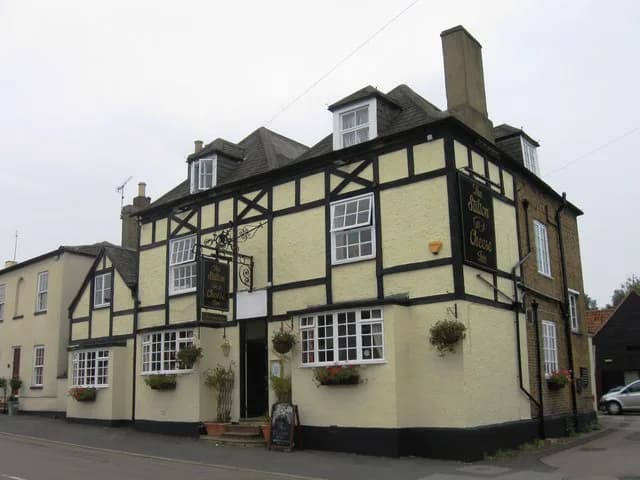
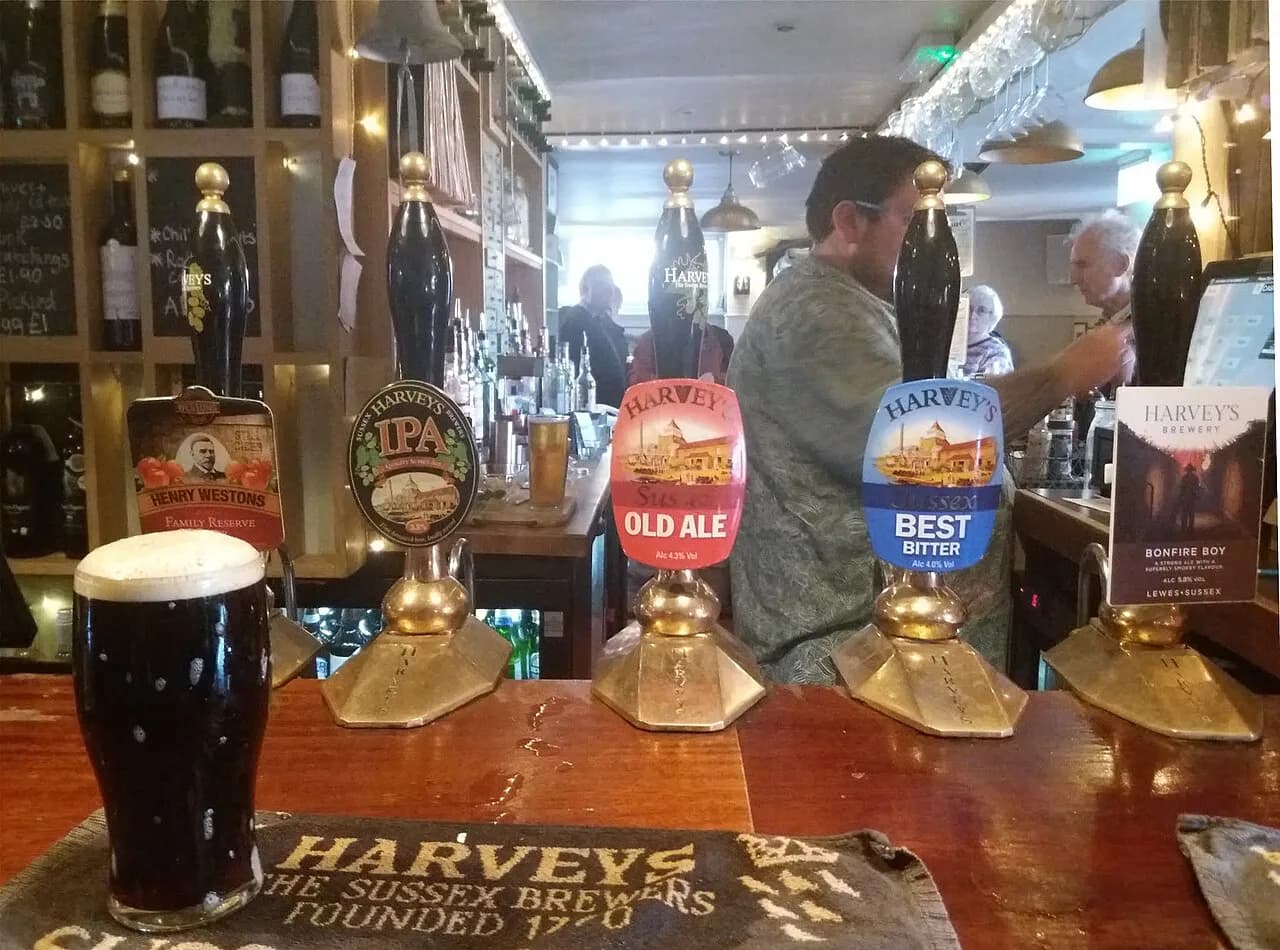
If you want to eat where the locals eat, look for a menu that changes with the seasons and a blackboard that lists the day's dishes. Cask ale is a good test of a pub's standards, and a well-kept pint usually sits alongside a better kitchen; our guide to British pubs explains how the beer and the menu usually go together. It is worth asking what is on and what is off rather than ordering blind.
For anything that matters, such as a large table or a Sunday booking, check the pub's own website or phone the day before. That is also where you will find current serving hours and any policy on children or dogs, since these differ from pub to pub.
Which dish to order in which city
Where you are shapes what to order. Liverpool, Leeds, Newcastle and Nottingham are strong for pub lunches, pies and Sunday roasts; York and Chester suit a slow lunch between sights; Cambridge leans lighter, with bakery stops and pub plates; and Brighton and Birmingham cover a wide range from chippy tea to modern British cooking. Canterbury rewards an early lunch before the day-trippers arrive.
In Scotland, Edinburgh is the place to start with haggis, neeps and tatties and a good pub pie. Each city guide on this site names the dishes to order and the areas to head for, which is more useful than a national list once you have picked your destination. Use them alongside this page: this guide tells you what the dish is, and the city guide tells you where to eat it.
Seven dishes to try first
If you only have a few days, start with fish and chips from a proper chippy, then a full English breakfast, then a Sunday roast with Yorkshire pudding. Add a steak and kidney pie or a beef and ale suet pudding from a pub menu, a bacon sarnie for a quick lunch, and sticky toffee pudding for a pud. That sequence covers the range without repeating the same flavours.
If you are heading north, swap one of those for haggis, neeps and tatties, and in Wales add Welsh cakes from a bakery. The point is not to tick off a list but to try the classics in the form each is best at. Two or three good versions beat seven mediocre ones.
Is British food actually bland?
The reputation comes from the bad versions, not the dishes. Fish and chips with soggy batter, a roast with watery gravy and a pie filled with grey meat will taste bland anywhere; done well, the classics are salty, savoury and rich. The risk is ordering them in the wrong place, such as a tourist-facing restaurant with a laminated menu, rather than from a kitchen that cooks to order.
The classics get their flavour from fat, salt and slow cooking rather than spice. Plenty of the dishes above are built around a single well-made component, whether that is a coarse sausage, a sharp pickle or a properly reduced gravy. If you want more punch, look for dishes with mustard, pickles, black pudding or strong cheese, and ask what the kitchen recommends.
Which dish will you order first?
Start with the meal slot rather than the dish: breakfast, a pub lunch, Sunday lunch or a pud. That narrows the menu to a handful of classics, and the advice above tells you what a good version looks like. If you are planning a trip, read the city guide for where you are going and order the dish that city does best.
Do not try to cover everything in one visit. Pick two or three classics, order them where they belong, and leave the rest for next time. The best traditional British food is rarely the most famous dish on the menu; it is the one the kitchen has been cooking for years.
Explore more United Kingdom guides
Frequently Asked Questions
What are 10 traditional British foods?
A workable ten: fish and chips, a full English breakfast, a Sunday roast with Yorkshire pudding, bangers and mash, toad in the hole, steak and kidney pie, a Cornish pasty, black pudding, sticky toffee pudding and haggis, neeps and tatties. Several are English rather than British, and haggis is Scottish, so treat the list as a starting point rather than a national canon.
What food is genuinely English?
Fish and chips, the full English breakfast, the Sunday roast, pork pies, Cornish pasties and puddings such as sticky toffee and bread and butter are all closely associated with England. Haggis belongs to Scotland, Welsh cakes to Wales and the Ulster fry to Northern Ireland, so a genuinely English list is shorter than a British one.
What is a typical British dinner?
In the evening, many people eat earlier than visitors expect, and the pub is the most reliable place to find a full plate. Expect pies, sausages and mash, fish and chips, curries and roasts on a Sunday, with portions large enough that a starter and a main is usually plenty. Kitchens often stop serving before the pub closes, so check times before you go.
Do British people eat beans for breakfast?
Baked beans are a standard part of a full English breakfast, served hot and often alongside bacon, eggs and toast. They are not universal, and some regional versions skip them in favour of black pudding or fried bread. If you would rather not have them, most cafés will leave them off without a fuss.
Sources
Notes on eating out in the UK
Optional updates when our city guides change.
You might also like
Continue reading
More guides you'll find useful