Scottish Food: What to Eat and Where to Try It in Scotland
A candid guide to Scottish food, from haggis and Cullen skink to Arbroath smokies and cranachan, with what each dish is like and how to order it.
On this page
Prioritise three things if your Scottish trip only allows a handful of meals: haggis with neeps and tatties, a bowl of Cullen skink and a haddock supper from a chippy. Around those sit smoked fish, west coast shellfish, a full Scottish breakfast and a short list of puds that are worth the calories. This guide covers what each dish actually is, how it is served, what to order alongside it and where in Scotland it makes most sense to eat it, so you can spend your appetite rather than your time on the things that matter.
Scottish cooking is hearty and produce-led rather than fussy. Beef, fish, oats and root vegetables do most of the work, with smoke, salt and pepper providing the punch. That means big breakfasts, thick soups and puddings that sit heavily, which suits a day on your feet far better than a delicate lunch does.
What Scottish food actually is
Think of Scottish food as English cooking with the volume turned up and the sea brought closer. You will meet the same fish and chips, pies and roasts you find south of the border, but with more smoked fish, more oats, more offal and a willingness to serve a pudding with whisky in it. It is not a refined cuisine in the Michelin sense, and it does not pretend to be; it is food built for cold weather and long walks. If the chippy tradition is what draws you, our United Kingdom guide covers the same order in more depth.
The building blocks are straightforward. Scottish beef, particularly Aberdeen Angus, is a genuine strength, and so is the seafood landed around the coast. Oats appear at breakfast and in stuffings, root vegetables turn up mashed beside the main event, and smoke from traditional curing gives fish a character you will not find in a supermarket fillet. Learn to recognise those ingredients on a menu and you will order well almost anywhere.
Be sceptical of the idea that everything on a Scottish menu is Scottish. Many dishes routinely served here are simply British staples, and some of the most tourist-facing versions are the weakest. The dishes that repay ordering are the ones tied to local produce and local technique, so concentrate on those rather than on anything labelled traditional.
Haggis: the dish to order first
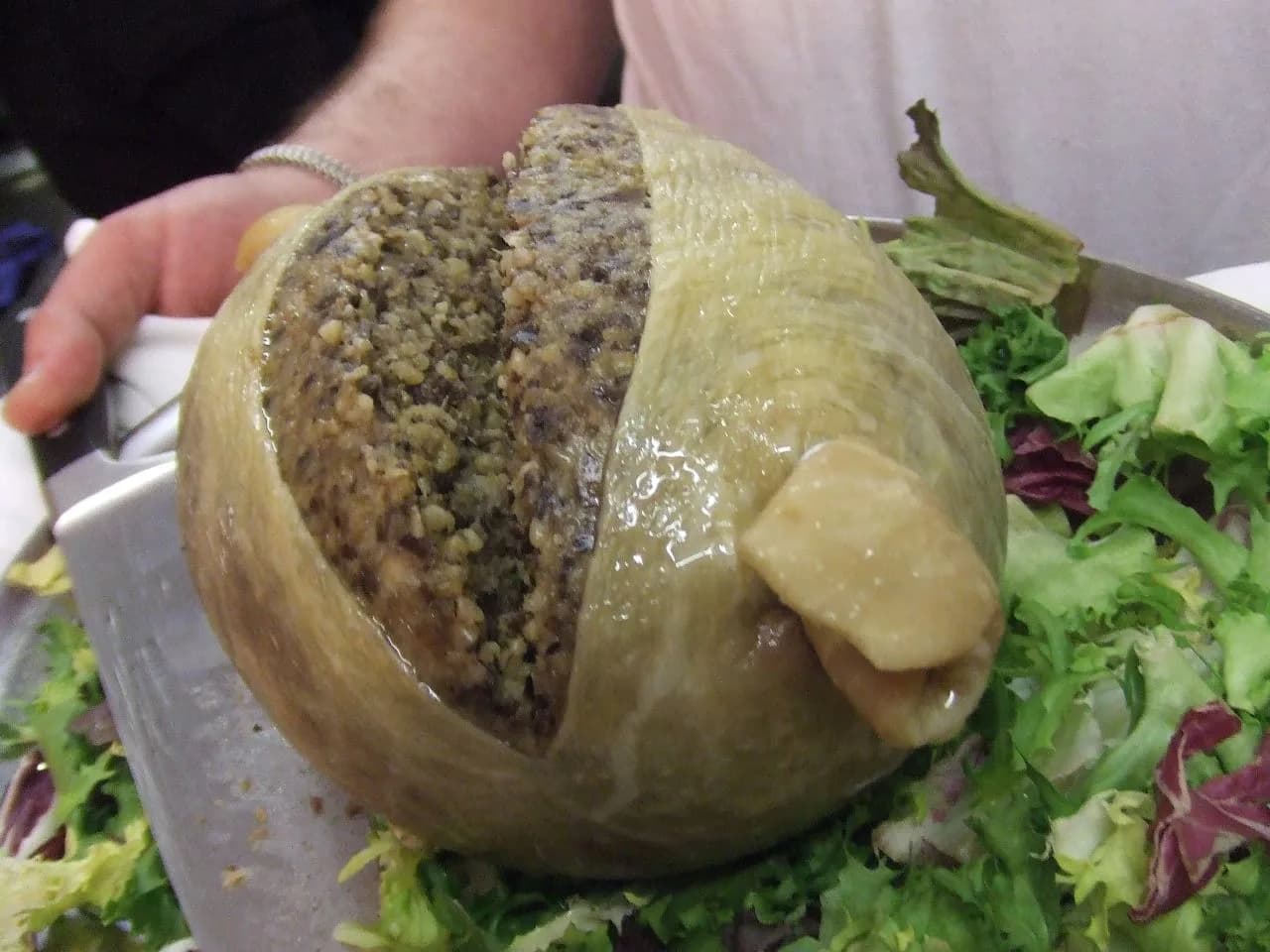
Haggis is Scotland's national dish and the one most visitors have an opinion about before they have tasted it. It is a savoury pudding of minced Sheep's heart, liver and lungs bulked out with oatmeal, onions, suet and spice, and it is peppery, dense and richly flavoured. The pepper is the thing that surprises people: it is not a bland meatloaf, and it is not for everyone, but it is far better than its reputation suggests. Our guide to haggis explains what it is and how it is served in more detail.
It usually arrives as neeps and tatties alongside: mashed turnip, which is the yellow swede rather than the small white turnip, and mashed potato, with the haggis piled in the middle. Order a whisky sauce if it is offered, because the cream and spirit soften the pepper and tie the whole plate together. A vegetarian haggis is a real alternative rather than a consolation prize, made with oats, pulses and vegetables, and it is widely available.
Portion sizes are generous, so haggis works well as a starter if you want to try it without committing to a whole main. It also appears in a full Scottish breakfast, where a slice or a spoonful sits beside the eggs and bacon. If you are squeamish about offal, the vegetarian version lets you join the table without the gamble.
Cullen skink and the soups worth ordering
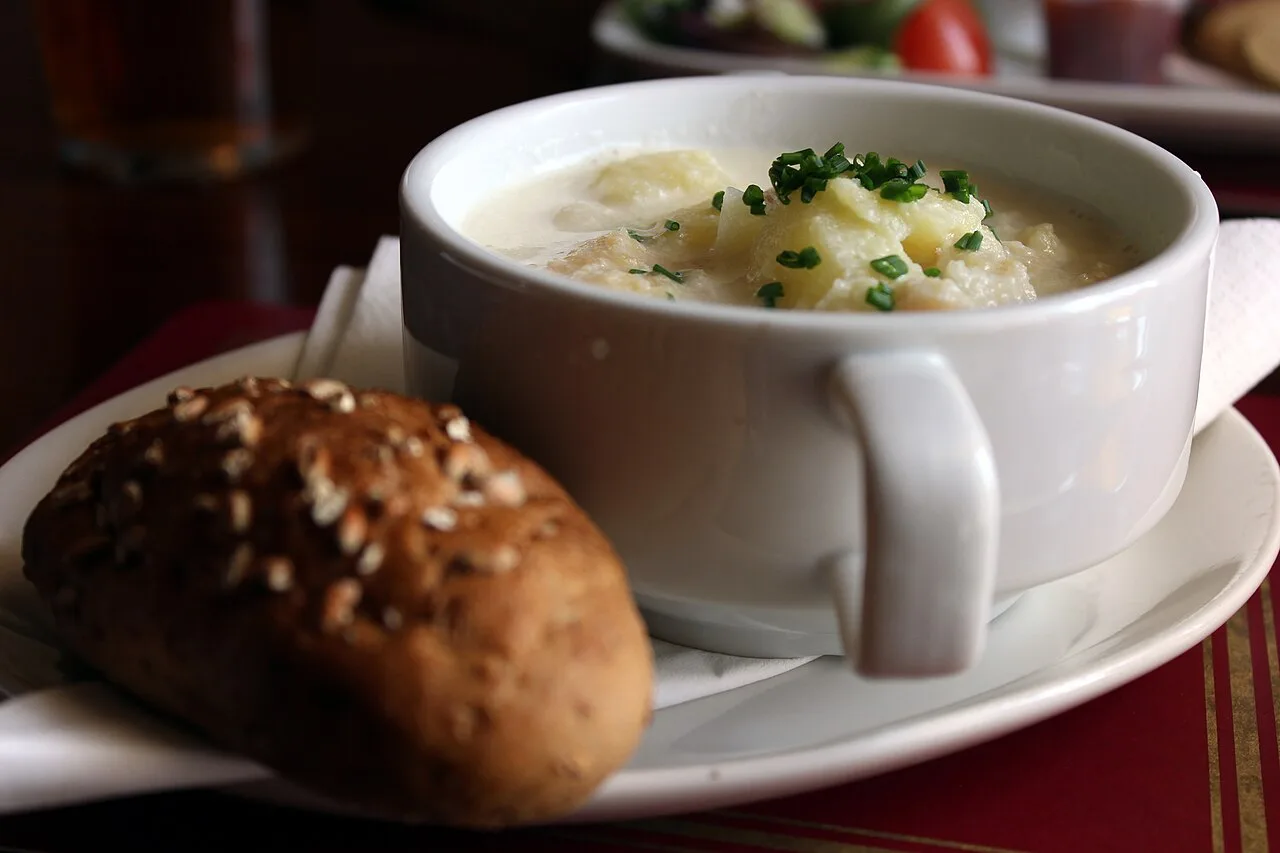
Cullen skink is a smoked haddock, potato and onion soup, creamy and thick enough to stand a spoon in. A proper version tastes firmly of smoked fish and has visible flakes of haddock and chunks of potato; a thin, pale bowl that tastes mostly of cream and salt is the one to avoid. It is served as a starter in most places and makes an excellent cold-weather lunch with bread.
Scotch broth is the other soup to know, a barley and vegetable broth with lamb or mutton that is lighter than skink and just as warming. Both are good ways to start a meal without filling up before a main, and both are usually among the cheaper starters on a menu. If you are eating in a pub, either is a safer bet than a dish that has travelled a long way to get there.
Smoked fish: Arbroath smokies and the rest
An Arbroath smokie is a whole haddock that has been salted and then smoked over a hardwood fire, traditionally in a barrel, which gives it a dense, golden flesh and a strong smoky flavour. It is usually served flaked into a salad, stirred through pasta or scrambled with eggs, and it is quite different from the pale smoked haddock you might buy elsewhere. The name is protected, so a smokie should come from Arbroath and be made in the traditional way; it is one of the classic traditional Scottish foods worth seeking out on a menu.
Cold-smoked salmon and hot-smoked salmon are both common on Scottish menus, and the difference matters when you order. Cold-smoked is silky and subtle, usually served in thin slices with bread or in a starter; hot-smoked is flaky and cooked through, closer to a fish main. If you are ordering smoked fish as a starter, ask which style it is, because the two are not interchangeable.
Smoked fish is also a staple of the breakfast table in the north-east, where it turns up with eggs or in a haddock and poached egg dish. It is not always the lightest way to start the day, so if you have a long drive ahead, a smaller portion is the sensible choice.
Fish suppers and chippies: how to order
A fish supper in Scotland means fish and chips, and the fish is usually haddock rather than cod, which is the better choice north of the border: firmer, sweeter and the default in most chippies. It comes in a crisp batter, with thick-cut chips, salt and vinegar, and usually a pot of tartare sauce. Order it as a supper and you get the full portion; a single is the smaller version, which is worth knowing if you are eating before a long walk.
The sides are part of the ritual. Mushy peas, pickled onions and a slice of bread and butter are common, and in some places you can order a chip butty, which is exactly what it sounds like. If you are eating in, expect a sit-down menu with slightly higher prices than the takeaway counter; if you are taking it away, eat it quickly, because batter goes soft in a paper bag.
A chippy in a coastal town will usually have the advantage of fish landed nearby, which is a real difference in quality. It is also worth noting that many chippies close earlier than restaurants, so a late evening visit is a gamble; check the posted opening times on the door before setting out.
Seafood beyond the chippy: mussels, langoustines and lobster
The west coast is where Scottish seafood is at its best, because the sheltered sea lochs and cold water produce excellent mussels, langoustines, scallops and lobster. Mussels usually arrive in a big bowl with white wine, garlic and bread to dip into the broth, which makes them one of the best-value ways to eat well. The rope-grown mussels from the west are plump and sweet, and the difference from a supermarket version is noticeable.
Langoustines are the special treat, messy to eat and worth the effort, and scallops are at their best simply seared with butter. Lobster is the expensive end of the menu, so it is worth asking where it was caught and how it is served before you commit. If you are eating seafood in a town inland, ask what came in that day instead of taking it for granted that everything is local.
The full Scottish breakfast, explained
A full Scottish breakfast is the same idea as a full English, with a few local additions. Expect eggs, bacon, sausage, a tomato, possibly mushrooms, and then the Scottish elements: black pudding, Lorne sausage, a tattie scone and often haggis. Black pudding is a sliceable sausage made with blood, oatmeal and spice, Lorne sausage is a square slice of minced beef and rusk, and a tattie scone is a flat potato cake that is best fried until crisp at the edges.
It is a large meal, and many hotels and cafés serve it until mid-morning, which makes it a brunch rather than a breakfast if you get up late. If you are walking or driving afterwards, it will keep you going; if you are planning a long lunch, it may be too much. Porridge is the lighter alternative, and it is usually available alongside.
Porridge and oats
Traditional Scottish porridge is made with oats, water and a pinch of salt, stirred and left to thicken, which gives a savoury, slightly salty bowl rather than a sweet one. Modern versions often use milk and come with fruit, honey or nuts, and both are legitimate; the salted version is the one to try at least once if you want to understand the local taste. It is a cheap, filling start to the day and widely available.
Oats also appear in haggis, in stuffings and in some bakes, so they are a constant rather than a breakfast-only ingredient. If you are buying oats to take home, look for pinhead or steel-cut oats, which give a coarser texture than rolled oats.
Beef and game: when to spend more
Aberdeen Angus beef is Scotland's most famous meat export, and it is worth ordering as a steak or a burger where the menu makes a point of the breed. It is well marbled and flavoursome, and a good pub will cook it simply. Venison is lean and gamey, best served as a steak or a stew, and grouse is a seasonal game bird with a strong flavour that appears on menus in the autumn. These dishes are usually among the more expensive mains, so order them where the kitchen clearly knows what it is doing.
Sweet things: cranachan, tablet, shortbread and sticky toffee pudding
Cranachan is the Scottish pud to try: whipped cream folded with toasted oats, whisky and raspberries, sometimes with honey. It is light, sharp and boozy, and it is a better introduction to Scottish sweets than a heavy pastry. Sticky toffee pudding is British rather than uniquely Scottish, but it is everywhere and often very good, so it is a safe order when you want something warm and sweet.
Tablet is a sugary, crumbly fudge-like sweet that is sold in bars and pieces, and shortbread is the buttery biscuit you will find in every shop. Both make good gifts and neither needs a restaurant. If you have room for only one pud, choose cranachan for the sense of place and sticky toffee pudding for comfort.
Cheese and dairy: crowdie and what to look for
Crowdie is a soft, fresh Scottish cheese, mild and slightly acidic, often served with oats or fruit as a starter or a light pud. It is worth ordering if you see it on a menu because it is distinctly Scottish in a way that a generic cheddar is not. Other Scottish cheeses, including hard and blue varieties, appear on cheese boards in better pubs and restaurants. Ask what is local rather than ordering blind.
How to order: portions, prices and timing
Menus use starter and main in the usual British way, and puds are listed separately; a supper in a chippy means a full portion, not an evening meal. Prices are rarely printed in guidebooks and change often, so check the menu at the door before you sit down, particularly for seafood and beef. Sunday lunch is a big deal in pubs and often needs booking; if you want it, phone ahead rather than turning up at one o'clock.
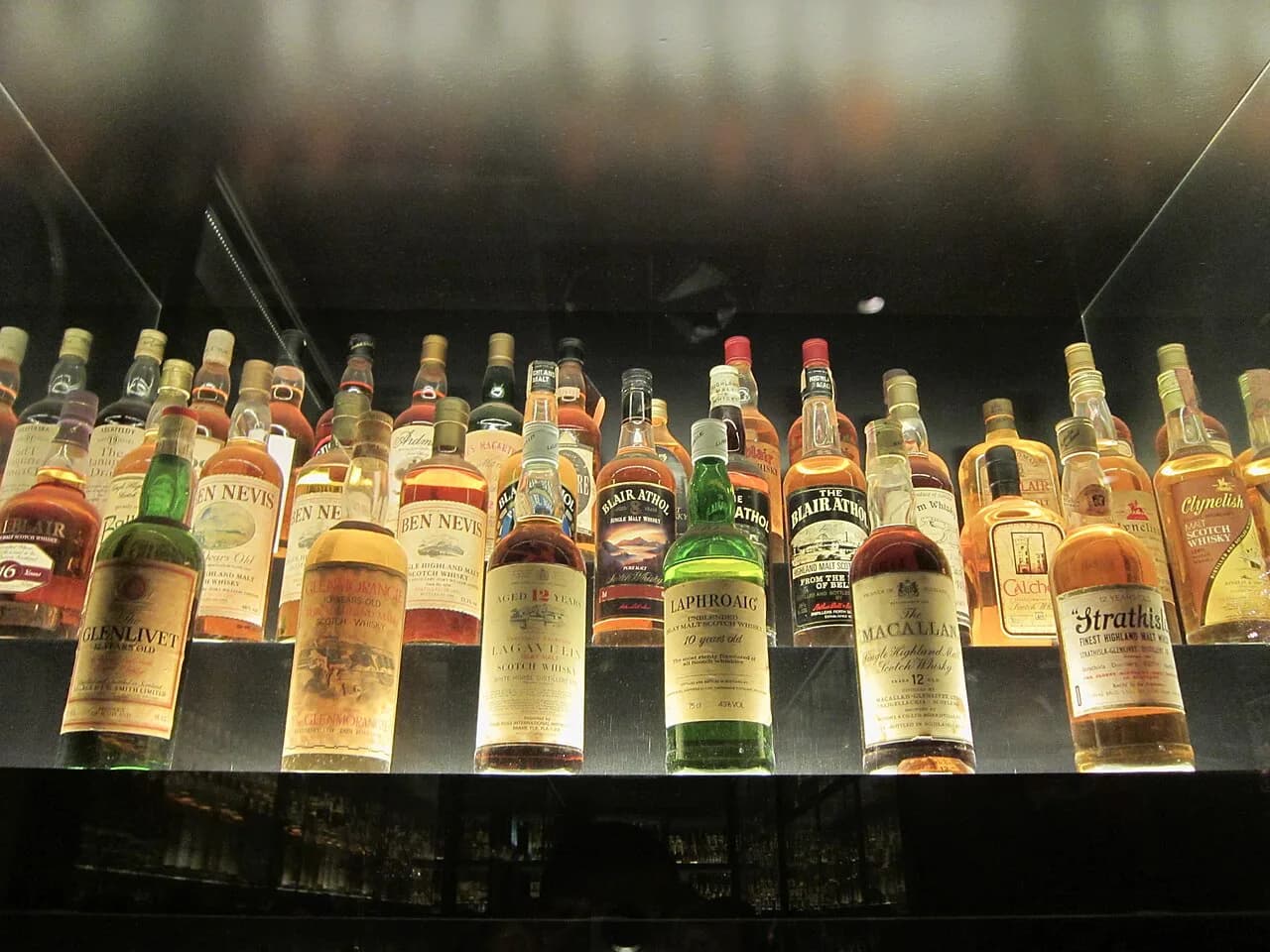
Kitchen times vary widely. Many pubs serve food all afternoon, but some close the kitchen between lunch and dinner, and rural places may stop serving earlier than city ones. It is worth checking opening hours before a long drive, and worth knowing that some small places are cash-only, so carry a little cash as a backup. Whisky is the drink to try alongside the food, and our Scotch Whisky guide explains the difference between regions and styles.
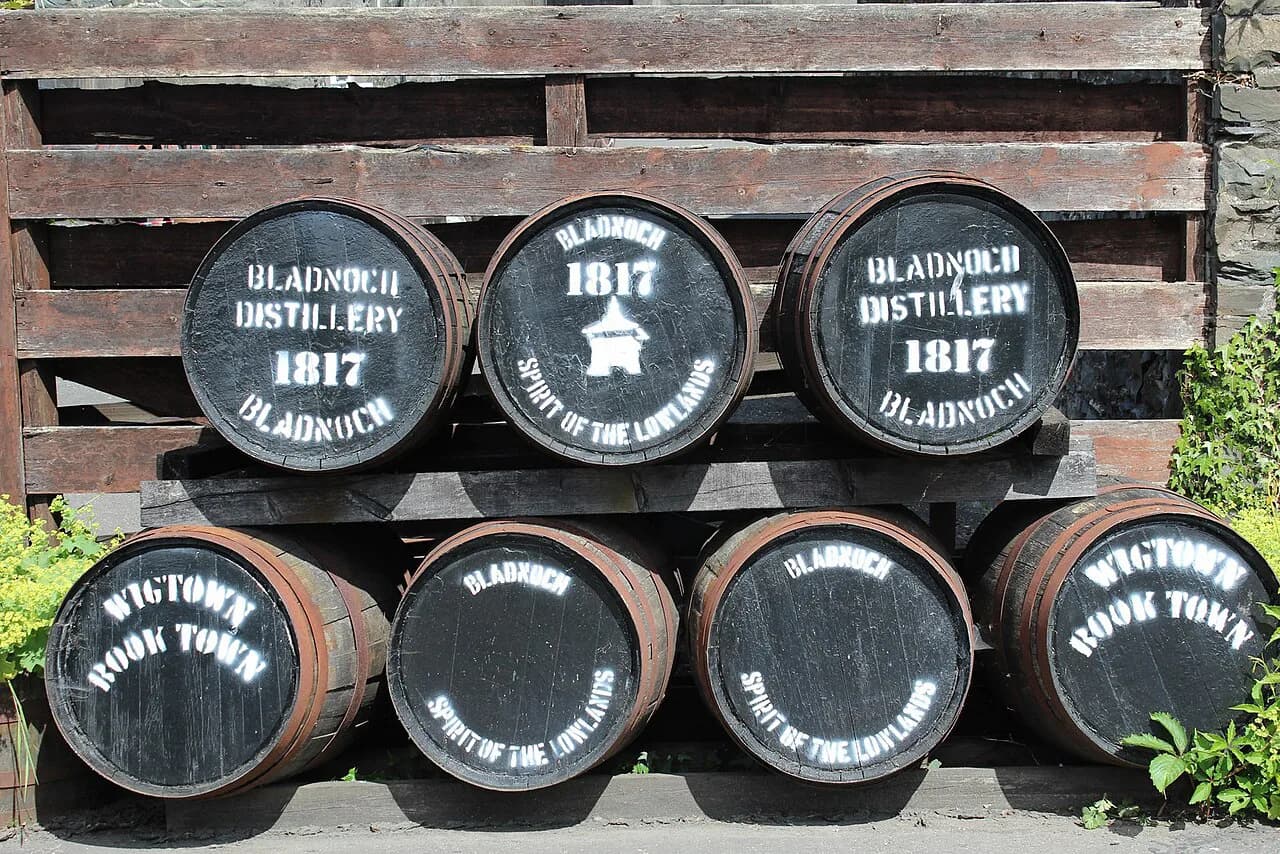
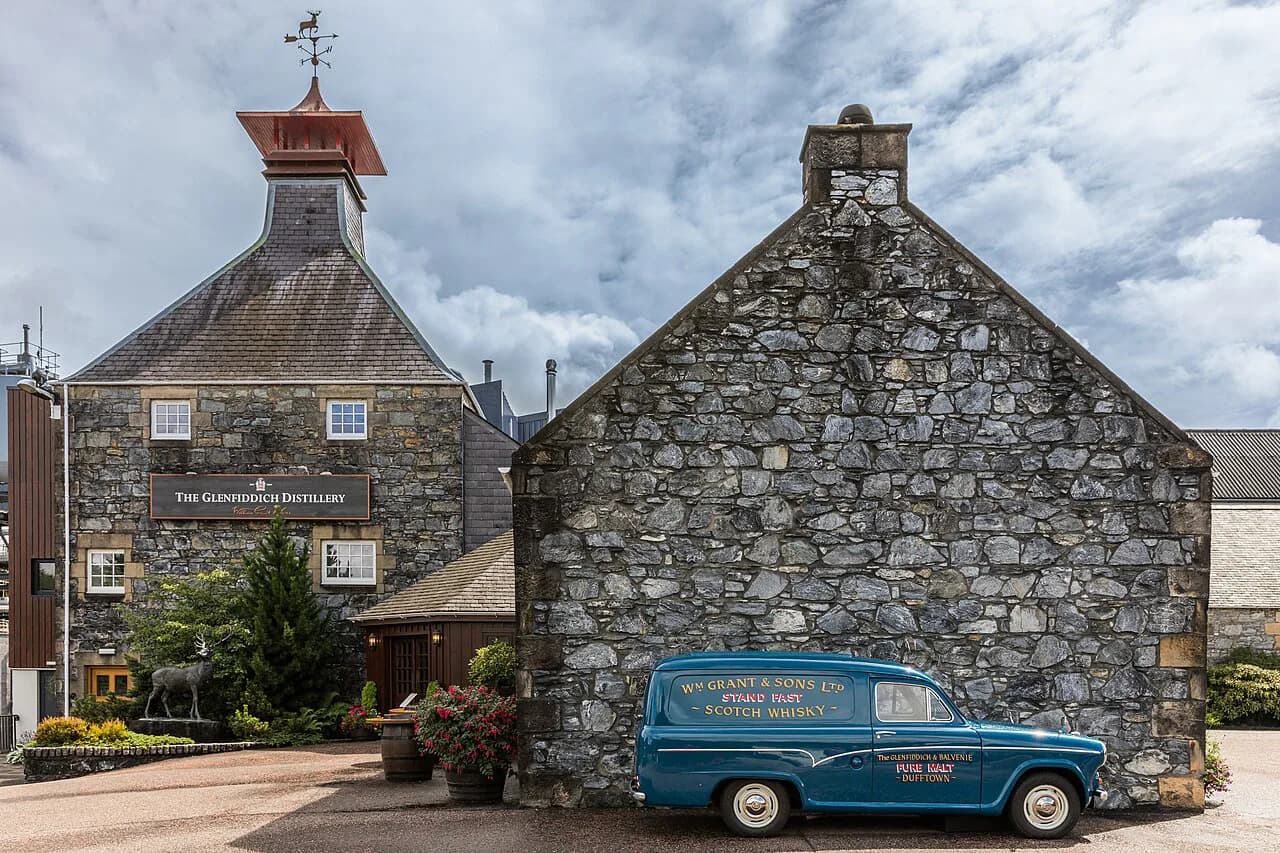
If you are visiting a whisky region, a distillery tour can be combined with a meal, and our guide to whisky distilleries in Scotland covers the main options. Speyside is one of the main areas for distilleries, with many along the River Spey and around the Cairngorms National Park, which makes it easy to visit more than one in a day.
Where to eat it: matching dishes to Scottish places
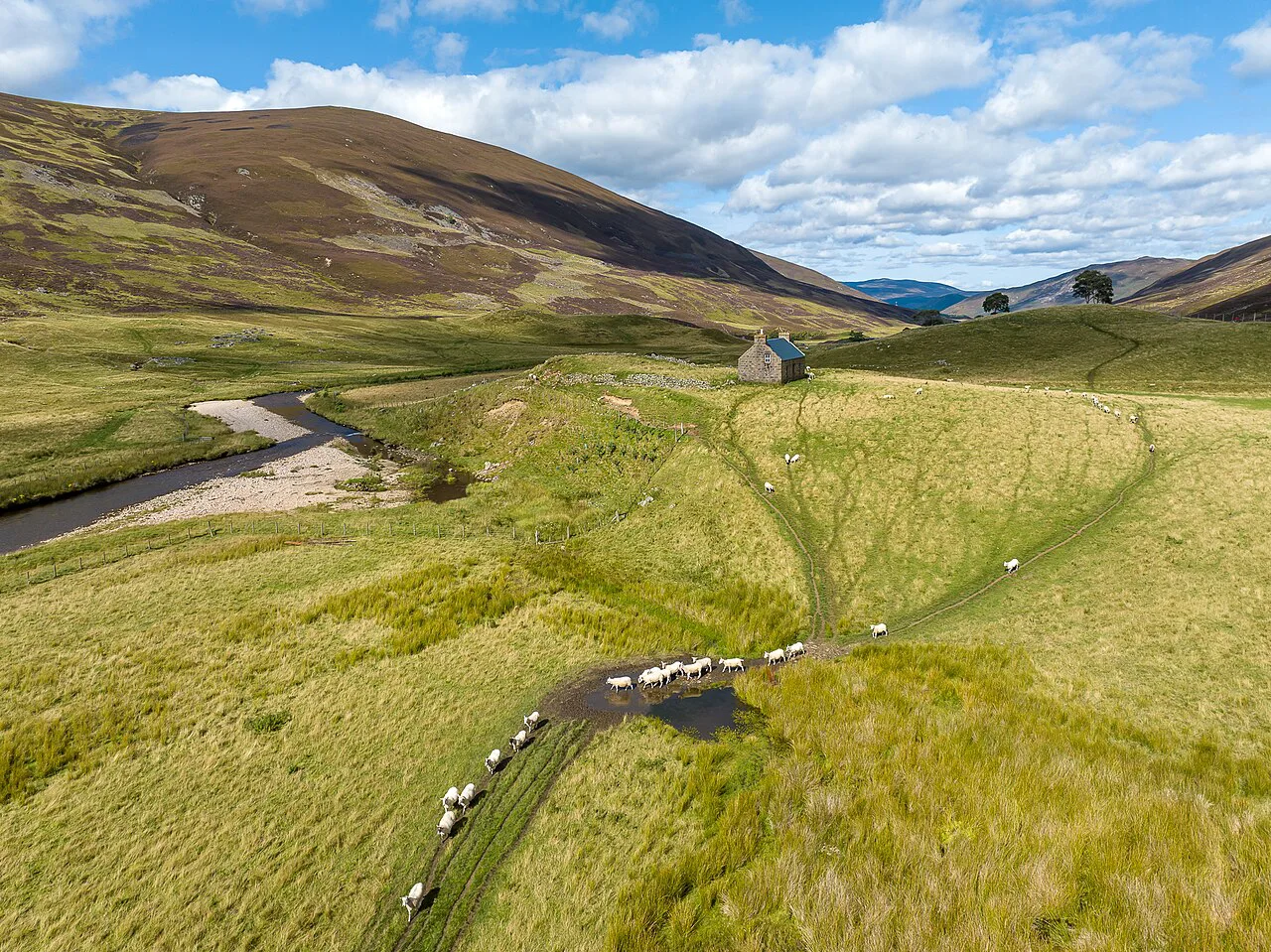
Edinburgh and Glasgow have the widest choice, from chippies to seafood restaurants, and both are good places to try haggis and Cullen skink without committing to a rural detour. Aberdeen and the north-east are the home of Arbroath smokies and Aberdeen Angus beef, so order both there. Inverness and the west coast are the places for mussels, langoustines and scallops, ideally in a harbour town where the boats come in.
Smaller towns often do the traditional dishes better than cities because they cook them for locals rather than visitors. A pub in a Highland village is a good bet for haggis, neeps and tatties, and a coastal chippy is a better bet for a fish supper than an inland one. If you are basing yourself in one city, use our city guides to find the specific places worth booking.
For whisky, Speyside and the islands are the classic destinations, and a designated driver or a tour is the sensible way to manage it. Our guide to Whisky Distilleries in Scotland explains how to plan a visit, including which distilleries are worth the detour. If you are short on time, a single distillery tour plus a good pub meal will give you a fair sense of both.
What to skip if you are short on time or squeamish
If offal is a step too far, skip the haggis and order Cullen skink, smoked salmon or a fish supper instead. If you are short on time, prioritise one seafood meal, one chippy supper and one breakfast, rather than trying to tick off every dish on a list. Many of the sweets and biscuits are easy to buy and take home, so they do not need to take up a mealtime.
The dishes most likely to disappoint are the ones that have become generic: a frozen fish supper in a tourist-heavy street, or a haggis that has been reheated rather than freshly cooked. Order where the menu is short and the place is busy with locals, and you are more likely to eat well.
Which Scottish dishes should you order first?
Start with haggis, neeps and tatties, then Cullen skink, then a haddock supper, and you will have covered the dishes that define Scottish food. Add a smoked fish starter, a bowl of mussels or a cranachan if you have more meals to spend, and try a full Scottish breakfast at least once. The order matters more than the list: eat the traditional dishes in the places that specialise in them, and leave the generic menu items alone.
Before you travel, check the specific places you plan to eat for current opening times and whether they take bookings, especially for Sunday lunch or a seafood dinner. Menus and prices change, so look at the door or the website rather than relying on an old guide.
Explore more Scotland guides
Sources
Notes on eating out in the UK
Optional updates when our city guides change.
You might also like
Continue reading
More guides you'll find useful