Whisky Distilleries in Scotland: Which to Visit and Where
A practical guide to choosing a Scottish whisky distillery to visit, from peaty Islay drams to fruity Speyside malts, with tour and travel trade-offs.
On this page
Choose your Scottish distillery by flavour before you choose it by postcode: if you like smoke, head for Islay; if you are new to whisky, a Lowland or Speyside tour will be gentler on the palate. This guide sorts the options by what you actually want from the day, then covers booking, driving and what happens once you are inside the gates.
Scotland has more than 150 malt and grain distilleries, so the hardest part is narrowing the shortlist rather than finding one. Most sit in the countryside, hours vary by season, and a tour booked ahead is the surest way to secure a place.
What you are actually choosing between: five whisky regions and their flavour profiles
Scotland's whisky map splits into five working regions, and each one gives you a different dram and a different day out. Islay is the smoke-and-sea choice, Campbeltown is small but fiercely distinctive, Speyside is fruity and approachable, the Lowlands are light and grassy, and the Highlands cover everything from heather honey to citrus and chocolate. Pick the flavour you enjoy first, then fit the geography around it.
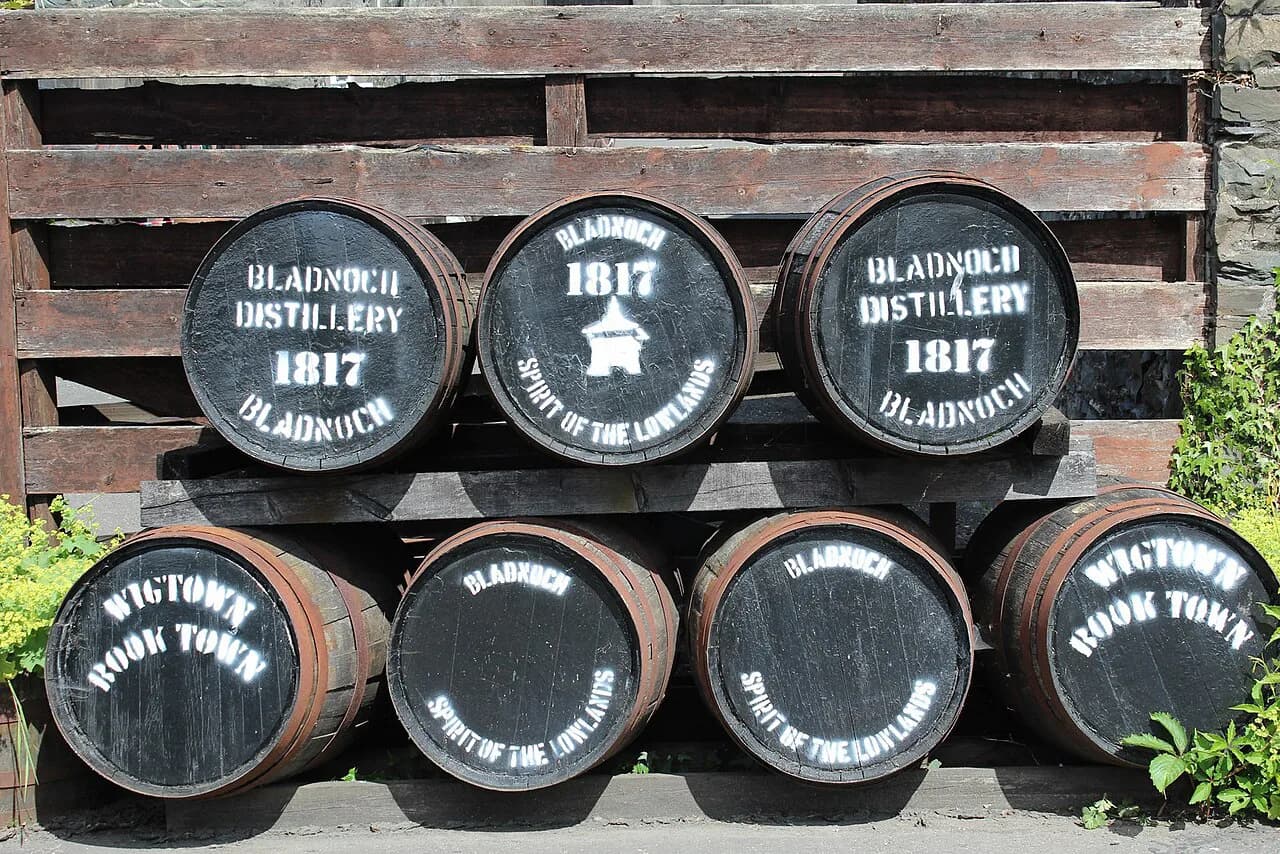
Speyside holds the highest concentration of distilleries in the country and is the easiest region to tour in a single loop, with silky, sweet single malts that suit most palates. The Lowlands, by contrast, are the beginner's friend: soft, floral whiskies with cream and vanilla notes, and easy rail access from Glasgow and Edinburgh.
Think of the regions as a rough guide rather than a rule, because individual distilleries within a region can taste quite different from one another. Reading a distillery's own tasting notes before you book will tell you more than the regional label alone, and it is worth checking current tour prices and dates with the distillery directly, as they vary by season.
If you are new to whisky: start with a gentle Lowland or Speyside tour
For a first tour, a Lowland distillery is the low-risk choice: lighter drams, softer flavours and a location that does not demand a long rural drive. Glenkinchie runs a visitor experience built around exactly this kind of introduction, and the Port of Leith Distillery gives you a city-based stop on a trip to the capital.
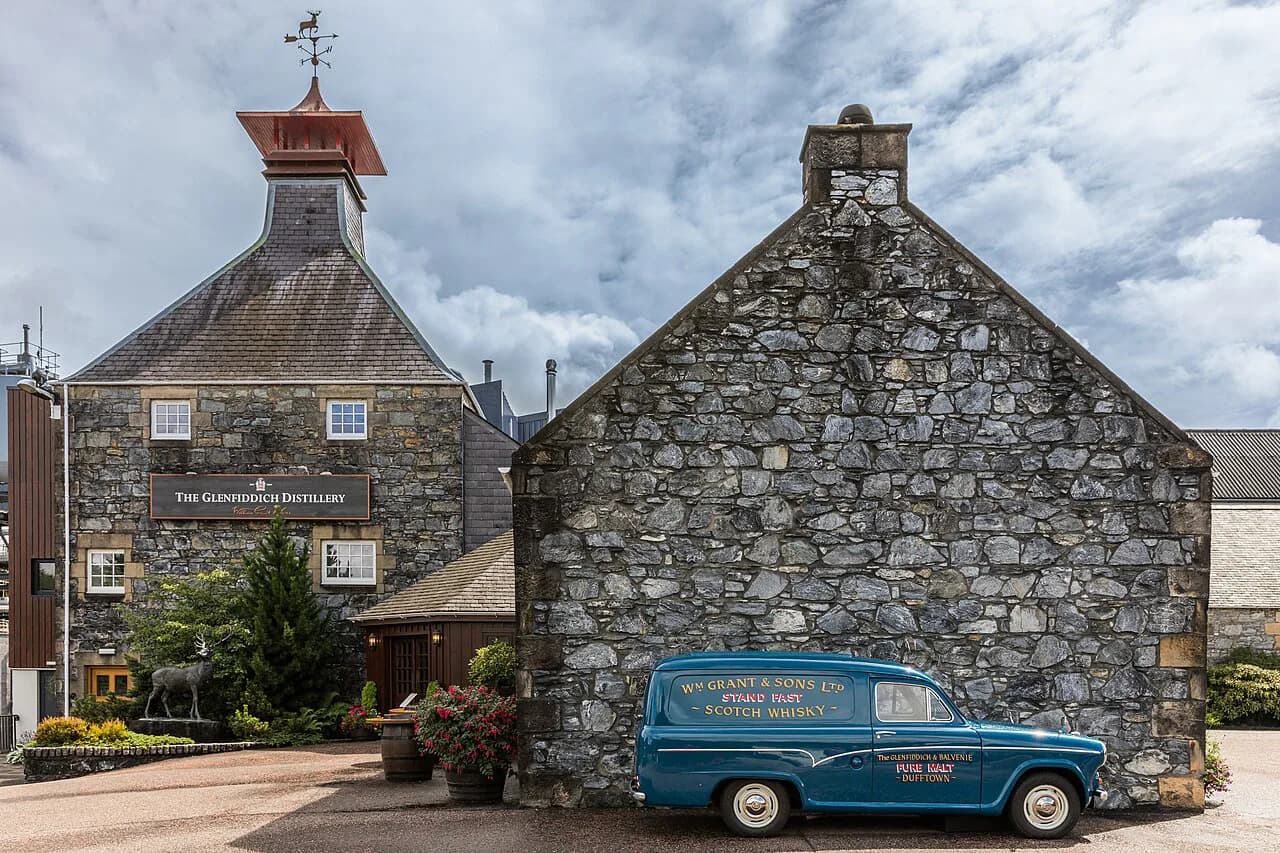
Speyside is the other sensible starting point, with approachable, fruity malts and a dense cluster of visitor-ready sites around the River Spey. Glenfiddich and The Glenlivet are the household names here and make a natural anchor for a Speyside day.
If you are unsure which style you like, a tasting flight before committing to a full tour is the cheaper way to find out. Many visitor centres pour small samples across their range, which saves you booking a long tour at a distillery whose house style turns out not to be yours.
If you love smoke: the Islay south coast cluster and what makes each stop different
Islay is the pilgrimage for peat fans, with big, smoky drams and a coastline that puts sea salt in the glass as much as the air. The south coast is the efficient choice: several famous distilleries sit close together, so you can compare different takes on peated whisky in one day without driving far between them.
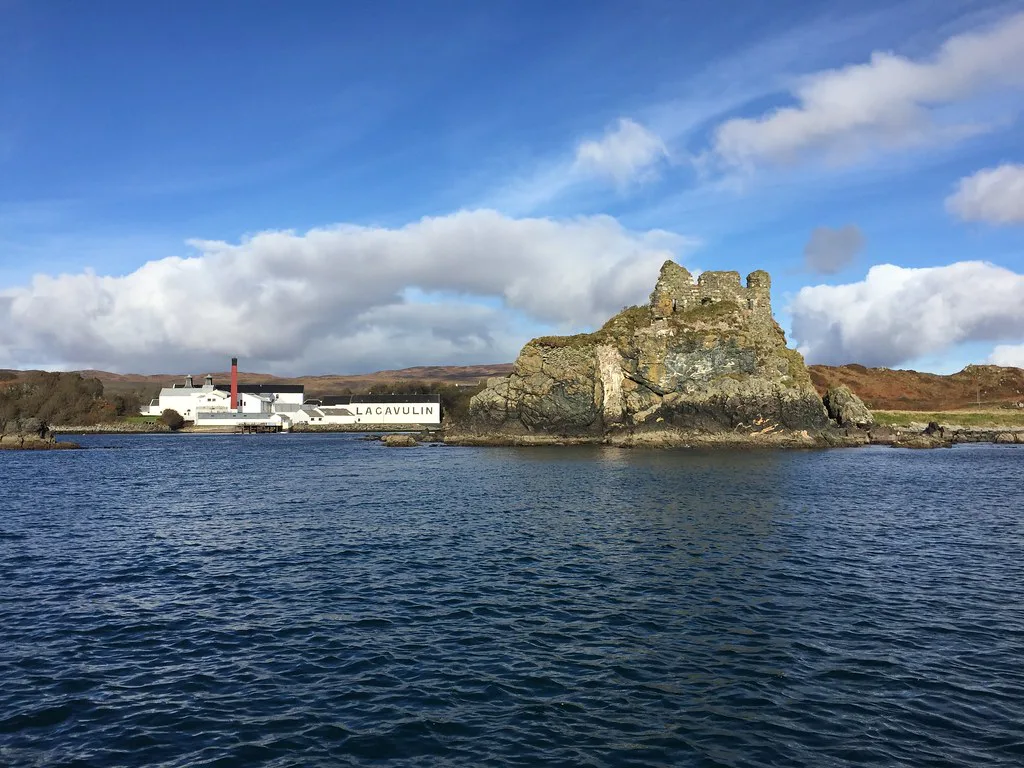
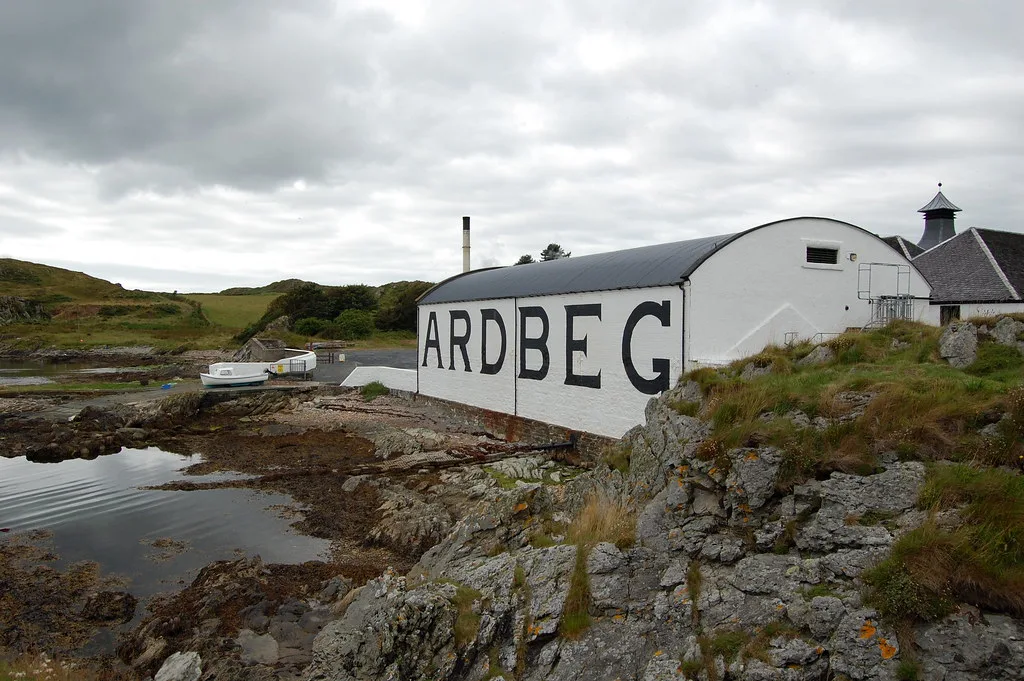
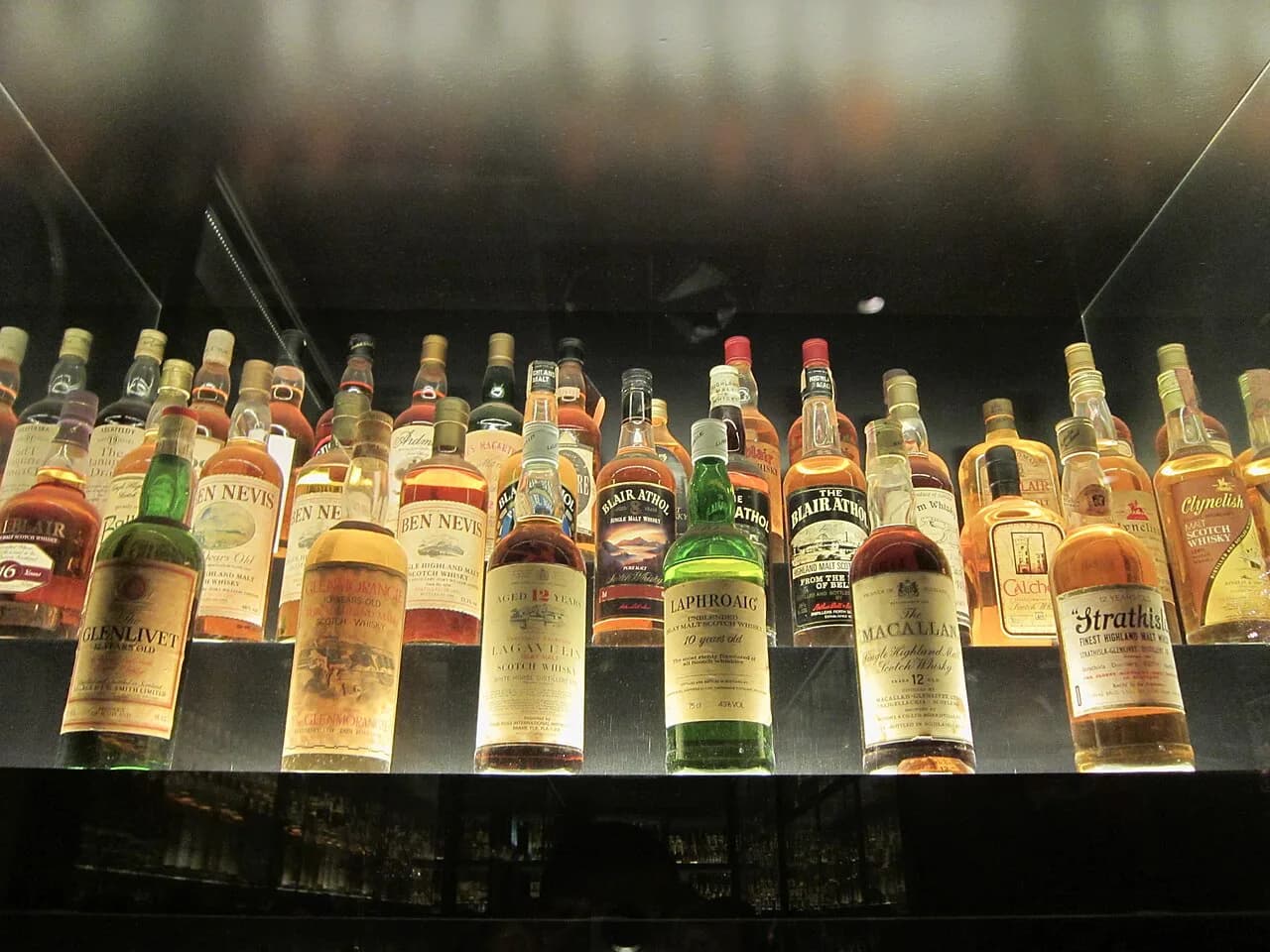
Bowmore sits on the shore of Loch Indaal and is one of Scotland's oldest distilleries, making it a natural anchor for an Islay day. On the south coast, Laphroaig, Lagavulin and Ardbeg sit within a couple of miles of each other, and ferry timings shape how many stops you can realistically fit, so build the day around the boat rather than the other way round.
Campbeltown, on the Kintyre peninsula, is the other smoky-adjacent option, with a handful of distilleries each carrying a strong identity. Springbank is the one to seek out if you want to see traditional floor maltings, where barley is still turned by hand across open concrete floors.
If you want scenery with your dram: Highland and island distilleries worth the drive
The Highlands stretch from coastal cliffs to heather-covered mountains, and the whiskies follow the landscape, running from heather honey to citrus, red apples and milk chocolate. That variety and the scenery make this the best region if the drive is part of the pleasure rather than a chore.
On Skye, Talisker is the established name, and Torabhaig is a quieter alternative if you want to avoid the crowds; the Isle of Raasay Distillery gives a genuinely small-scale visit. Further north, Wolfburn in Thurso is a small working site rather than a large visitor centre, while Jura tends to deliver small-group visits, which suits anyone who wants to talk to the people making the spirit.
If you want a heritage-led stop on the Kintyre peninsula, Springbank's hand-turned floor maltings at Campbeltown are the reason to go, with traditional malting on open concrete floors.
If you are travelling from a city: distilleries reachable from Inverness, Aberdeen, Glasgow and Edinburgh
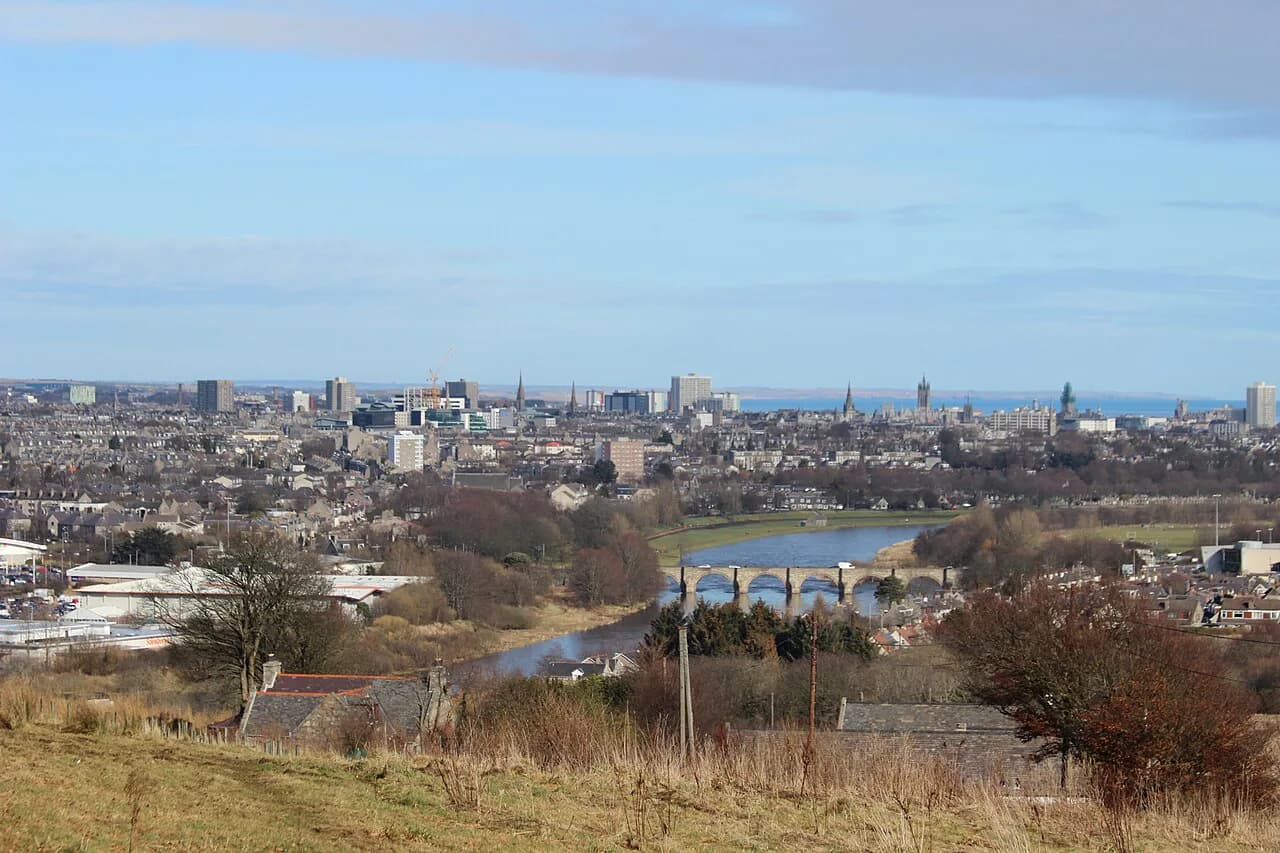
You do not need to disappear into the hills to tour a distillery. Edinburgh gives you Glenkinchie to the east and Port of Leith in the city itself; Aberdeen puts you on the doorstep of Speyside; and Inverness is the natural base for Highlands tours.
The trade-off with a city base is time in the car: Speyside and Islay both reward an overnight stay rather than a there-and-back run. If your trip is short, pick the nearest cluster and go deeper rather than trying to tick off distilleries across three regions.
Guided day tours from Edinburgh, Inverness and Glasgow solve the driving problem if you want to taste properly, and multi-day tours cover the far-flung regions without you planning the route. Public transport can get you to some distilleries, but rural timetables are thin, so check connections before you commit to a car-free plan.
Big-name tours versus small distilleries: crowds, intimacy and what each gives you
The famous names deliver polished visitor centres, well-drilled tours and a reliable tasting, which is exactly what you want on a first visit or in poor weather. The cost is volume: you will likely share the tour with a large group, and the pace is set by the crowd rather than your curiosity.
Smaller working distilleries go the other way. Visits can be informal, close to the production floor and led by people who make the spirit, as at Wolfburn or the smaller island sites where you may find yourself in a group of two. You give up some of the polish and certainty of a big visitor centre in exchange for a proper conversation about the whisky.
A sensible compromise for a mixed group is one headline tour plus one small stop on the same trip. You get the full explanatory tour and the intimate one, and you will come away better able to tell which style of visit suits you next time.
Architecture and heritage-led visits for non-drinkers and mixed groups
Distillery tours work even for the non-drinker in the group, because the story is as much about process, buildings and people as it is about the glass. You will see malt being turned, stills at work and warehouses where casks mature, and the guides are usually the most enthusiastic people on the site.
For heritage-led stops, Springbank's traditional maltings and the Victorian-era brickwork around Campbeltown are worth the detour, and Campbeltown's handful of distilleries each carry a strong identity of their own.
Whisky first appears in the historical record in 1494, in the Scottish Exchequer Rolls, where eight bolls of malt were allocated to Friar John Cor to make aquavitae. That single line is worth knowing before you walk into a tour, because it anchors Scotland's claim to a very long relationship with the drink.
How to plan a distillery day: booking, driving, and winter opening
Most Scottish distilleries open daily, but hours vary, especially in winter, so check ahead and book a tour if you have your heart set on a particular site. Booking is the safest way to guarantee your spot, and it matters most on islands and at small sites with limited staff.
If you are driving, pick a single region and keep the mileage modest: Islay's south coast cluster and Speyside's dense spread both reward a slow day rather than a tick-list. If you plan to taste, book a guided tour or agree a designated driver, because the rural roads are not the place to test your palate and your reaction times together.
Build in slack for ferries, single-track roads and the weather, all of which can add an hour to a Highland day without warning. A plan with two distilleries rather than four usually means you actually enjoy both.
What the tour actually involves: malting floors, stills, warehouses and the tasting
A typical tour walks you through the process in order: malted barley, mashing, fermentation, distillation in copper stills and maturation in oak casks. At traditional sites you will see floor maltings and smell the kiln; at modern sites the emphasis shifts to the still room and the warehouse.
The tasting at the end is where the tour earns its keep, usually a small lineup of the distillery's core range with a guide talking you through what you are smelling and why. You will hear the phrase Angel's share for the portion that evaporates from the cask during maturation, typically one to two per cent a year.
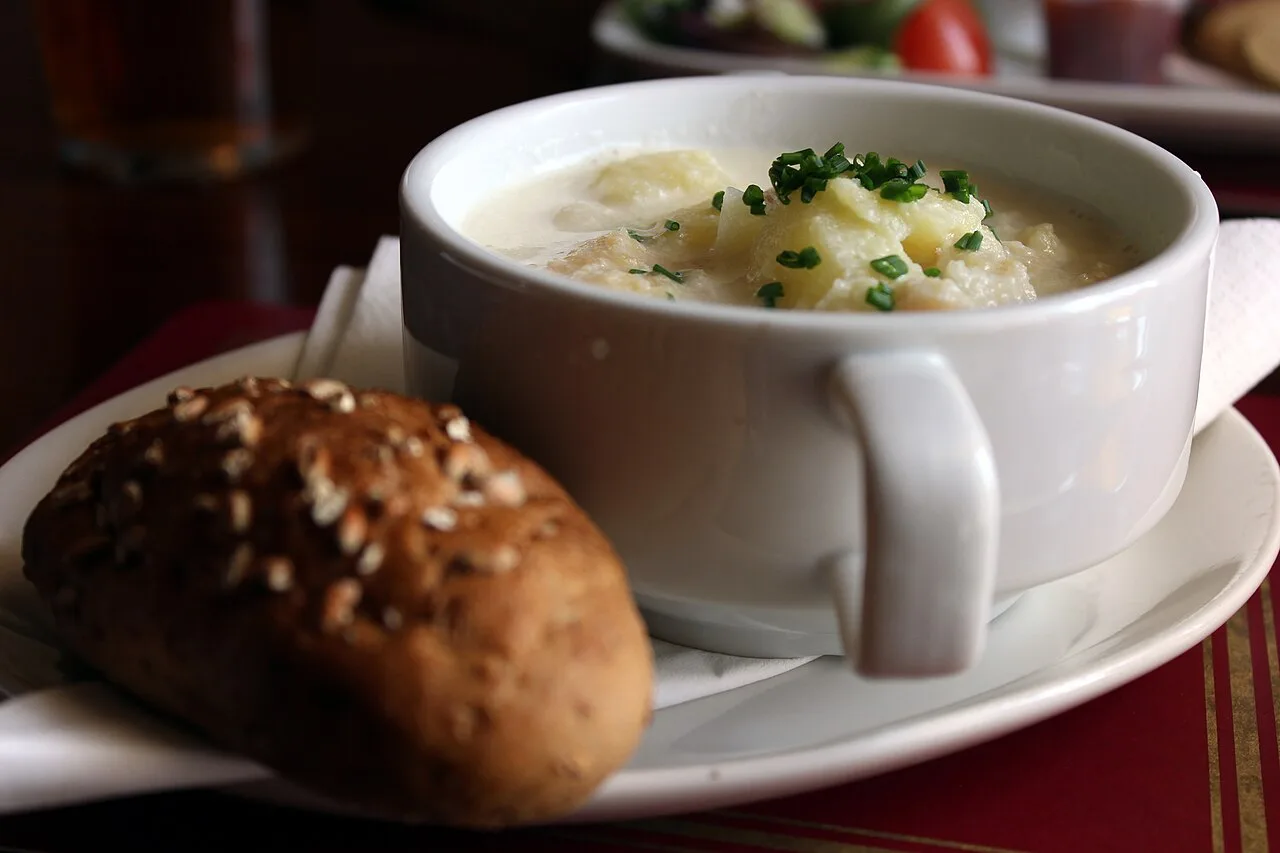
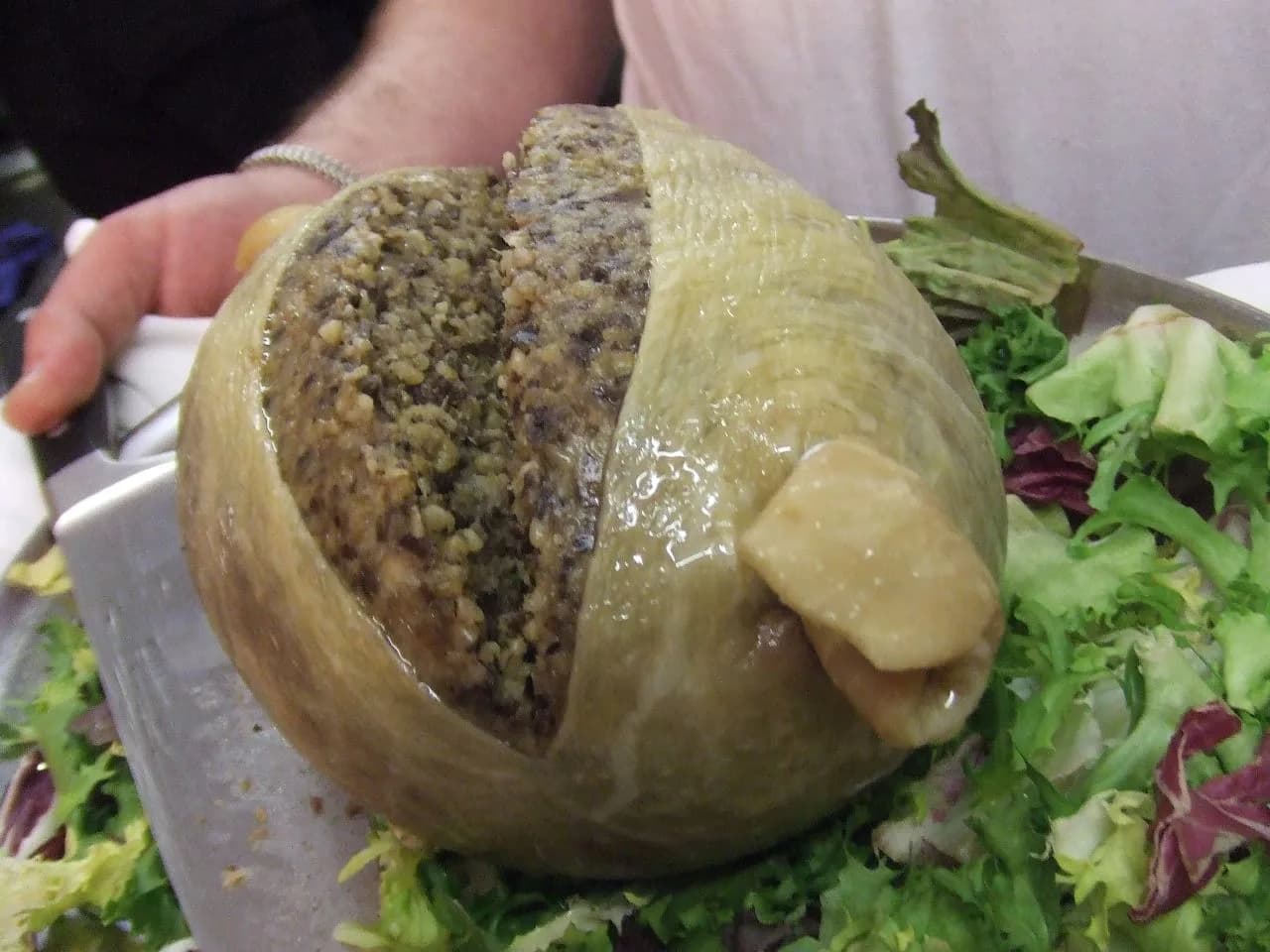
Tours rarely include a full meal, so plan lunch around the visit rather than expecting the tasting to cover it. A plate of haggis or a Scotch pie beforehand will do you better than an empty stomach and three drams.
Whisky terms you will hear on the tour: dram, cask strength, Angel's share
A dram is simply a small serving of whisky, and the size is a matter of hospitality rather than law. Cask strength means the whisky was bottled straight from the cask without dilution, typically somewhere between 50 and 65 per cent ABV, so a little goes a long way.
Scotch whisky must be aged for a minimum of three years in oak casks in Scotland, which is why the youngest age statement you will see on a bottle is three years. Anything older has simply spent longer in the warehouse, picking up colour and flavour from the wood.
Single malt means whisky from a single distillery made from malted barley, while blended Scotch combines whiskies from more than one distillery. Neither is better than the other; they are different routes to a glass, and knowing the difference helps you choose a tour that matches your taste.
Which distillery should you book first?
If you know you like smoke, book an Islay day around Laphroaig, Lagavulin and Ardbeg on the south coast, and add Bowmore as the island anchor. If you are new to whisky, start with a Lowland tour at Glenkinchie or a Speyside stop at Glenfiddich or The Glenlivet, then branch out once you know your palate.
For scenery and a sense of occasion, the Highland and island sites, from Torabhaig on Skye to Wolfburn in Thurso, justify the drive. Whichever you pick, confirm the day's opening and book the tour before you travel, especially outside summer, and round off the day with a proper plate of Scottish food rather than a bag of crisps in the car.
Sources
Notes on eating out in the UK
Optional updates when our city guides change.
You might also like
Continue reading
More guides you'll find useful