Scotch Whisky Guide: Styles, Regions & Tasting in Scotland
Work out what you actually like before you buy: how single malt and blended Scotch differ, what regions and age statements tell you, and how to taste it at home.
On this page
If you are new to it, start with a blended Scotch or a light, unpeated single malt and taste before you spend much: Scotch rewards curiosity more than big spending. This guide covers what Scotch legally is, the four main types, what age statements do and do not promise, how peat and region shape flavour, and how to taste and buy sensibly.
It is written for people planning a Scottish trip or choosing a bottle at home, so the emphasis is on decisions: what to try first, what you are paying for, and when a distillery visit is worth the detour. Named places, tours and opening arrangements are covered only where they help you plan.
What legally counts as Scotch whisky
Scotch whisky must be made in Scotland and matured in oak casks for at least three years. Those rules are what separate Scotch from other grain spirits and why the name is protected so fiercely. A bottle labelled Scotch is therefore a product of a specific place and process, not a style descriptor like 'craft' or 'premium'.
For a buyer, the practical point is that the label tells you more than most spirits labels do: the category, the region sometimes, and the age if one is stated. It does not tell you whether you will like it. The Scotch Whisky Association publishes the production rules and background for anyone who wants the detail before choosing.

The four main types, and which to pick first
Single malt comes from one distillery and is made from malted barley; blended malt mixes single malts from more than one distillery; blended grain uses grain whisky; and blended Scotch combines malt and grain whisky. Most supermarket bottles at the affordable end are blended Scotch, which is why it is the sensible entry point for a newcomer.
If you want to understand what a distillery's character tastes like, a single malt is the clearer teacher because nothing else is in the glass. If you want a dependable bottle for a crowd, a blend is the safer buy. Neither is better in the abstract; they answer different questions.
Whisky or whiskey: when the spelling matters
Scotland, Canada and Japan generally spell it whisky, while Ireland and the United States usually use whiskey. The spelling on the label is a useful signal of origin, but it is a convention rather than a guarantee about quality. If the bottle says Scotch, the spelling will nearly always be whisky.
Single malt versus blended: character against consistency
A single malt gives you one distillery's personality, which can be brilliant or simply not to your taste. A blend is built to taste the same every time, which is exactly what many drinkers want from a house bottle. The trade-off is curiosity versus reliability, and it should decide your purchase before the age statement does.
Beyond the age number, you are paying for cask type, the proportion of older whisky in a blend, and the reputation of the distillery. A higher age is not automatically a better drink, and a well-made younger bottling can beat an older one you dislike. Spend according to what you have enjoyed before, not according to the biggest number on the shelf.
How to read an age statement
An age statement gives the age of the youngest whisky in the bottle, not the average or the oldest. A 12-year-old may contain much older spirit, but nothing in it is younger than 12 years. That is why age is a floor for maturity, not a score for quality.
Peat and smoke: what changes in the glass
Peat is burned to dry malted barley, and the smoke it gives off flavours the grain; how heavily that happens varies hugely between distilleries. Heavily peated whisky can taste medicinal, tarry or ashy, while unpeated spirit tastes fruitier and cleaner. If you have never tried peat, ask for a small measure before committing to a bottle.
Not every coastal or island malt is smoky, and not every smoky malt comes from an island, so use the tasting note rather than the map. If smoke puts you off, say so when choosing and you will be steered towards lighter spirit.
Choosing by flavour rather than by region
Think in four broad camps. Light and grassy styles suit aperitif drinking and nervous beginners; rich, sherried styles bring dried fruit and spice and suit colder evenings; smoky and coastal styles are an acquired taste worth trying in a small measure; and malty, honeyed styles sit comfortably in between. These are tendencies, not rules, and individual bottlings vary.
Use the back label or a shop's tasting notes to place a bottle in one of those camps, and ignore the region name until you already know what you like. Flavour language travels better than geography.
What the regions give you in practice
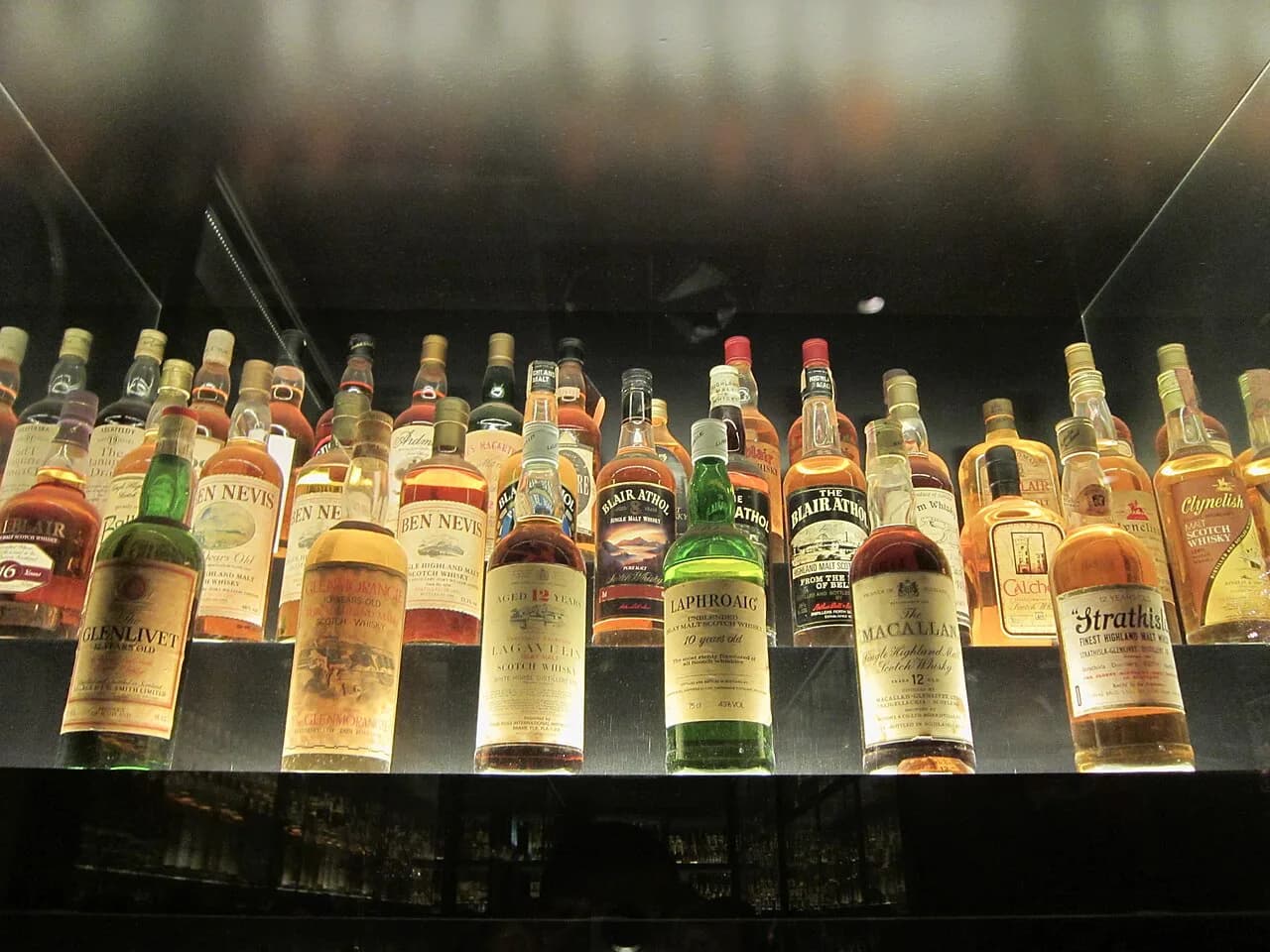
Region names are broad tendencies rather than guarantees: Islay malts are often associated with peat and maritime notes, Speyside has a high concentration of distilleries and many lighter, fruitier examples, the Highland area spreads across a huge range of styles, and Lowland spirit tends towards lighter, grassier drams. Treat all of this as a starting hypothesis and taste before assuming.
The Scotch Whisky Association states that Scotland has over 150 malt and grain distilleries, the greatest concentration of whisky production in the world, which is why a short drive can take in several very different houses. For trip planning across the main concentrations, see this guide to whisky distilleries in Scotland and, if you are heading north-east, these Speyside distilleries along the River Spey.
How to taste it at home without buying kit
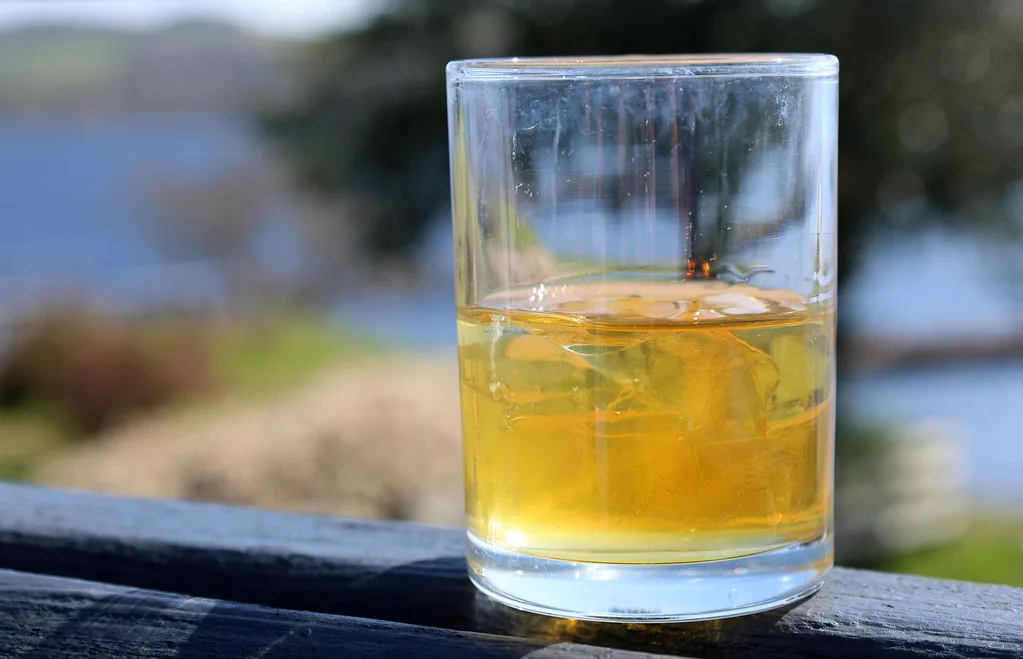
Any clean tumbler will do. Pour a small measure, smell it before you taste, then add a few drops of water and smell again: water often opens up the aroma and takes the edge off the alcohol. Take small sips rather than mouthfuls, and give it time rather than judging on the first sip.
If you own a proper nosing glass, use it, because the narrowed shape concentrates aroma, but do not buy one before you know you enjoy the drink. Taste light styles before smoky ones, since peat lingers and will dominate whatever follows. Keep the bottle out of direct sunlight and upright, and it will hold up for months after opening.
How to buy: size, own-label and keeping a bottle
Small bottles and miniature sets are the cheapest way to find out what you like before buying a full bottle. Read the label carefully, because the information it carries varies a lot between brands. For a gift or a special bottle, a named distillery bottling gives you more information to go on.
Once opened, a bottle slowly changes as air gets in, more so when it is nearly empty. Drink it within a reasonable few months of opening, keep the cork or cap on tight, and store it away from heat and light. Check a shop or distillery's own page for current prices and availability rather than relying on older figures.
Planning a distillery visit
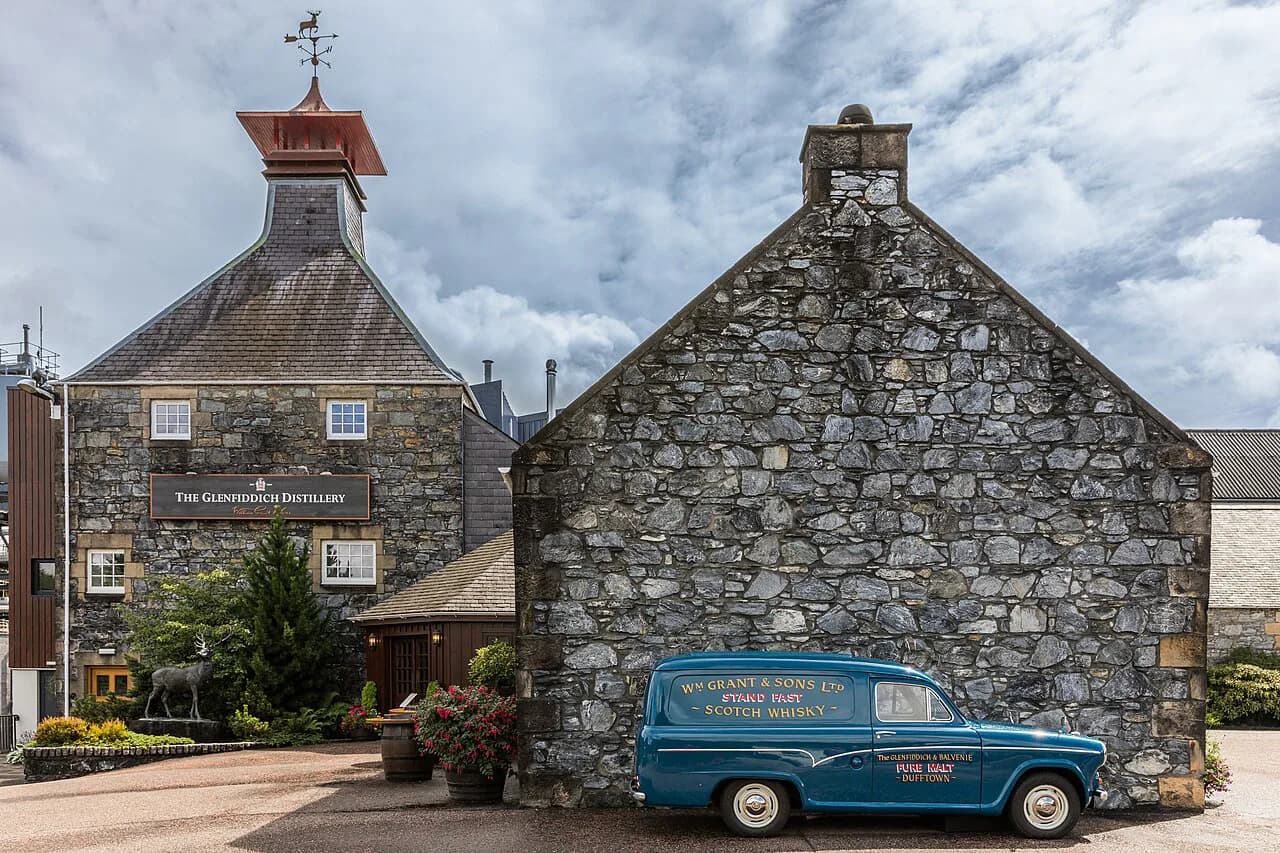
A tour usually covers the process, the stills and a tasting, and the value lies in seeing how the spirit is made rather than in the size of the gift shop. Ask in advance whether the standard tour includes a tasting, how long it takes and whether you need to book; those details change between sites and seasons. Check the distillery's own website rather than a third-party listing.
Plan around a driver if you want to taste properly, and remember that many distilleries sit well outside the nearest town, so transport is part of the planning. A single visit near a city you are already in is often the better use of an afternoon than a long detour.
Scotch with Scottish food
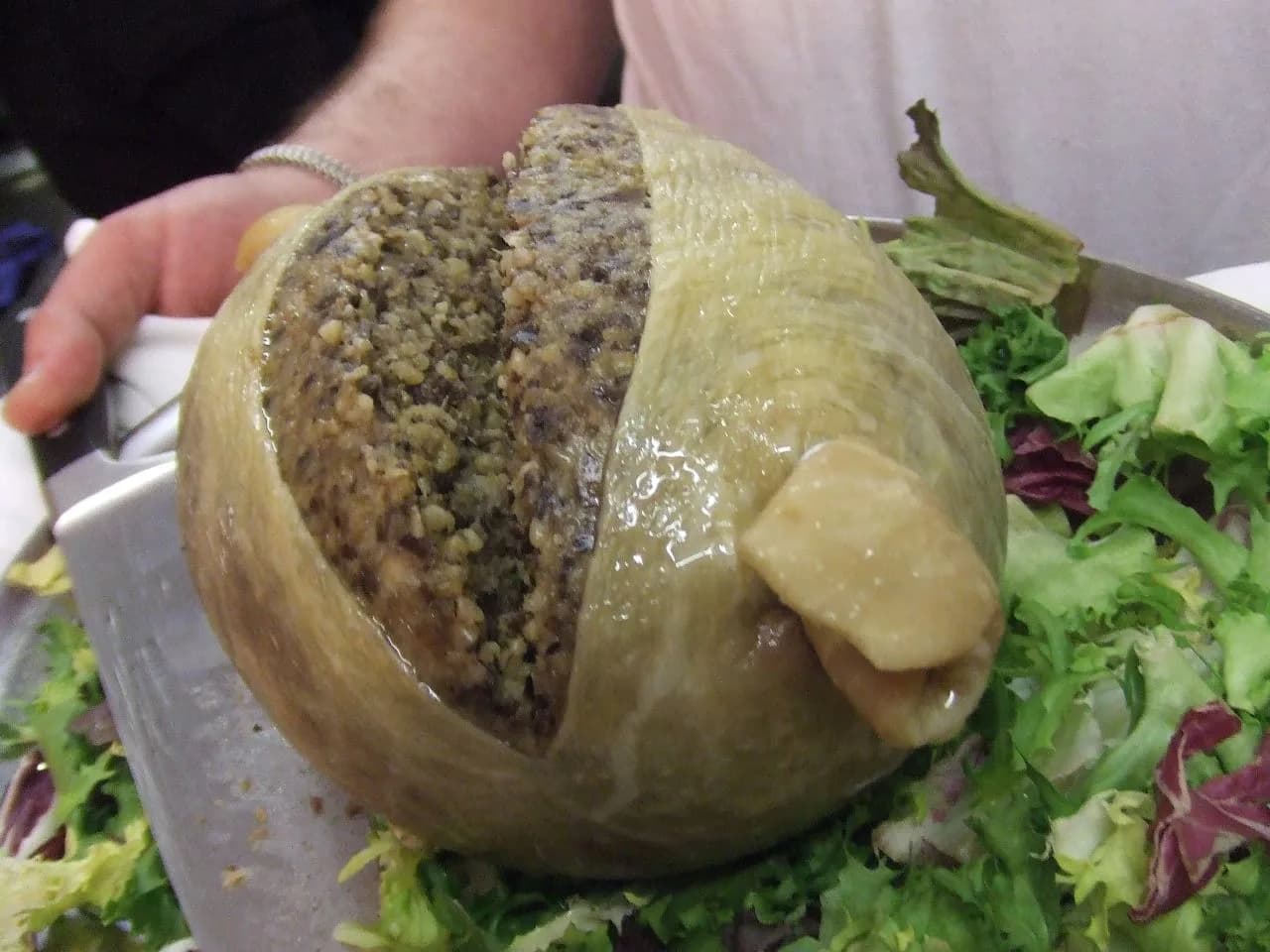
At the end of a meal, a light dram works better after seafood, while a richer, sherried one suits cheese and heavier puddings. Whisky sauce is a classic partner for haggis, neeps and tatties, and the same flavours show up across Scottish cooking. For the wider picture of what to eat, start with this guide to Scottish food.
The trade in brief
Scotch is one of the UK's biggest food and drink exports, and the industry's trade body campaigns on duty and tariffs, arguing that cuts support growth. Treat those claims as the industry's stated position rather than settled fact. For figures, the Scotch Whisky Association publishes its own statistics online.
Which bottle should you buy first?
Start with a small measure of a blended Scotch or a light single malt, decide whether you lean fruity and clean or smoky and rich, then buy a full bottle in that camp. That sequence costs you least and teaches you most.
If you are planning a Scottish trip, build one distillery visit into a day you are already spending nearby, and check its own website for tours, times and bookings. Pair the dram with a proper Scottish meal rather than treating it as a separate hobby.
Frequently Asked Questions
Does a higher age mean better whisky?
Not necessarily. An age statement gives the age of the youngest whisky in the bottle, so it is a floor for maturity rather than a mark of quality. Cask type, distillery style and how the spirit was matured all matter, and a younger bottling can suit your taste better than an older one.
How long does an opened bottle of Scotch keep?
It does not spoil in the way wine does, but it slowly changes once air is in the bottle, and the change speeds up as the level drops. Keep the cap tight, store it upright away from heat and sunlight, and aim to finish it within a few months for the flavour you first tasted.
Is Scotch whisky suitable for a complete beginner?
Yes, if you start gently. Try a small measure of blended Scotch or a light, unpeated single malt, add a few drops of water, and taste before buying a bottle. Leave heavily peated whisky until you know whether you like smoke, and taste it in a small measure first.
Sources
Notes on eating out in the UK
Optional updates when our city guides change.
You might also like
Continue reading
More guides you'll find useful