Speyside Distilleries: A Practical Guide to Visiting
How to plan a visit to Speyside's distilleries, from the famous names open to visitors to getting there, booking ahead and sorting out who drives.
On this page
Plan for one big distillery tour and one shorter stop rather than three full tours in a day: Speyside's sites are spread across a rural area, and the driving between them eats the time you meant to spend at the mash tun. The region lies inland from the Moray coast, roughly between Inverness and Aberdeen, with the River Spey running through it and the Cairngorms National Park on its southern edge. This guide covers where Speyside is, which famous names welcome visitors, smaller sites worth a detour, and the practical business of booking, travelling and staying sober enough to drive.
What Speyside means for whisky
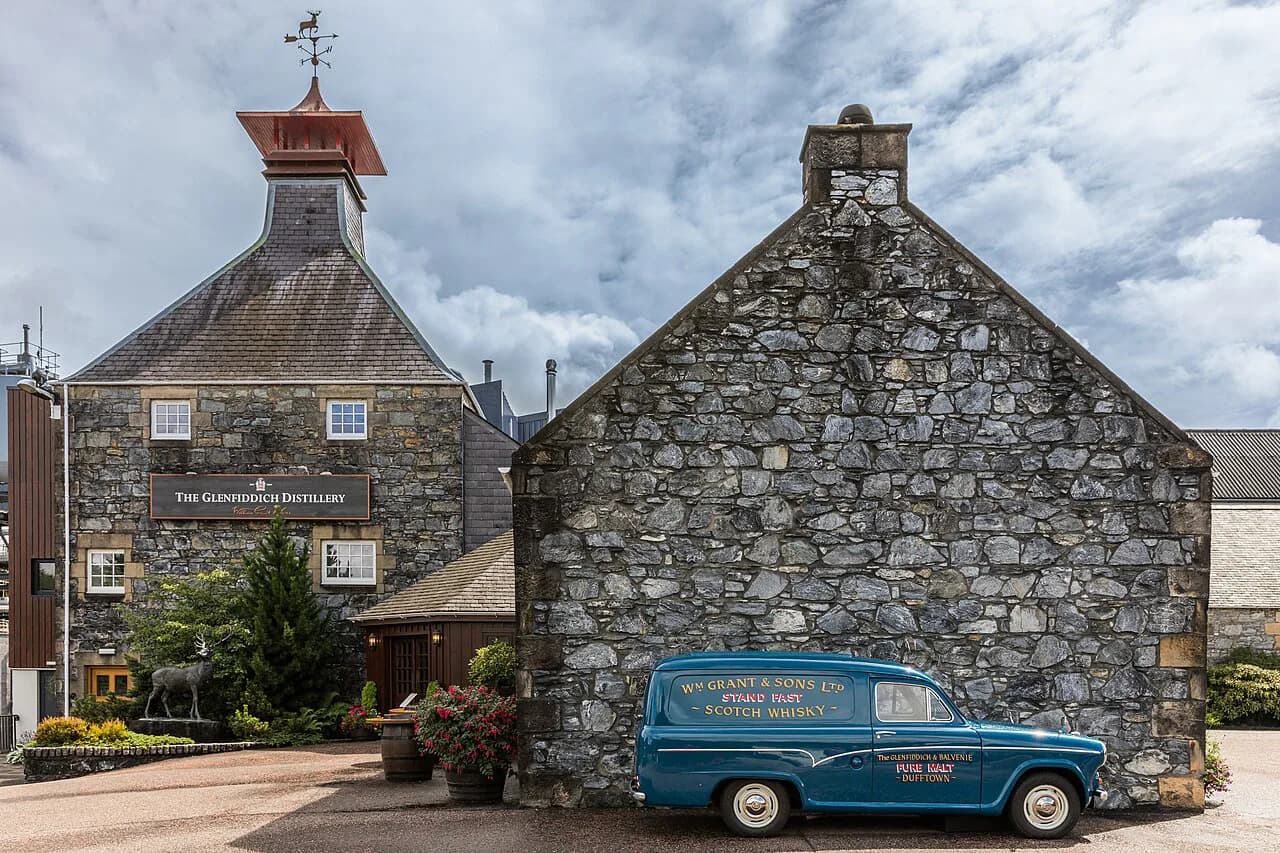
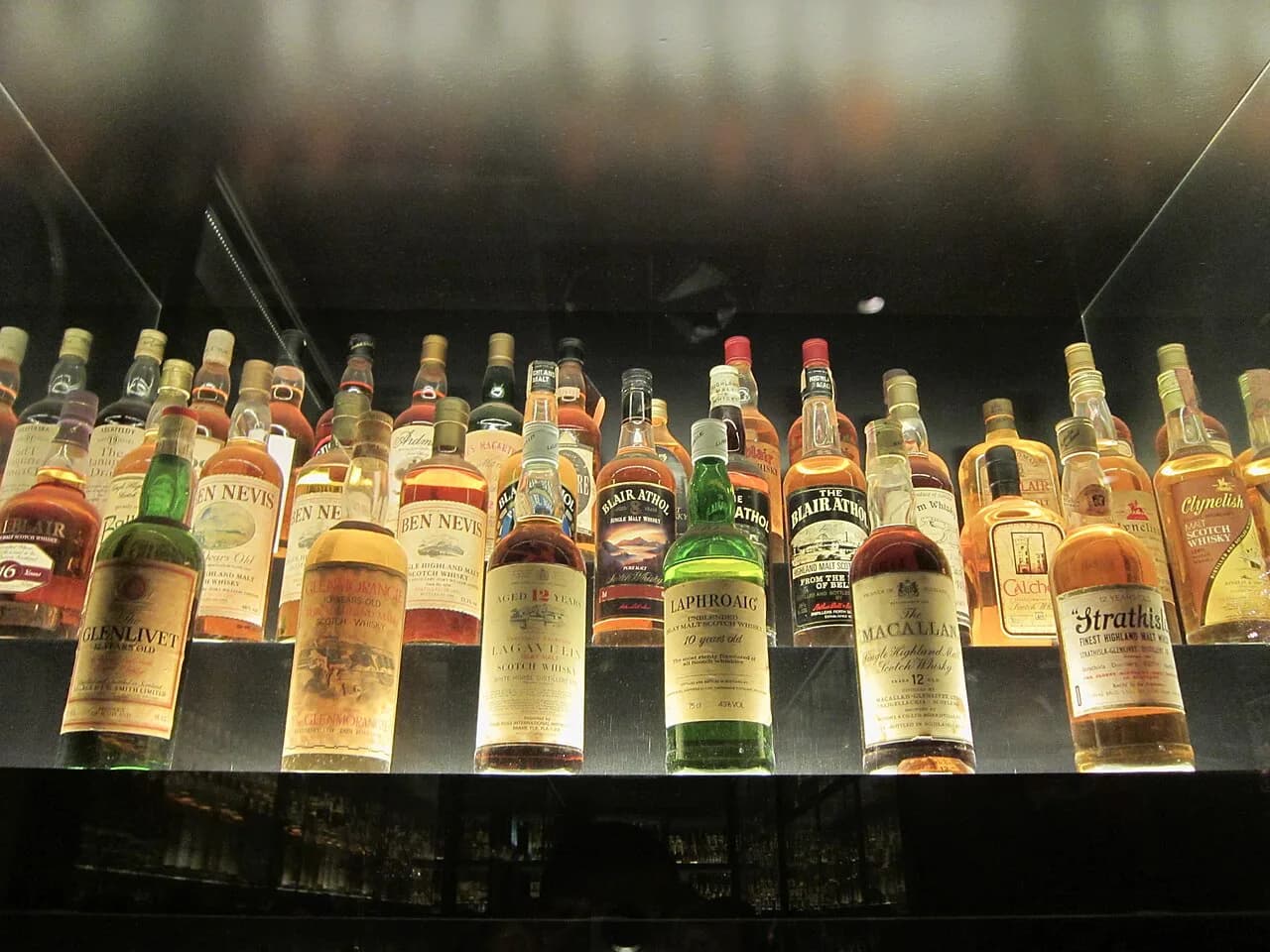
Speyside is a whisky region rather than an administrative one, defined by the River Spey and the glens around it. The Spirit of Speyside puts the count at more than fifty distilleries in the area, among the densest concentrations anywhere in Scotland, and names Glenfiddich, Macallan, Glenlivet and Cardhu among the best known that open to visitors through the year.
The style most drinkers associate with the region is soft, fruity and often a little sweet, with less peat smoke than Islay malts and less of the coastal salt you find further north. That reputation is a broad brush rather than a rule, so treat any tasting as a chance to test it against your own palate. If you want the vocabulary to describe what you are drinking, our Scotch whisky guide covers the terms worth knowing before you stand at a bar.
Worth knowing for the rest of the trip: Speyside overlaps with Moray and the Cairngorms, so a base at Aviemore, Elgin or Grantown gives you different shapes of day. The Cairngorms National Park boundary is close enough that a morning tour and an afternoon walk are easy to combine, which matters if some of your group would rather be outdoors than in a tasting room.
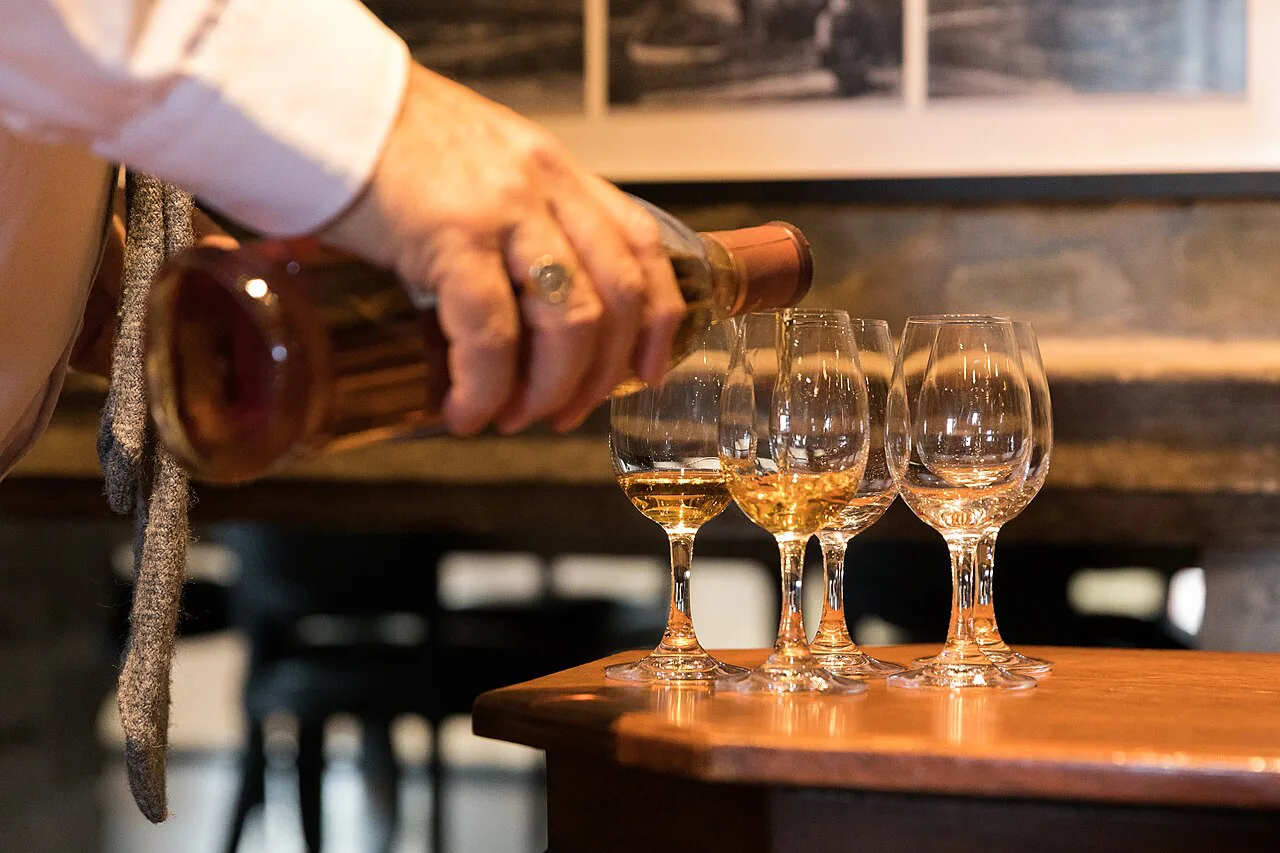
Where Speyside is and how to reach it from Inverness or Aberdeen
Speyside sits south of the Moray Firth, and most visitors arrive either from Inverness in the west or Aberdeen in the east. Neither transfer is a quick hop: this is a rural area strung along the A95 and A9 corridors, so budget real time for the drive and treat the journey as part of the day rather than dead space. Hiring a car at either airport is the most flexible option if you want to reach smaller sites off the main roads.
Rail helps if you pick your base carefully: the line between Inverness and Aberdeen calls at stations through Moray and Speyside, which can put some sites within a taxi ride of a platform. The Spirit of Speyside site carries notes on rail, bus and coach travel around Moray and Speyside if you would rather not drive at all. Check the current timetable with ScotRail before you build a day around a specific train.
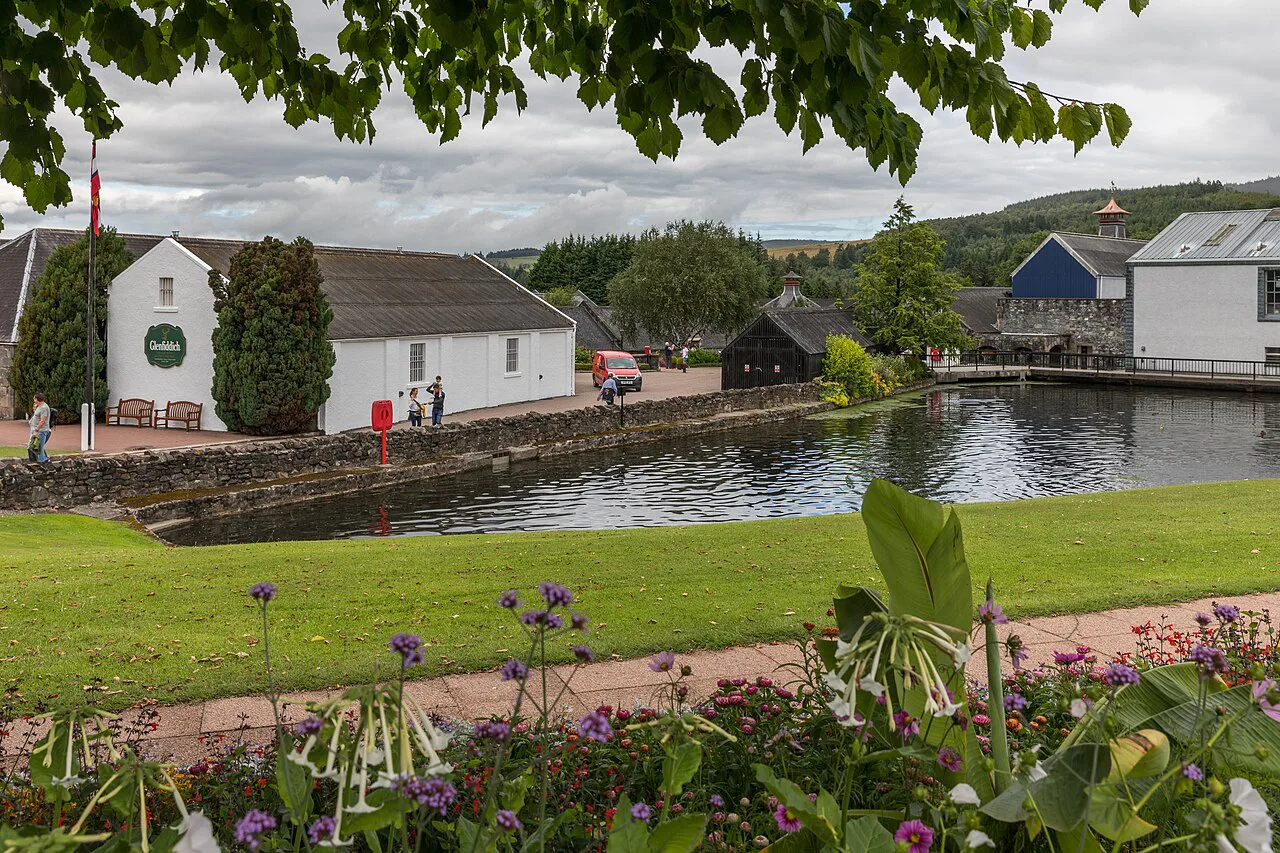
The big names open to visitors: Glenfiddich, Macallan, Glenlivet and Cardhu
These four are the ones most people mean when they say they are going to Speyside, and they are the sites most likely to need booking ahead. They are spread across the region rather than sitting in one village. Each runs its own visitor arrangements, and the Spirit of Speyside points readers to the individual distilleries for tour booking rather than publishing a single shared schedule.
Prices, tour lengths and opening times differ from site to site and change with the season, so look them up on each distillery's own pages before you commit to a date. Do not assume a walk-in will work at a big name in summer, and do not assume the shop is open just because the car park is. If you only have time for one, pick by the whisky you actually drink rather than by the size of the visitor centre.
Smaller and independent distilleries, including Speyside Distillery at Tromie Mills
Speyside Distillery is a small, hand-built single malt site at Tromie Mills near Kingussie, in the foothills of the Cairngorm mountains. That puts it at the western, Highland edge of the region rather than in the thick of the Dufftown cluster, which makes it a sensible stop if you are coming from or heading to Inverness.
Small sites reward a different approach: expect a shorter visit, fewer people and a more direct conversation about what you are tasting. For a wider survey of what is open across the country, our guide to whisky distilleries in Scotland sets out the regions and what distinguishes them.
Choosing a distillery by what you want
Sort the options by the kind of visit you are after, not by reputation. A full production tour takes you through milling, mashing, fermentation and stills, usually with a dram at the end, and suits someone who wants to understand the process. A tasting-only session skips the walking and puts the time into the glass, which is the better choice for a group with mixed patience levels. A shop-and-dram stop is the shortest form: a look round, a bottle to take home and back in the car.
If part of your party does not drink, a full tour still works because the process is the point. Pair it with something outdoors: the Cairngorms National Park sits on Speyside's doorstep and gives non-drinkers a reason to come along. That arrangement is fairer than leaving someone in the car park for two hours.
How to string two or three visits into a day without spending it all in the car
Geographic clustering is the whole game. The Dufftown and Craigellachie area holds several of the well-known names within a short drive of each other, so two visits there in a day is realistic. Kingussie and the Tromie Mills area works as a separate day, better combined with the journey to or from Inverness than with a Dufftown morning.
Allow more time than the tour itself: car parks, check-in, a look at the shop and the drive between sites all add up. Two full tours plus a shop stop is a full day, and squeezing in a third usually means rushing all three. If you are the driver, remember the legal limit in Scotland is tighter than in England, so even a modest tasting can put you over it.
Booking ahead, group sizes and peak-season pressure
Summer and the spring whisky season bring the pressure, and the big names fill their slots first. Book the sites you care most about as soon as your dates are fixed, and be ready to take a less convenient time rather than lose the visit. Small groups are easier to place at short notice; larger parties should contact the distillery directly and expect to be steered towards set slots.
Confirm the arrangements with each distillery rather than relying on a third-party summary, since tour patterns and capacities are set by the site. If you are travelling with children, ask about age limits at the time of booking; not every tour admits young children, and some tastings are adults-only. Check the individual distillery pages for the rules that apply to your group.
Getting around without driving: taxis, private hire, bus, coach and rail
Taxis and private hire are the practical answer for a tasting day, and the Spirit of Speyside keeps notes on taxi and private hire firms plus designated driver options for the area. Book ahead, because rural supply is thin and a car at short notice in a village is not guaranteed. Sharing a booked car between four people often costs less than four separate fares and solves the drink question outright.
Buses and coaches cover the main towns, and rail links the Spey corridor, but none of them deliver you to a distillery door. Expect a walk or a short taxi hop from the nearest stop, and check the last service of the day before you start. Timetables can be seasonal, so look up the current service on the Travel Around Speyside pages of the Spirit of Speyside site rather than planning round a memory.
Designated drivers and who drinks what
Agree the driver before the first dram, not after. Whoever is driving should stick to soft drinks, and it is worth checking whether the distillery offers a driver's pack or a takeaway sample; some do, but it varies by site and season. A shared bottle to take home is a decent consolation prize for the person at the wheel.
If nobody wants to drive, the private hire option is the cleanest fix. The Spirit of Speyside notes on designated drivers and private hire are the place to start, and it is worth arranging before you arrive rather than the evening before.
What a Speyside single malt tastes like and how to talk about it without bluffing
Speyside single malts are typically unpeated or only lightly peated, often showing orchard fruit, honey and vanilla, with dried fruit or spice where sherry casks are used; the balance varies a lot from distillery to distillery and from expression to expression. Rather than repeat a tasting note, describe what you actually get: sweet, dry, oily, spicy or smoky are all honest words.
If the vocabulary stalls you, fall back on food. A dram that tastes of malt loaf and orange peel pairs naturally with a plate of Scottish food, and a peaty one cuts through fat. Our guide to Scottish Food covers the dishes you will meet on a Speyside menu.
Eating and drinking around the distilleries
Speyside eating is pub and hotel food done well, with local beef, fish from the Moray coast and game depending on the season. Menus change often, so ask what is local on the day rather than deciding in advance; kitchens in small towns close earlier than city ones, and Sunday lunch can finish by mid-afternoon. Book if you are a group, and ask about the last orders time when you reserve.
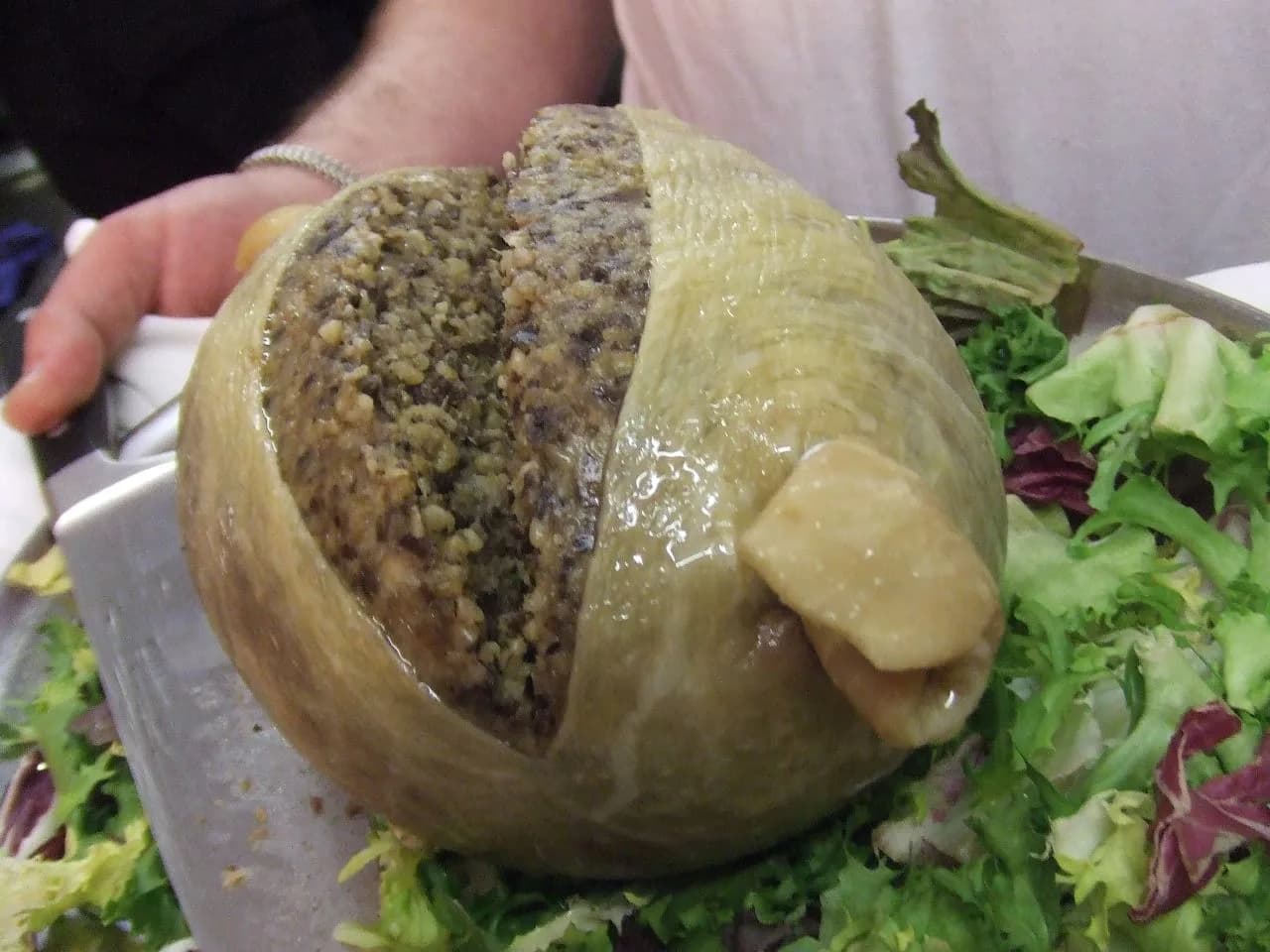
On the plate, expect haggis to turn up as a starter or in a breakfast, and it is worth ordering once properly served rather than as a novelty. Our haggis guide explains what it is and how it usually comes. Whisky sauce over beef or a cranachan finished with a dram are the other ways the local spirit reaches the table without you ordering a glass.
How much time to allow and when to go
Give Speyside two nights if you want two distillery days and a hill walk between them; one night only really covers one tour plus a drive. Spring and early summer are the obvious window, but they are also the busiest, so a shoulder-season trip in autumn buys easier booking at the cost of shorter days. Winter visits are possible, but distilleries such as Glenfiddich, Macallan, Glenlivet and Cardhu run shorter seasonal hours, so plan around their winter timetables before booking travel.
Whatever the season, build in slack. Weather and rural roads make a tight schedule fragile, and a missed booking on a short trip is hard to recover. For wider travel around the region, the Spirit of Speyside site carries notes on getting here and moving around Moray and Speyside, and each distillery's own pages are the place to confirm tour times and seasonal opening.
Which Speyside distillery should you book first?
Book Macallan, Glenfiddich, Glenlivet or Cardhu first if you want the full visitor-centre experience, then choose a smaller site such as Speyside Distillery at Tromie Mills for contrast. Cluster your days geographically, sort the driver before you go, and treat one full tour plus one short stop as a good day rather than a compromise. Check current dates, times and prices directly with each distillery before you commit.
Frequently Asked Questions
How many distilleries are in Speyside?
The Spirit of Speyside describes Speyside as home to more than fifty distilleries, and names Glenfiddich, Macallan, Glenlivet and Cardhu among the best known that welcome visitors through the year. Only a proportion run tours open to the public, so book the names you care about directly; not every site on the map is visitable.
What does Speyside Scotch mean?
Speyside is a Scottish whisky region, defined by the River Spey and its surrounding glens. In practice the name signals a single malt in a generally soft, fruity style, often with modest peat, though individual distilleries vary considerably in cask and character.
Do I need to book Speyside distillery tours in advance?
For the big names, yes, particularly in summer and school holidays, when slots go first. Smaller sites are easier to fit in at shorter notice but still welcome a call ahead. Confirm times and prices with the distillery itself, as these are not set centrally.
Can I visit Speyside distilleries without a car?
It is possible but requires planning, because rail and bus get you to the towns rather than to distillery doors. Book a taxi or private hire for the day, or base yourself near a station on the Inverness to Aberdeen line and use short hops. Check current timetables before you finalise your route.
Sources
Notes on eating out in the UK
Optional updates when our city guides change.
You might also like
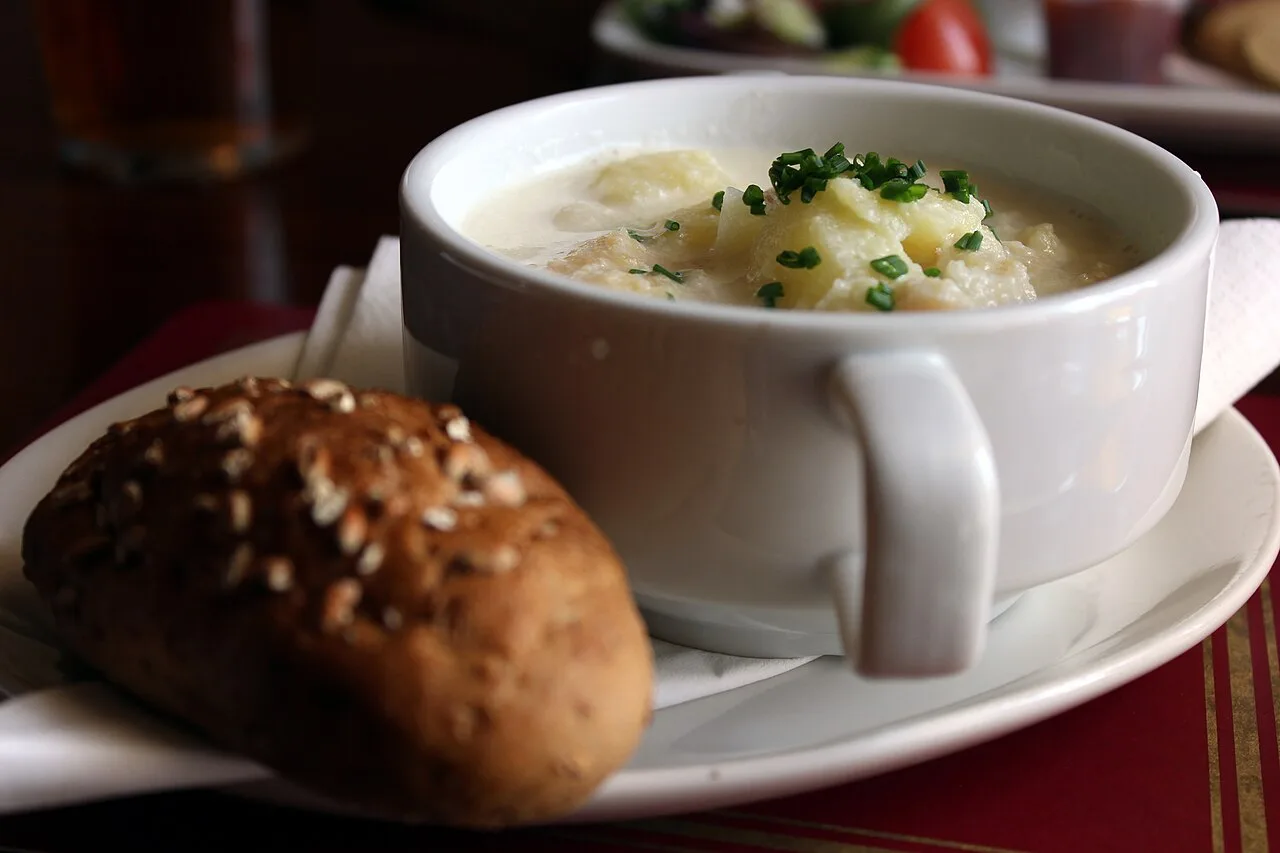
Continue reading
More guides you'll find useful