What Is a Gastropub? What to Expect and What to Order
A gastropub is a pub that takes its kitchen seriously. Here is what that means for the menu, Sunday lunch, price bands and how to spot a good one.
On this page
A gastropub is, in plain terms, a pub with a proper kitchen: you can still stand at the bar with a pint, but the menu is cooked rather than assembled and the plates are worth planning an evening around. Expect British classics given a contemporary twist, a menu that shifts with the seasons, and a room that may feel closer to a restaurant than a boozer. This guide covers what gastro pub food means, what to order from starter to pud, why Sunday lunch is the acid test, and how to read the price band before you commit to a table.
A pub with a serious kitchen, not a restaurant in disguise
The defining feature is the kitchen, not the tablecloths. A gastropub keeps the pub's social looseness: you can drop in for a pint and a bag of crisps, or sit down for three courses, often in the same room. What separates it from a restaurant is the bar, where ordering a drink without eating is normal and the taps are looked after rather than treated as an afterthought. That flexibility makes a gastropub a good hedge when one of your party wants a proper meal and the other wants a pint.
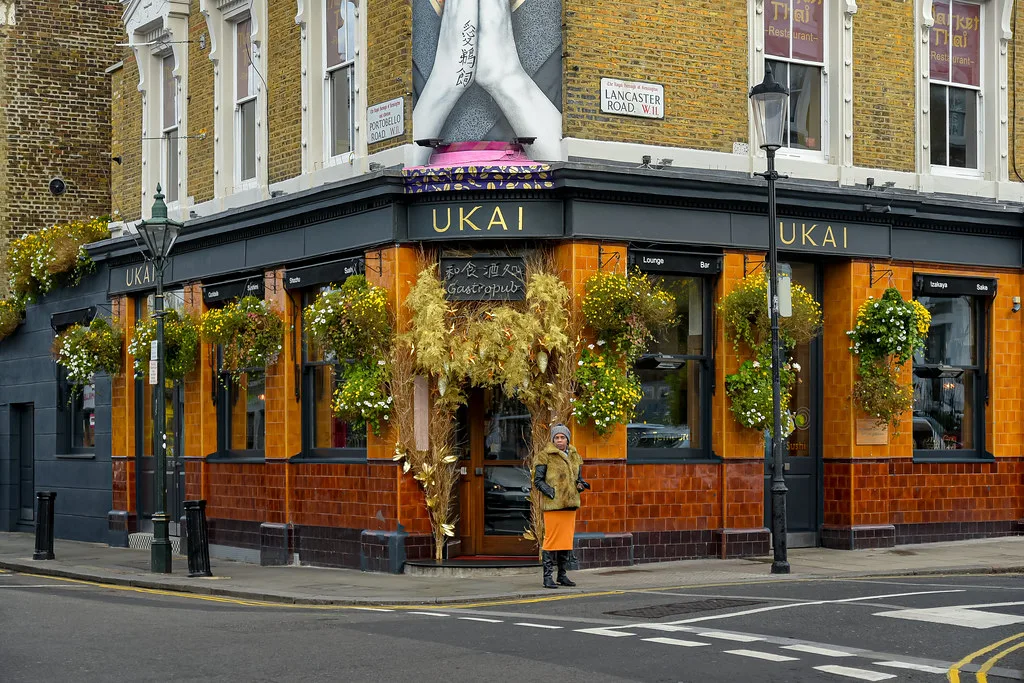
Where 'gastro' comes from and what the sign signals
The label is shorthand for gastronomy plus pub, and in practice it signals that cooking is the main event rather than a bag of chips warmed through at the end of the bar. It is not a protected term, so anyone can use it, which is why the sign alone tells you little. A place that calls itself a gastropub should show its workings: dishes named properly, sourcing mentioned, and a menu changing often enough to suggest someone is actually cooking.
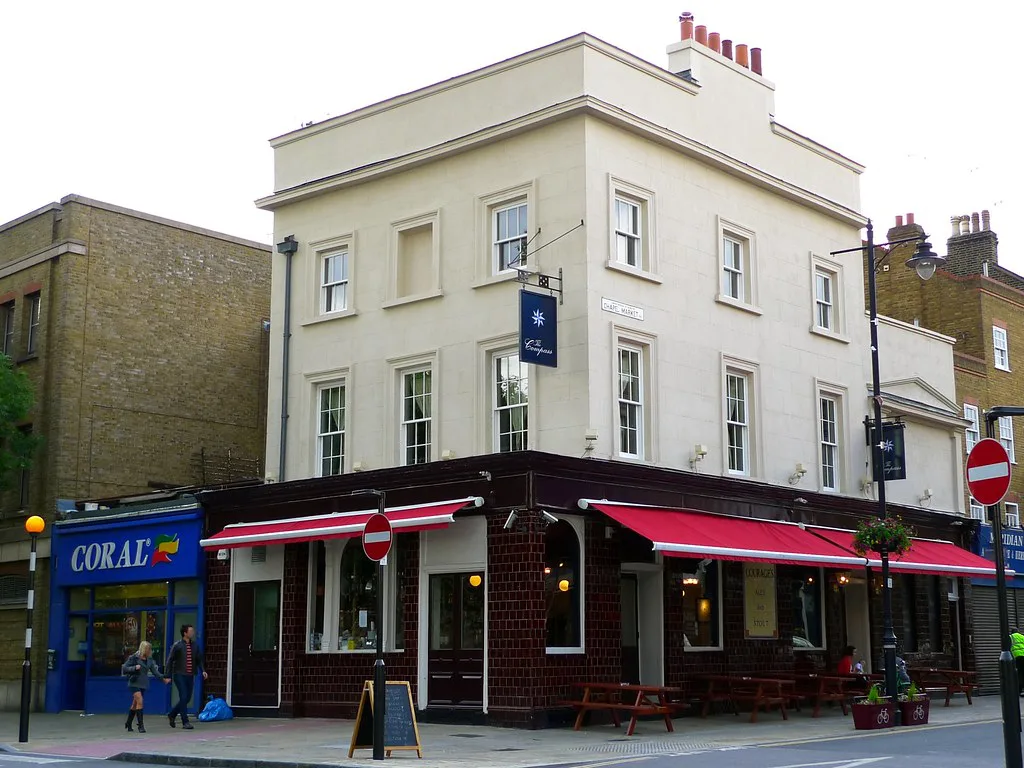
Gastropub versus traditional boozer: menu, service and atmosphere
In a traditional boozer the menu is short, the prices sit low, and you order at the bar. In a gastropub you are more likely to be shown to a seat, given a proper menu and offered table service, and the bill lands at the end rather than the pint being paid for on arrival. Neither is better; they suit different evenings, and knowing which you want is half the decision.
A food-led pub tends to be quieter earlier, fills in waves around sitting times, and may feel more restaurant than local by eight in the evening. If you want a long, loud session with a changing round, the traditional pub is usually the better fit; if you want dinner with a beer list worth reading, aim for the gastropub. Our British Pubs guide maps that wider landscape if you want the older, plainer end of it.
Gastropub versus restaurant: you can still just have a pint
The most useful thing to know is that a gastropub has not stopped being a pub, though the balance varies from place to place. Some keep a genuine bar trade and a separate dining area; others have quietly converted the whole floor to tables and will ask you to eat if you want to sit. Knowing which you are walking into saves an awkward exchange, and our guide to pub etiquette in the UK covers the drill on ordering, tipping and holding a table.
What gastro pub food actually means on the plate
Gastro pub food is British cooking with the technique turned up: Shepherd's pie that has been thought about, steak treated properly, fish that has not travelled further than it needs to, and vegetables handled as something better than garnish. Menus shift with the seasons, so expect slow-cooked beef and root vegetables in winter and lighter seafood plates in summer. Local sourcing is part of the pitch, and a kitchen that names its suppliers or its county is usually trying harder than one that says nothing at all.
What to order: starter, main and the pud that ends it properly
For a starter, small plates and lighter bites let you test the kitchen without committing to a full dinner. A prawn cocktail or a calamari plate tells you whether the frying and the seasoning are being watched, and if you are only half hungry, two starters and a side often beat a heavy main.
For the main, look for the classics done properly: a pie with real pastry and a proper filling, a steak with a handle on cooking times, or fish from a kitchen that knows how not to ruin it. Grills and mixed grills are a reasonable benchmark because there is nowhere to hide on a badly cooked chop. If the menu is long and covers everything from curry to pasta, be sceptical.
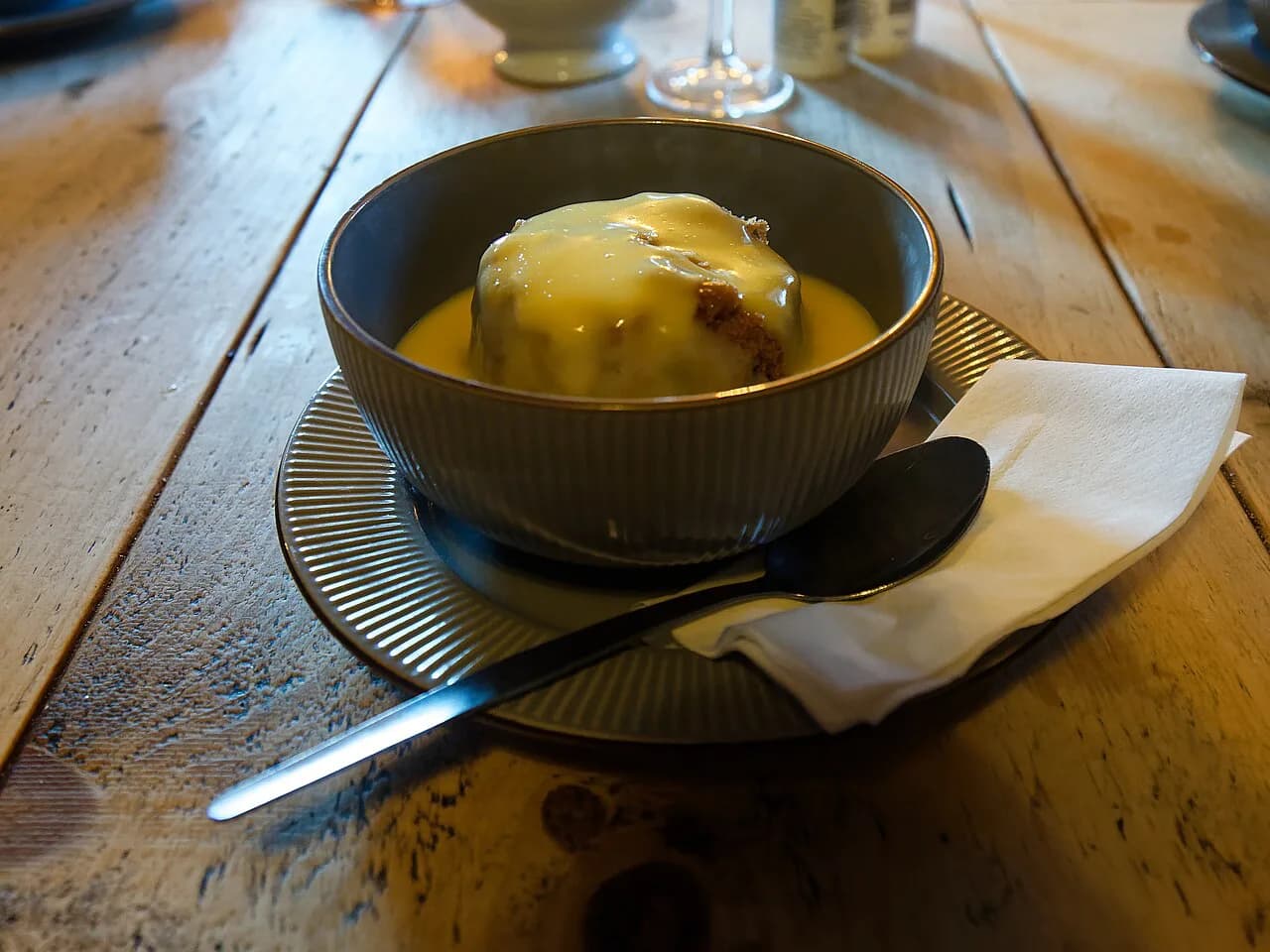
The pud is where a gastropub earns a return visit. Sticky toffee pudding with a proper toffee sauce is the standard test, and a kitchen that bothers with dessert is usually one that bothers elsewhere too. Apple pie and brownies are fine, but a pudding made in-house is the better signal.
Sunday lunch is the big test, and the reason to book ahead
Sunday lunch is the meal that separates a gastropub from a pub that happens to serve food. The roast has to arrive hot, the meat carved properly, the potatoes worth the trip, and the whole thing out within a reasonable time when the room is full. It is also where the kitchen is most exposed, since everyone orders roughly the same thing at roughly the same moment.
Sunday tables are worth booking rather than chancing. Booking platforms such as OpenTable list pubs available to book in and around Birmingham, including the Plough in Harborne, the Horseshoes in Stourbridge and the Holly Bush in Redditch, which is outside Birmingham itself. Availability and sitting times vary, so check the pub's own booking page or ring directly for the Sunday you have in mind.
Midweek is a different proposition. Go on a Tuesday or Wednesday and you will usually find a walk-in table and a less hurried kitchen: the same food, more attention, fewer elbows.
Reading the price band before you commit
Booking platforms such as OpenTable use their own price indicators, but these are a rough guide rather than a promise and are set by the venue or the platform rather than by any independent body. Use them to shortlist, then check the actual menu.
Two things move the band: the cut of meat or fish on the menu, and the room itself, since a gastropub in a smart suburb will price higher than a village pub doing similar cooking. If you are eating on a budget, look at the starter and small-plate list and the lunch menu rather than the main courses, and check the venue's own menu for current prices before you go.
How to spot a good one from the outside
Start with the menu length. A short menu that changes regularly usually means a kitchen cooking to its capacity; a sprawling one that covers curry, pasta and roasts usually means a freezer doing the work. Look for dishes that follow the season and for specials on a board rather than printed.
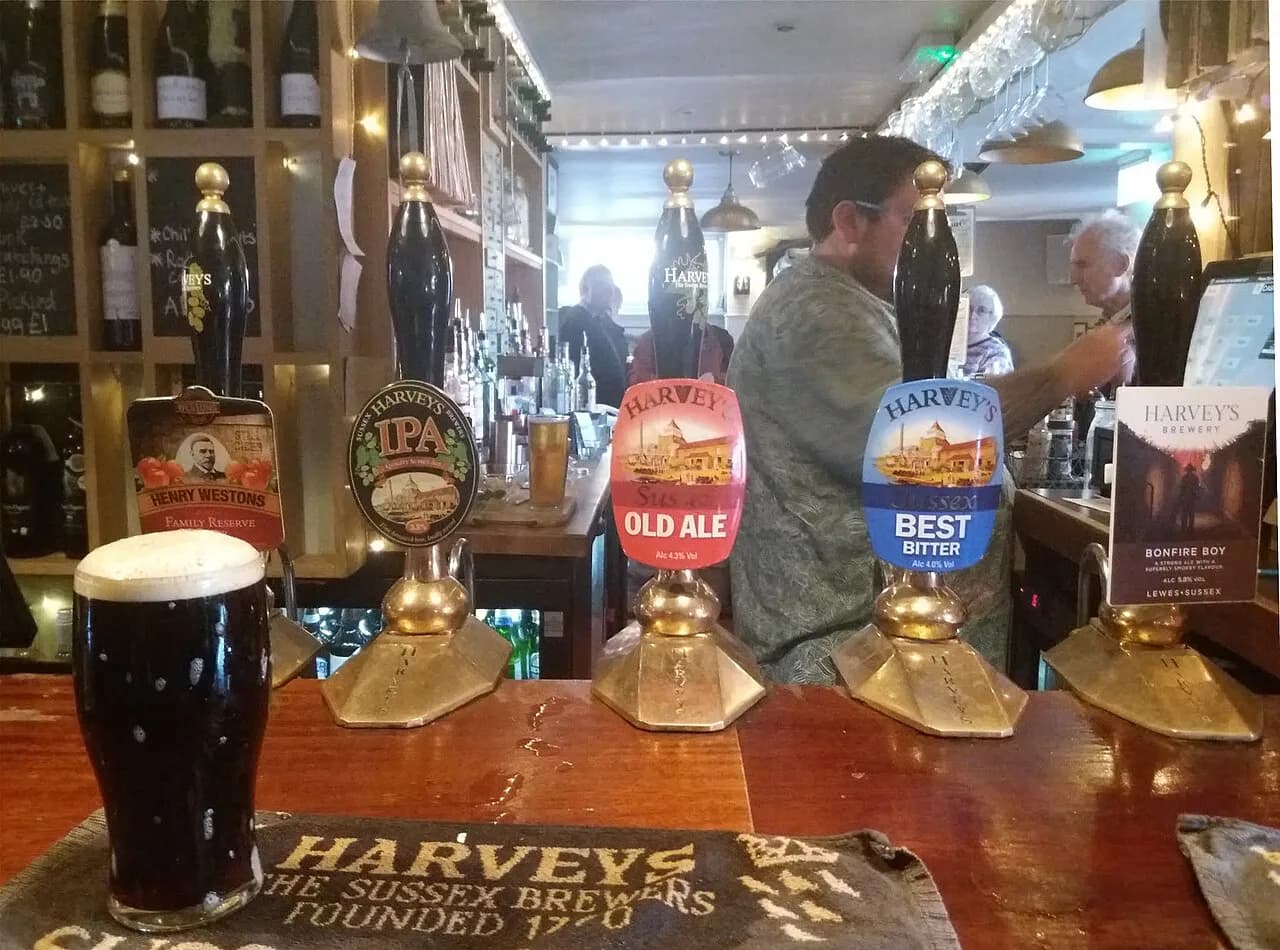
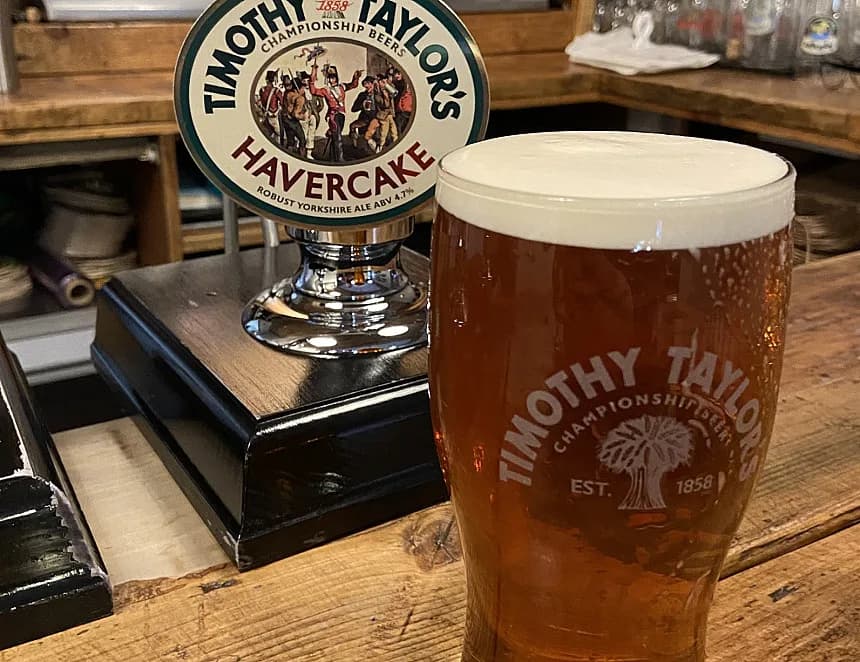
Then look at the beer, because a gastropub that takes food seriously but treats its taps as an afterthought is only half a pub. A well-kept ale list is a good sign that someone is paying attention, and our real ale guide explains how to tell a well-kept pint from a tired one. The room tells you the rest: a proper bar with a few stools has usually kept its pub character, while one replaced by laid tables has made its choice.
Trade-offs worth knowing: queues, tourist menus, children and cards
Peak times are the obvious trade-off. Friday and Saturday evenings and Sunday lunch draw queues at popular places, and a walk-in at seven on a Saturday is a gamble almost anywhere. Booking removes the uncertainty but locks in your timing; walking in keeps your options open but may mean eating at nine.
Then there are the house rules, which vary pub by pub and are worth checking before you travel. Some gastropubs are card-only, some welcome dogs in the bar but not the dining room, and some stop admitting children after a certain hour. A quick look at the pub's own website or a phone call settles them, and it is also the way to spot a menu written for tourists rather than for people who will come back.
Where to find gastropubs in the cities we cover
Around Birmingham, OpenTable's booking pages list gastro-pub-style venues, though many are outside the city and need a car or a train ride. The Plough is in Harborne and the Soho Tavern in Solihull, while the New Ivy House is in Walsall and the Rose Inn in Atherstone. The Fleur de Lys sits in Henley-in-Arden, the Swan at Whittington near Worcester, the Fountain at Clent and the Horseshoes both in Stourbridge, the Holly Bush in Redditch and the Chequers in Droitwich. Treat the list as a starting point for booking, not as an award or a guarantee that every kitchen is on form.
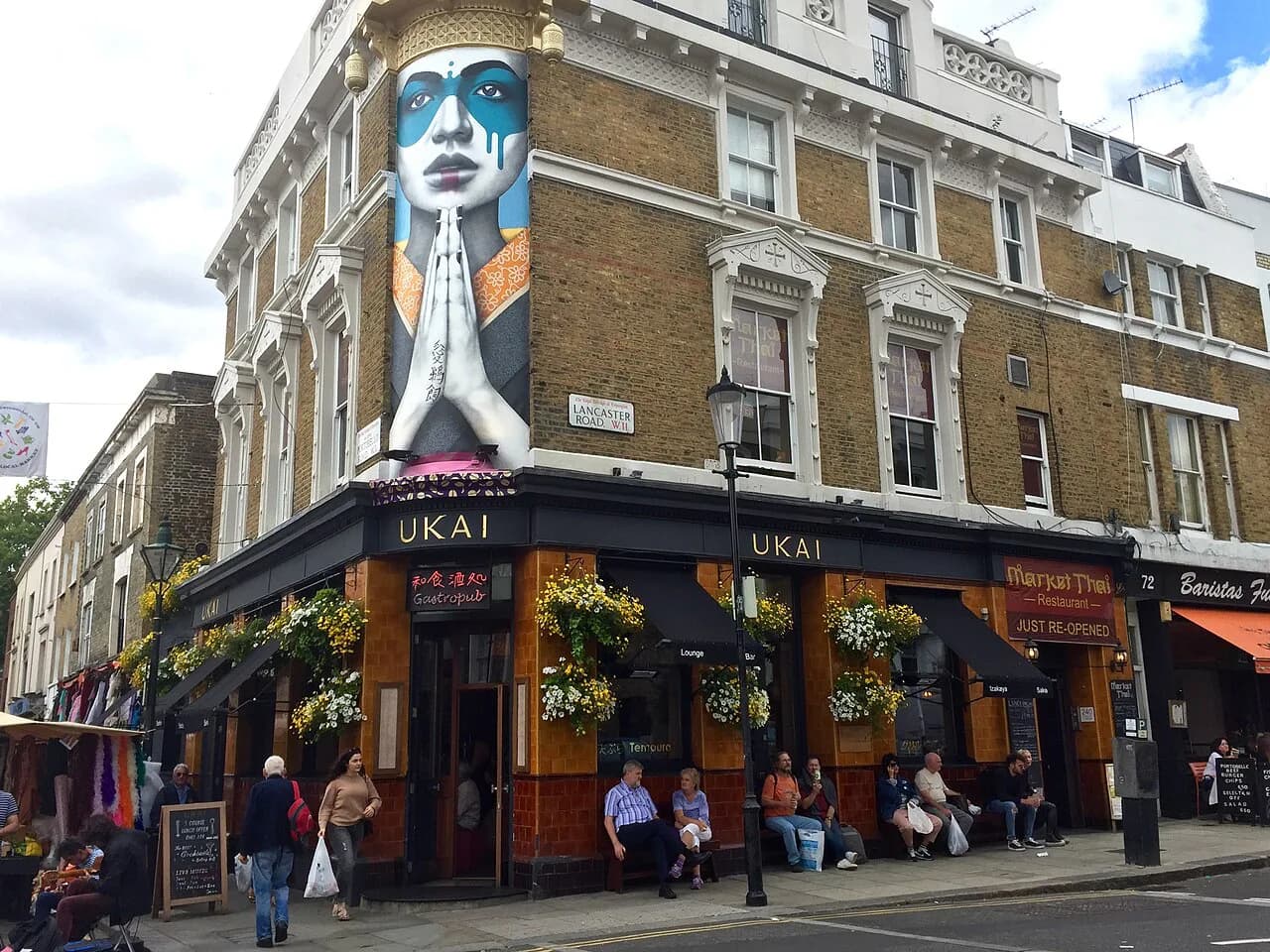
In London, Harden's news reports mix long-standing neighbourhood pubs with newer dining rooms, but many of the items are opening or reopening announcements rather than current visitor guides. The Baring is in Islington, the Kerfield Arms in Camberwell, the Waterman's Arms in Barnes, the Carpenter's Arms in Hammersmith and the Walmer Castle in Notting Hill. The Surprise is in Chelsea, the Hero in Maida Vale, the Prince Arthur in Belgravia, the Devonshire in Soho and the Blue Stoops in Kensington. If you are planning a visit, check the pub's own site or phone ahead, because a name in a news item does not confirm it is open, bookable or still trading as a gastropub today.
Which gastropub should you book?
Book the gastropub whose menu you have actually read, in an area you can reach without a saga, on a day that suits the kitchen. Midweek if you want a relaxed table, Sunday if you want to see what the place can do, and early if you are chancing a walk-in. For Sunday lunch or any distance travelled, book ahead and confirm sitting times with the pub directly.
Judge the place on the short menu, the changing specials and the state of the beer, not the label on the sign. That is the honest way to find a gastropub worth a journey rather than a decent pub with pretensions.
Explore more United Kingdom guides
Sources
Notes on eating out in the UK
Optional updates when our city guides change.
You might also like
Continue reading
More guides you'll find useful