Cask Ale in the United Kingdom: How to Pick a Good Pint
Cask ale explained in plain terms: how it differs from keg beer, why it's served at cellar temperature, and how to tell a well-kept pint from a tired one.
On this page
Cask ale is unfiltered beer, usually an ale, that is racked into a cask with a little fermentable sugar still working, sealed, and allowed to finish fermenting in the wood or metal before it is served. It is drawn without carbon dioxide pressure, which is why a well-kept pint feels softer and rounder in the mouth than a chilled, gassy keg beer. This guide explains what happens in the cellar, why temperature matters, and how to tell a fresh pint from a tired one.
You do not need to be a beer expert to order well. Knowing a handful of signals, the look of the beer, the condition in the glass and how many hand pumps the pub runs, will help you choose a pub and a pint with more confidence.
What cask ale actually is
Cask ale starts as beer that has not been filtered, and it is transferred into a cask while still holding live yeast. A small secondary fermentation carbonates it gently and naturally, and finings are often added so the yeast clumps and drops to the bottom, leaving the beer bright. The result is a beer with lower carbonation than keg, a rounder mouthfeel and, because nothing has been stripped out, a more layered aroma and flavour.
Because the beer is alive in the cask, it is a perishable product, not a shelf-stable one. That single fact explains most of what follows: the short window after broaching, the care needed in the cellar, and why the same beer can be excellent in one pub and disappointing in another.
Cask versus keg: what changes in the glass
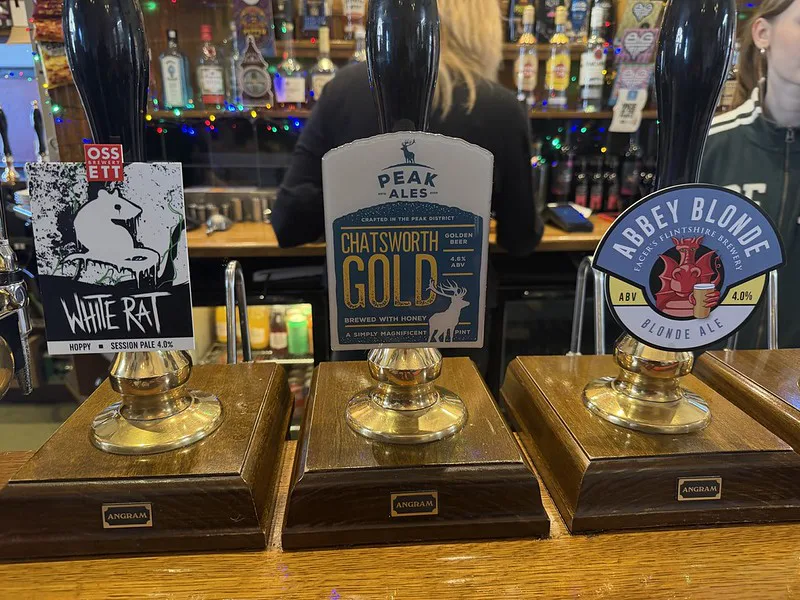
Keg beer is filtered, carbonated to a set level and pushed out of the keg by gas pressure, so it pours the same way every time and keeps far longer. Cask beer is pulled out by a hand pump or run off through a tap, and as the beer leaves, air enters the cask. That is why a broached cask needs drinking within days, and why a quiet pub with too many hand pumps on the go is a warning sign rather than a boast.
The trade-off is straightforward. Choose keg for consistency, bite and a cold serve; choose cask for a gentler carbonation, a softer texture and flavours that come through more clearly at a warmer temperature. If you want the wider picture of how British beer styles sit together, our guide to British beer walks through the families, from session bitters to stronger modern pale ales.
Real ale versus cask ale: where the terms differ
In everyday use the two terms are near-synonyms: real ale is beer that undergoes a secondary fermentation in the container it is served from and is dispensed without extraneous gas pressure. Cask ale is the plain description of the same thing, and CAMRA, the Campaign for Real Ale, is the body most associated with promoting it. Bottled-conditioned beer can also count as real ale, so real ale is the slightly broader term.
The scale of the category is worth keeping in perspective. Cask-conditioned ale remains a minority serve in the UK: 420 million pints were sold in 2019, equal to 13.5% of total pint sales. A pub with one well-kept hand pump is a normal sight, not a failing.
Why cellar temperature is not the same as warm
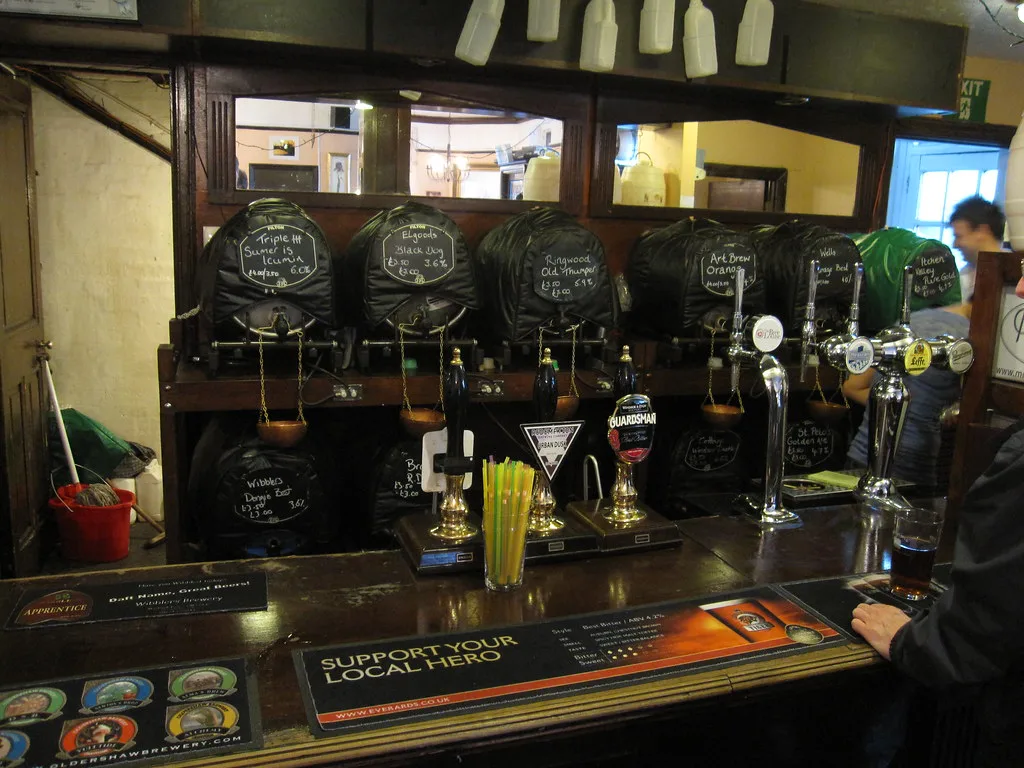
Cask ale is best served at around 55°F, roughly 13°C, which is cooler than a room but clearly warmer than a chilled lager. That temperature lets the malt and hop character show and keeps the unfiltered texture pleasant; serve it too cold and the flavour closes down, serve it too warm and it tastes dull and flat. When a pint arrives cool rather than icy, the pub is doing it right.
The common complaints about cask beer, that it is flat, cloudy or served too warm, usually trace back to poor handling rather than the format itself. Properly kept cask ale should be none of those things, so treat a bad pint as information about the cellar, not proof that cask is not for you.
How a good cellar is run
After delivery, a cask is left to settle so the yeast and finings drop, then vented to let excess carbon dioxide escape, then tapped and checked before it goes on sale. Getting the sequence and the timing right takes experience, which is why cellar-keeping is a skill in its own right. Once a cask is broached, the clock runs: air is entering the beer with every pint, and it will fade within days.
Casks come in a few standard sizes. The firkin, about 10.8 gallons, is by far the most common, with the half-size pin and the double kilderkin behind it. A pub turning over a firkin in two or three days is a good sign; one nursing the same cask for a fortnight is not.
How to read a pint before you drink it
Start with the look: a fresh pint should be clear unless the style is deliberately hazy, and it should carry a small head that lasts rather than a foam that collapses instantly. Then smell it, because a vinegar or wet-cardboard note means the beer is past its best, and taste a small mouthful before settling in. If it is flat, muddy, sour or noticeably too warm, say so politely at the bar; most pubs will change a cask pint without argument.
Ordering is simple once you know the local habits. If you are unsure how to ask for a taster, where to stand or whether to tip, our guide to pub etiquette UK covers the small conventions that make a first visit easier.
Which styles to look for on cask
Cask suits beer that does not depend on fizz for its character. Session bitters in the 3.5% to 4.5% range are the classic serve, and golden ales work well when they are fresh and hoppy. For something rounder and darker, mild and porter are the traditional choices, while stronger bitters and old ales show well in winter. Our guide to bitter beer looks at the style in more detail, including examples such as Fuller's London Pride and Adnams Broadside.
Hoppy pale ales and IPAs also work on cask when handled well, though the softer carbonation can mute the punch some drinkers expect. If you normally drink keg IPA, try a cask pale first and use it to judge the cellar before moving to a stronger beer.
Where cask ale fits in the British pub
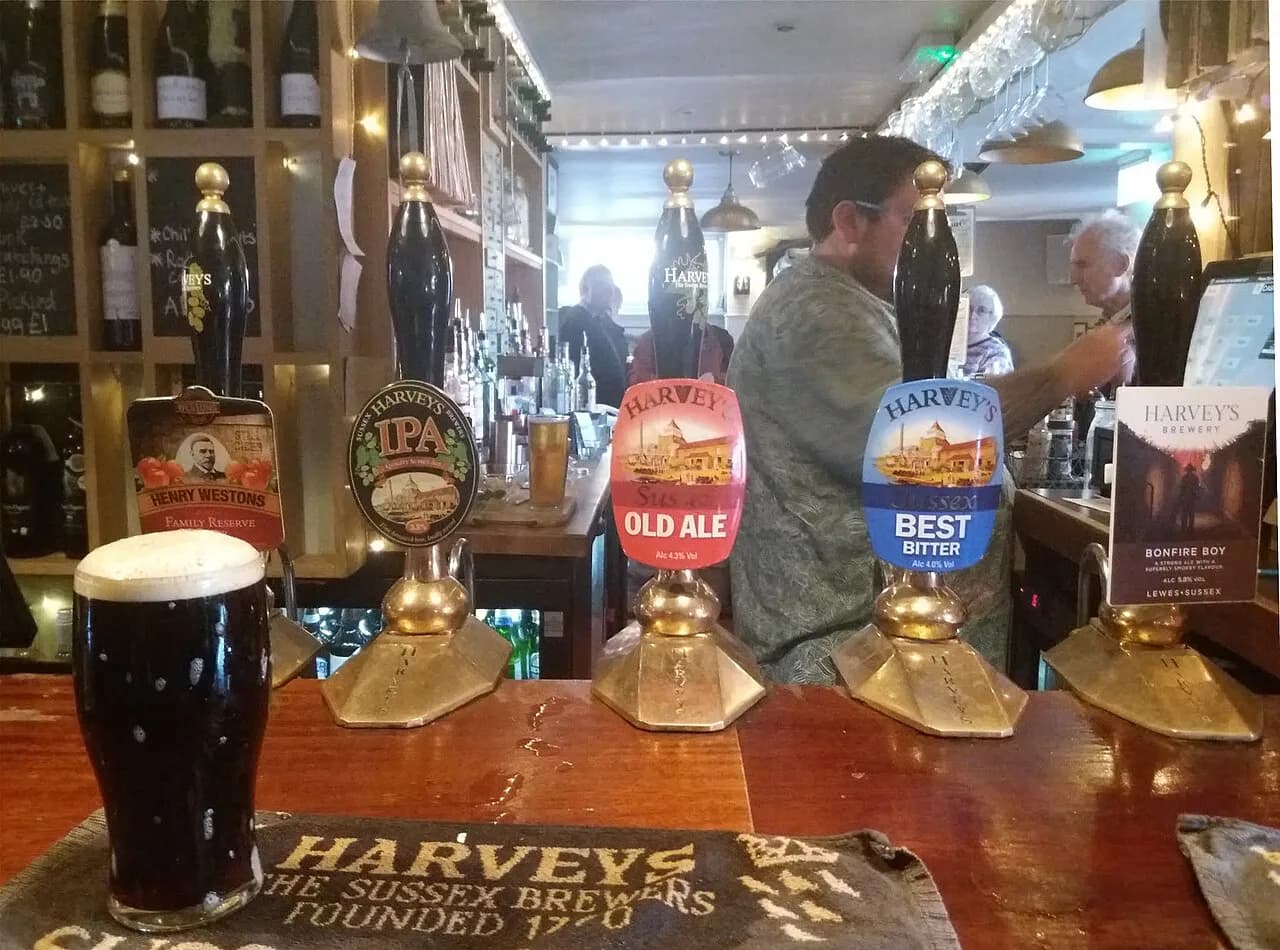
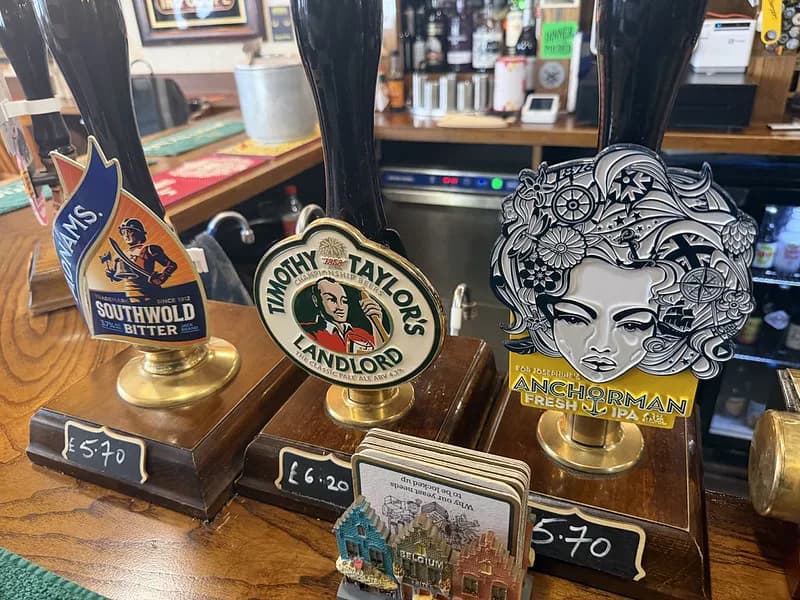
Cask ale is bound up with the traditional British pub, which is why it rewards a little local knowledge. Pubs with a genuine beer tradition tend to have beer engines, a short and changing list of casks, and staff who can tell you when a cask went on. If a pub has five hand pumps but very few customers, ask what is freshest rather than assuming the widest choice is best.
If your interests run to the historic side of pub-going, the oldest pub in England makes a natural starting point, though age alone says nothing about cellar standards. Judge each pub on the pint in front of you rather than its signboard.
Which pint should you order first?
If you want to test a pub's cellar, order the ordinary bitter or the golden ale on the middle hand pump, not the strongest or most exotic thing on the bar. A clean, cool, clear pint of a modest beer tells you more about how the cellar is run than a single strong one does, and it costs less if you decide to move on.
Two practical checks before you commit: ask which cask went on most recently, and look at how many other customers are drinking cask. If both answers are encouraging, order a pint and judge it on clarity and condition; if not, there is no shame in a keg beer or a half while you decide.
Explore more United Kingdom guides
Frequently Asked Questions
Is Guinness a cask ale?
No. Draught Guinness is a pasteurised, nitrogen-dispensed stout served through a pressurised system, not a cask-conditioned beer that finishes fermenting in the container. It is served cool with a characteristic creamy head, but it does not meet the definition of real ale.
What is the best-selling cask ale in the UK?
Sales rankings change and no current figure is given in the sources here, so the exact national ranking is not stated. Availability varies enormously by pub and region, and asking staff which cask is freshest is more useful than chasing a national chart.
Where can I buy cask ale to drink at home?
Cask ale is a living, perishable product once broached, so it is not sold in the same way as bottled beer. Pubs sometimes sell takeaway containers filled from a fresh cask, and some breweries supply mini-casks with instructions for settling and venting; ask at the bar about how long the beer will keep once opened.
How long does a cask last once it is opened?
Not long. Once a cask is tapped, air enters as beer leaves, and quality fades within a few days, which is why busy pubs with fast turnover serve better cask beer. A quiet pub with several pumps running at once is worth questioning.
Sources
Notes on eating out in the UK
Optional updates when our city guides change.
You might also like
Continue reading
More guides you'll find useful