Real Ale in the United Kingdom: Styles & How to Order
Real ale is unfiltered, unpasteurised beer that finishes fermenting in the cask. Here is what that means for flavour, serving, styles and ordering a pint.
On this page
Real ale is unfiltered, unpasteurised beer with its yeast still alive, so it carries on fermenting slowly in the cask until it is served. That one fact explains the softer carbonation, the changing flavour and why a pint can be superb on Tuesday and tired by Friday. This guide covers how it is made, how it differs from keg and craft beer, the styles you will meet on a British bar, and how to order with confidence.
What Real Ale Actually Is
The definition turns on the yeast. Real ale is not filtered and not pasteurised, so live yeast stays in the vessel and continues a slow secondary fermentation there, which is where the gentle natural condition comes from. Because the beer is still working, it is perishable: once a cask is tapped it has a limited window before it fades. That is the root of cellarmanship, and why turnover matters more for cask than for anything else on the bar.
You will also hear cask ale, and in Britain the two overlap heavily: cask ale is real ale served from a cask, whether through a handpump or by gravity straight from the vessel. The distinction is mostly about dispense rather than a different drink, so it is worth knowing both terms because pubs and beer writing use them interchangeably. Our guide to cask ale takes the dispense side further.
The Campaign for Real Ale, better known as CAMRA, is the consumer body most associated with the style, campaigning for well-kept cask beer and the pubs that serve it. Its branches cover the whole country, and it publishes the Good Beer Guide, an annual selection of recommended pubs. If you want a pub chosen for its beer rather than its location, that is the obvious place to look.
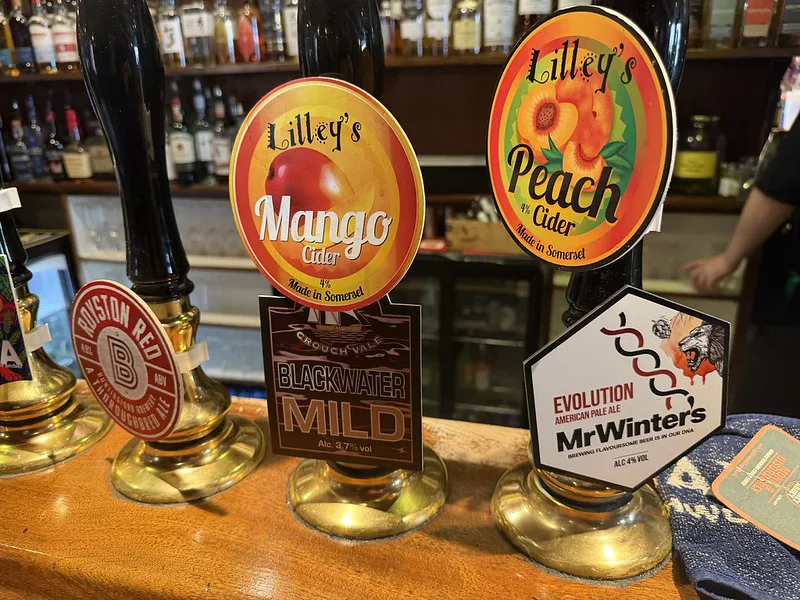
Real Ale vs Cask Ale vs Keg vs Craft Beer
Keg beer is the counterpoint. It is filtered or otherwise clarified, chilled and pushed to the tap with gas, giving longer shelf life, consistent carbonation and a colder serve. Real ale is the opposite trade-off: less predictable and more fragile, but with a texture and depth many drinkers find worth the risk. Neither is inherently better, and a good pub often runs both.
Craft beer is not a production method at all but a marketing and cultural label, and plenty of craft breweries make cask beer alongside keg. So a craft-brewed best bitter can sit on a handpump next to a small brewery's lager on keg in the same room. The useful question is not whether a beer is craft, but how it is conditioned and how well the pub keeps it.
What changes in the glass is carbonation and temperature. Real ale is served cooler than room temperature but warmer than lager, with low, soft carbonation that lets malt and hop aroma come through rather than being scrubbed away by fizz. Keg arrives colder and brisker, which suits some styles and flattens others. If you normally drink lager, expect the first mouthful of real ale to feel almost still.
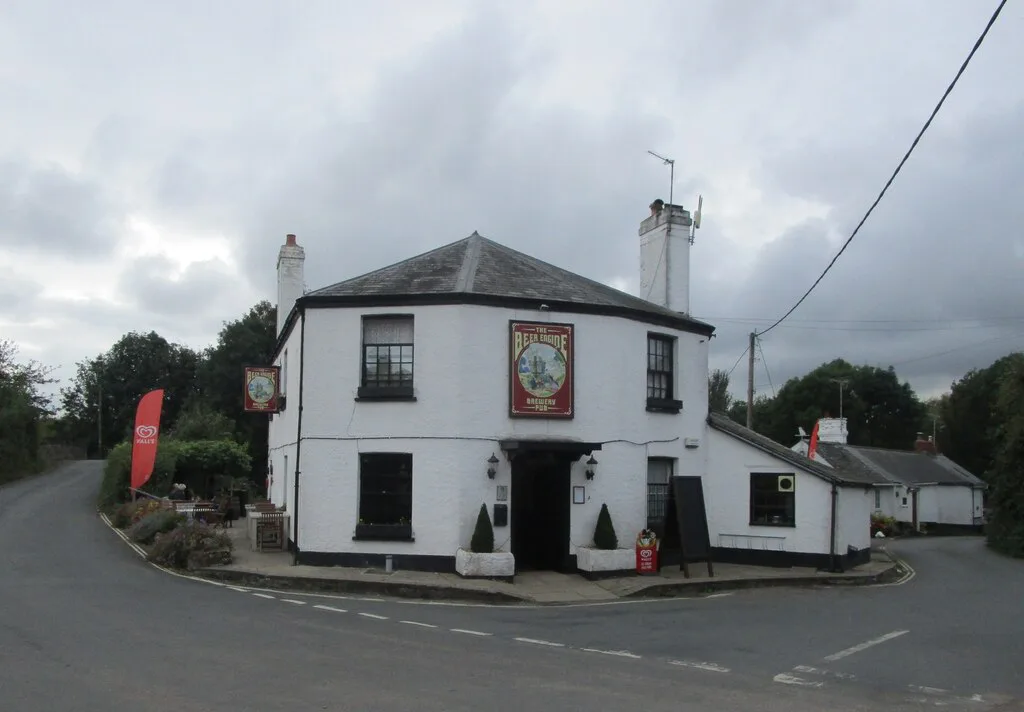
Why Serving Matters: Handpumps, Gravity and Condition
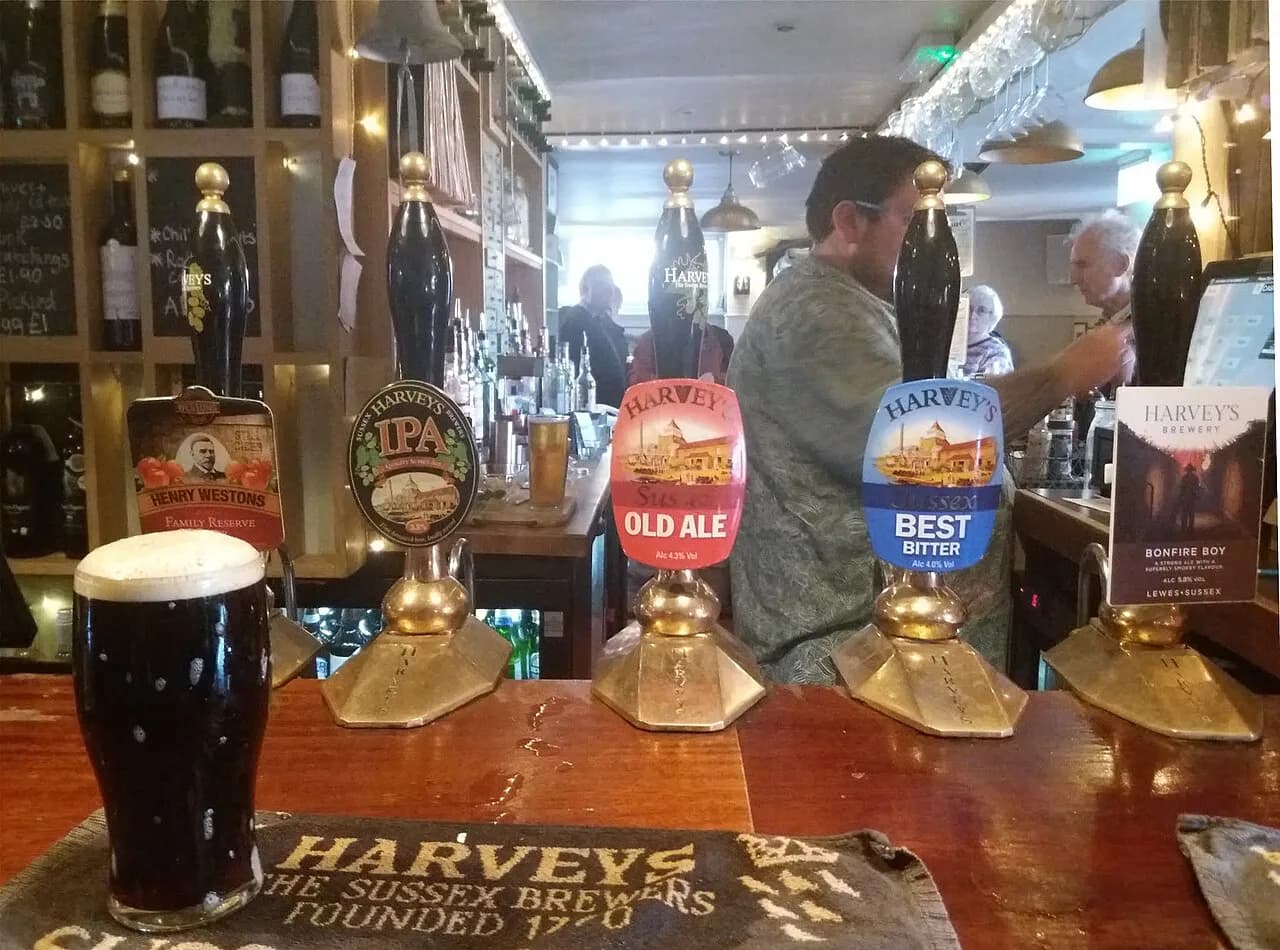
Most cask beer in Britain is pulled through a handpump, a manual pump that draws beer from a cask in the cellar. Some pubs, particularly at beer festivals or in older rural boozers, serve by gravity, with the cask on a stillage behind the bar and beer poured straight from the tap. Gravity dispense gives the gentlest condition of all, and a pint from a well-kept stillage is a different experience from the same beer through a pump.
The sparkler is the small nozzle many pubs fit to the handpump, and it is the great regional argument of British beer. A sparkler aerates the beer and produces a thick, creamy head; without one you get a thinner head and, many drinkers argue, more aroma and condition. Sparklers are common in the north and less so in the south, but the split is not a rule, and pubs vary street by street.
A good pint should look bright and clear for most styles, with a head that sits on the beer rather than collapsing, and it should smell fresh: hop aroma, malt, nothing sour or papery. It should taste clean and finish without a clinging, dull note. If you are unsure, ask for a taste before committing to a full pint, which is a normal request in any decent pub.
Main Real Ale Styles on a British Bar
Bitter is the default English session beer: amber to copper, moderate strength, hop-forward but balanced, and usually the cheapest thing on the handpumps. Best bitter is the same family at a touch more strength and malt. If you are coming from lager, it is the most natural bridge and the one to order first, which our guide to bitter beer explains in more depth.
Golden ale is paler, crisper and often more hop-aromatic than bitter, and it converts most lager drinkers. Mild is dark, low in alcohol and gently malty, a traditional pub drink enjoying a quiet revival, and a good choice for flavour without strength. Porter and stout are the dark, roasty end of the bar, with coffee and chocolate notes, while IPA covers everything from a traditional English hop-forward ale to much stronger modern interpretations.
Old ale is darker, richer and stronger, often with dried-fruit notes and sometimes matured, and it is a winter drink for many pubs. You will also see brown ale, golden bitters and seasonal specials that fit none of these boxes. Labels are a rough guide rather than a strict taxonomy, so the description on the cask clip is often more useful than the style name.
How to Order a Pint Without Overthinking It
Start by asking what is on and what is good. Bar staff know which casks have just gone on and which are near the end, and a simple question gets you a better pint than guessing from the clips. Ask for a taste of anything you are unsure about: a small sample is routine, costs nothing in most pubs, and saves you a pint you do not want.
On the sparkler, just say what you prefer. If you want a creamy head, ask for it with the sparkler; if you want the beer served without one, ask for it without. Staff will not be offended either way, and where a pump is fitted with one they may assume you want it unless you say otherwise.
Let the pint settle for a moment before you drink, especially after a fresh cask has been tapped. If it is cloudy when it should be bright, or smells or tastes sour, vinegary or flat, take it back politely and explain; a good pub will replace it without argument, because a bad pint is the pub's problem, not yours. The basics of pub etiquette UK cover that exchange and the rest of bar behaviour.
Real Ale in a Bottle: Bottle-Conditioned Beer
You can buy real ale in a bottle. Bottle-conditioned beer is the bottled equivalent of cask: unfiltered, with a secondary fermentation in the bottle that leaves a small deposit of yeast at the bottom. It is a genuinely different product from a standard filtered bottled ale, with livelier condition and often more complexity. Independent beer shops and online retailers stock it, though ranges and delivery terms change, so check before you order.
Pour it carefully at home. Stand the bottle upright for a while so the yeast settles, open it gently, and pour in one smooth motion, stopping when you see the sediment approaching the neck. Whether you tip the last yeasty mouthful in is a matter of taste, but most drinkers leave it behind for a cleaner glass. Serve it a little cooler than room temperature, not ice cold.
Reading a Pub for Beer Quality
Turnover is the single best signal. A pub that sells a lot of cask beer empties its casks quickly, so the beer is fresher; a pub with eight handpumps and a quiet trade is a risk. Look at how many pumps are actually on, not just how many are fitted, and notice whether the clips are current and legible. A pub that bothers with its clips usually bothers with its cellar.
Look at the glasses coming back. Bright pints with a decent head and drinkers who seem to be enjoying them tell you more than any sign. If you want a shortlist before you go, CAMRA's pubs and clubs search lets you look for recommended pubs nearby, and the Good Beer Guide is built on exactly this kind of assessment.
Where to Start If You Think You Don't Like Ale
Skip the strongest, darkest thing on the bar and start with a golden ale or a well-kept bitter, served without a sparkler if you want more aroma. Ask for a taste first, so you are not committing to a whole pint of something you may not enjoy. A half is a perfectly respectable order while you work out what you like.
Temperature matters as much as style. If a pint tastes flat and lifeless, it may simply be too warm or too cold for the style rather than a bad beer. Give it a few minutes in the glass, and try a different pub before writing off a whole category of beer.
Which Pint Should You Order First?
Order a golden ale or an ordinary bitter as your first real ale, ask for a taste if you are unsure, and treat the sparkler question as a preference rather than a test. Judge the pint on brightness, smell and a clean finish, and send it back if it fails. That is the whole method, and it works in any British pub from a rural free house to a city corner boozer.
Explore more United Kingdom guides
Frequently Asked Questions
Can you get real ale in a bottle?
Yes. Bottle-conditioned beer is real ale in bottled form: it is unfiltered and carries out a secondary fermentation in the bottle, leaving a yeast deposit. Stand the bottle upright, pour it in one go and stop before the sediment reaches the neck. It behaves differently from a standard filtered bottled ale, with livelier condition.
What beers count as real ale?
Any beer that is unfiltered and unpasteurised and finishes its secondary fermentation in the cask counts, which covers bitter, best bitter, golden ale, mild, porter, stout, IPA and old ale among others. A beer being cask-conditioned matters more than its style label, and a beer on keg is not real ale even if it is the same recipe.
Should I ask for a sparkler on my pint?
Ask for it if you like a thick, creamy head, and ask for it to be left off if you prefer a thinner head and more aroma. Sparkler use is a regional habit rather than a rule, so bar staff will not be surprised either way. If the pump has a sparkler fitted, saying nothing usually means it goes on.
Sources
Notes on eating out in the UK
Optional updates when our city guides change.
You might also like
Continue reading
More guides you'll find useful