British Beer Explained: Styles, Breweries and What to Order
A plain guide to British beer styles from bitter and mild to IPA and stout, the breweries behind them, and how to order a pint of real ale with confidence.
On this page
British beer is best understood as a range of strengths and colours rather than a single style, and the quickest way in is to pick by what you fancy: something dry and bitter, something dark and gentle, or something cold and crisp. This guide runs through the main families you will meet on a pub bar, names the beers that set the standard in each, and explains how cask differs from keg. It sticks to what is in the glass and on the pump clip, so you can walk up to a bar and order with a bit of confidence.
The vocabulary trips people up more than the beer does. Bitter is not necessarily mouth-puckeringly bitter, mild is not weak in flavour, and real ale simply means beer that finishes conditioning in the container it is served from. Once those three ideas are straight, a long row of handpumps stops looking like a test.
What British beer means now: cask, keg and bottle side by side
Walk into a decent British pub and you will usually see three ways of serving beer at once: handpumps for cask, taps for keg, and a fridge of bottles and cans. Cask beer is racked into the cask still holding live yeast, finishes its conditioning there, and is served without added gas pressure, which is why it is cooler than room temperature but never ice cold and has a softer, gentler carbonation. Keg beer is filtered or pasteurised and pushed with gas, giving a colder, fizzier pint that keeps longer once tapped.
Neither is inherently better; they suit different beers and different moods. A low-strength bitter or mild shows best on cask, where the texture stays soft and the hops read clearly, while a punchy modern IPA or a crisp pilsner often benefits from the snap of keg.
Beer has changed a lot in Britain in a short time. Over the decade to 2019 the number of UK breweries more than doubled to around 2,500, and supermarket shelves went from a handful of categories to double IPAs and fruited sours, which means a pub list is now a real choice rather than a formality.
Start with bitter: what to expect from an ordinary, best or premium pint
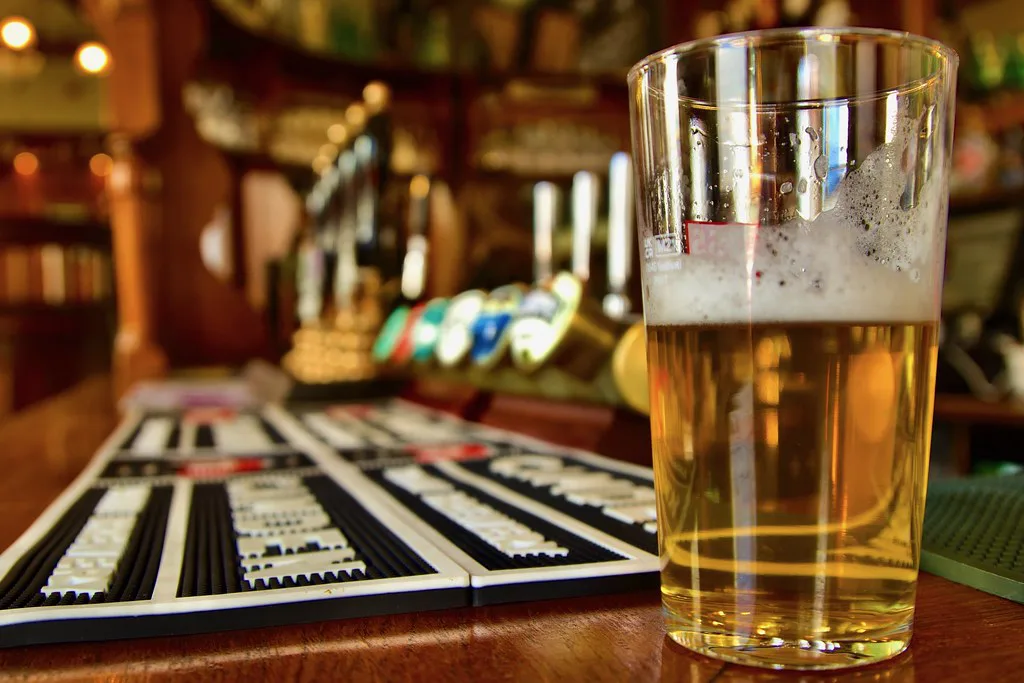
Bitter is the everyday English pale ale, amber to copper in colour, balanced towards malt with a drying hop finish. The strength bands are the useful part: ordinary bitter sits at roughly 3.4 to 3.9 per cent, best bitter around 4 to 4.5, and premium or strong bitter above that. If you want a session pint you can drink two of with a meal, order ordinary or best; if you want more depth, go premium.
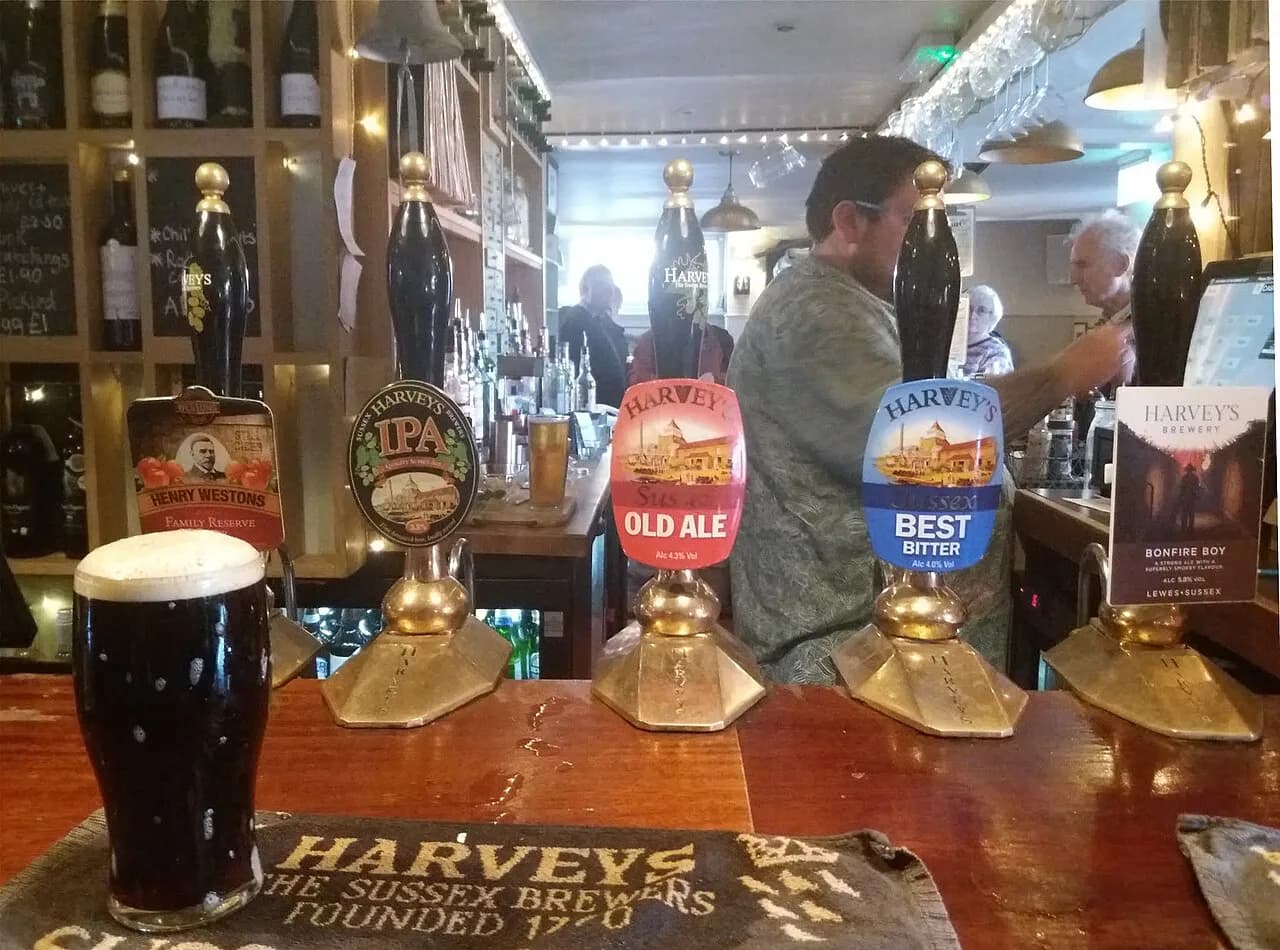
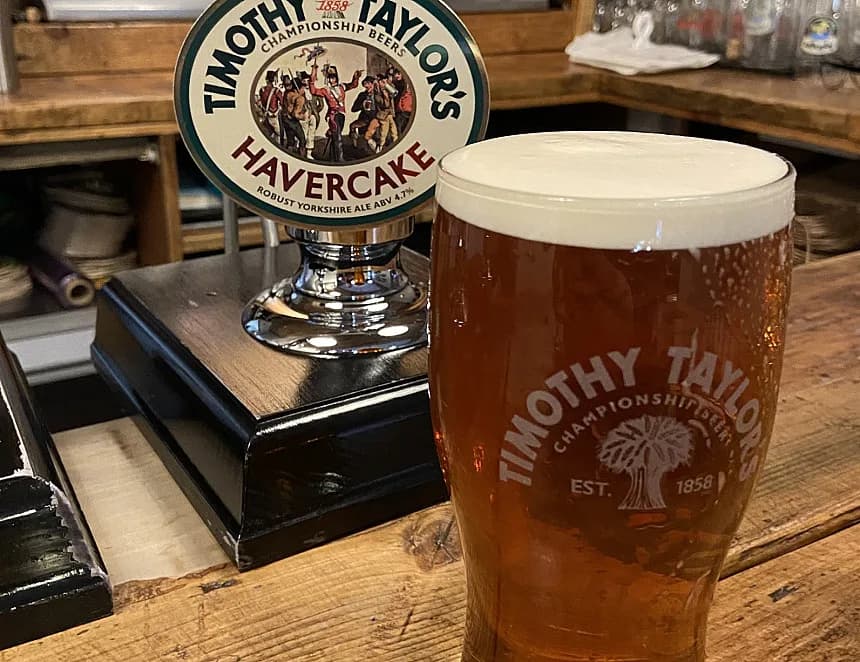
Two of the most reliable names to look for are Timothy Taylor Landlord from Keighley in West Yorkshire, a pale, hop-forward bitter, and Harvey's Sussex Best from Lewes in East Sussex. Both turn up widely on bars beyond their home regions, and both are the sort of pint that shows whether a pub looks after its cellar.
The trade-off is temperature and condition. A bitter served too cold loses its aroma, and one served from a pump that has been sitting all afternoon tastes flat and dull. If the first pull looks lively and the beer is clear, that is a good sign for everything else on the bar.
Mild: the low-strength dark ale worth ordering when you see it
Mild is the traditional dark, low-strength English ale, usually somewhere between 3 and 4 per cent, malty and lightly sweet with little hop bite. It is a beer for a long afternoon rather than a single showpiece, and it pairs well with simple pub food because it does not fight the plate.
Its problem is availability rather than quality. Mild fell out of fashion across much of England and survives strongly in pockets, particularly in the West Midlands and the North West, so it tends to turn up as a guest or a regional speciality rather than a fixture. When you see one on a pump clip, a half is usually enough to work out whether the pub knows what to do with dark beer.
Golden ale and pale ale: the hop-forward middle ground
Golden ale was the bridge between traditional bitter and modern hop-forward beer: pale malt, a clean fermentation, and a bright, dry finish at a strength you can drink more than one of. Fyne Ales Jarl, at 3.8 per cent, is the benchmark example, a cask beer built on Citra hops with grapefruit and kiwi aroma over a light malt base.
Marble Pint, brewed in Manchester, is another golden ale that earned a following on cask alone, dry and bitter with a heavy charge of fruity hops. Pale ale sits alongside it, often slightly stronger and less strictly golden, covering everything from soft hazy pints to sharp, clean examples.
For a reader who usually drinks lager and wants to edge towards ale, this is the section to order from. Ask for the palest, lowest-strength cask beer on the bar and you will usually land on a golden ale or a light bitter, a far gentler step than starting with a strong dark beer.
IPA and the modern British take on it, from Jaipur to Punk IPA
India pale ale in Britain now covers two things: the strong, hop-heavy pale ale of tradition and the modern, fruit-forward interpretation that became the flagship of the craft boom. Thornbridge Jaipur, brewed in Bakewell, Derbyshire, is the reference point for the first camp, a 5.9 per cent beer with heavy late hopping and a long bitter finish.
BrewDog Punk IPA is the other half of that story. The two beers share an origin, with BrewDog co-founder Martin Dickie involved in developing Jaipur shortly before Punk appeared in 2007, and both began in similar territory before Punk drifted to a more supermarket-friendly strength. Ordering one against the other is a fair way to taste how British palates moved.
The practical warning is strength. A modern IPA at 5.5 to 6.5 per cent is roughly one and a half times the alcohol of an ordinary bitter, so two rounds of it is a different evening. If you want the hop hit without the pace, look for a low-strength pale or a table beer instead.
Stout and porter: what separates them and what to order
Porter came first, a dark beer built on brown malt that fuelled London's beer trade, and stout began as the stronger member of the same family before becoming a style in its own right. In practice the boundary is blurred: both are dark, roast-driven beers, and the difference you will taste is between a dry, coffee-bitter stout and a softer, chocolate-and-toast porter.
The revival of dark beer in Britain has been led by brewers treating stout as a modern product rather than a heritage item. Anspach & Hobday's London Black, brewed in south London, made the fifth-place cut in one 2024 industry-voted list of UK beers, and it is the sort of dry, drinkable stout that converts people who think they do not like dark beer.
Lager and pilsner: the British brewed versions worth trying
British brewers now make excellent lager, and the names to know are mostly small. Lost and Grounded in Bristol brews Keller Pils, an unfiltered, hop-forward pilsner that took second place in the same 2024 list. Camden Hells, from north London, came fourth, and it is the widely available example of a clean, modern British lager.
The distinction worth holding onto is between a British-brewed pilsner, which is usually hoppier and more aromatic, and a mass-market lager, which is designed to be neutral and very cold. If you drink lager at home, ordering a keller pils on draught is the closest thing to an easy upgrade that also tells you something about the pub's buying.
The beers that shaped the last decade, and what they tell you about a pub list
Recent British beer history is best read through a handful of beers that changed what other brewers made. Cloudwater's double IPA work in Manchester pushed hop intensity and packaging design into the mainstream, the Kernel's table beer made low-strength beer respectable, and Burning Sky's saison brought Belgian-style farmhouse yeast into British brewhouses.
One 2024 industry-voted list put DEYA's Steady Rolling Man first, with Lost and Grounded's Keller Pils second and Timothy Taylor Landlord third, followed by Camden Hells and Anspach & Hobday London Black. Treat that as a snapshot of what brewers, buyers and drinkers were enthusiastic about in that year rather than a settled ranking of all British beer.
Used well, a ranking like that is a clue to what a pub might stock. A bar carrying two or three of those names is probably run by someone who buys deliberately; a bar carrying none may still be excellent, particularly if it majors on cask from local breweries.
Timothy Taylor Landlord, Harvey's Sussex Best and St Austell Proper Job: the classic benchmarks
If you want three pints that define the range, take these. Landlord is the pale, dry, hop-aromatic bitter; Harvey's Sussex Best is the soft, balanced, deeply English session bitter; and St Austell Proper Job, from Cornwall, is the modern hop-forward pale ale that sits in the upper fours by strength and tastes of grapefruit and pine.
They are useful benchmarks because they are consistent and widely distributed. Order whichever you find and you will have a yardstick for everything else on the bar: if a house bitter tastes thin next to Sussex Best, the cellar may be the issue rather than the recipe.
Newer names to look for: DEYA, Lost and Grounded, Verdant, Kernel, Burning Sky
The newer end of British brewing is scattered around the country, which makes it hard to describe as a single scene. DEYA is in Cheltenham and known for hazy pale ale; Lost and Grounded is in Bristol and works mostly in lager and Belgian-inspired styles; Verdant is in Falmouth and built its reputation on hop-forward pale ale such as Lightbulb.
The Kernel operates out of Bermondsey in south London and made its name on low-strength table beer and uncompromising pale ale. Burning Sky is in Firle, East Sussex, and brews saison and mixed-fermentation beer, with its Petite Saison appearing on the same 2024 list. None of these is a pub, so look for them as guest beers or on a well-chosen bottle shelf.
How to read a pump clip: ABV, brewery, and what 'cask' actually means
A pump clip carries two pieces of information you actually need: the brewery and the ABV. The ABV tells you pace and the brewery tells you likely style, since most brewers are consistent within their range. If the clip says cask, the beer is being served from a container that finished conditioning on site and should be clear and gently carbonated; if it says keg, expect colder and fizzier.
The rest of the clip is mostly description, and some of it is aspirational. Words like citrus, resin and tropical usually mean a lot of late hops; words like biscuit and toffee point to malt. If you are unsure, ask for a small taste before committing to a pint, which is normal practice in Britain and rarely refused.
What to order if you usually drink lager, and what to order if you Don't like hops
Lager drinkers should start with a golden ale or a keller pils rather than a dark beer. Ask for the palest, most lightly coloured cask beer at roughly 4 per cent or below; Jarl at 3.8 per cent or Marble Pint are the kind of thing you are looking for. If cask still feels like a step too far, a British-brewed pilsner on keg is the bridge.
If hops are the problem, go the other way entirely. Mild, porter and stout are built on malt, so the flavours are toast, chocolate and coffee rather than grapefruit and pine. A half of mild alongside a half of stout is a cheap way to work out which darker register you prefer before ordering a full pint.
Glassware, temperature and why a pint of bitter isn't meant to be ice cold
Cask beer is served at cellar temperature, roughly 11 to 13 degrees Celsius, which is cool enough to refresh but warm enough for the aroma to work. Serving it at lager temperature flattens the hops and makes the malt taste hollow, which is why a well-run pub will not over-chill its handpumps.
Glassware matters less than temperature but still matters. A nonic or a tulip-shaped pint glass holds aroma better than a straight-sided one, and a sparkler on the pump nozzle gives a tighter, creamier head in the north, while southern pubs often serve without one for a looser, more aromatic pint. Neither is correct; both tell you where you are.
Drinking British beer at home: bottles, cans and mixed cases
Supermarkets now stock a wide spread of British beer, but the range is skewed towards whatever sells in volume, so the interesting small-brewery beers are usually found in specialist bottle shops and online. Mixed cases are the low-risk way in, because you can try several styles without committing to a full case of one — but check what is actually in the box before you buy.
Check the format before ordering: bottle-conditioned beer needs careful pouring, and a fruited or sour mixed case will taste very different from a bitter drinker's usual pint. If you want a single reliable bottle for a Sunday lunch at home, look for a bottled bitter or stout from a brewery you already trust rather than a novelty selection. If you are unsure whether a venue leans towards food or drink, read up on what a gastropub is before you book, and our guide to pub etiquette in the UK covers the bar-side basics if you are unsure how to ask for a taste or a half.
Which British beer to try first
If you only have one pint to spend, order a best bitter from a brewery you recognise, or a golden ale if you normally drink lager. Both sit below the strength of a modern IPA, both show what cask conditioning does, and either will tell you quickly whether the pub keeps its beer well.
From there, work outwards: mild or stout if you prefer malt, a keller pils or British-brewed lager if you want cold and crisp, and a Jaipur or a hazy pale ale if hops are the point. The rest of the bar opens up once you know which of those three directions you are in.
Explore more United Kingdom guides
Frequently Asked Questions
Is British beer always served warm?
No. Cask beer is served at cellar temperature, roughly 11 to 13 degrees Celsius, which is cool but not chilled to lager temperature. Keg beer and British-brewed lager are served considerably colder. If a cask pint tastes flat and lifeless, temperature and how long it has sat on the pump are the usual suspects rather than the recipe.
Do Brits or Americans drink more beer?
Both countries drink a lot of beer, but the patterns differ, with Britain traditionally leaning towards ale and pub draught serves and the United States towards lager and packaged beer. For a visitor, the practical point is that British pubs sell beer by the pint and often in halves, so you can try several without overcommitting.
Which British beers are easiest for a lager drinker to start with?
Look for a golden ale or a British-brewed pilsner at around 4 per cent or below. Fyne Ales Jarl at 3.8 per cent and Marble Pint are both light in colour and hop-forward rather than malty, and a keller pils such as Lost and Grounded's gives you the cold, crisp end of the range.
Sources
Notes on eating out in the UK
Optional updates when our city guides change.
You might also like
Continue reading
More guides you'll find useful