Fish and Chips in the United Kingdom: What to Order
A practical guide to fish and chips in Britain: cod or haddock, batter and chips, mushy peas, scraps and curry sauce, and how to judge a good chippy.
On this page
Fish and chips is Britain's national takeaway, and the single most useful thing to know before you order is that cod and haddock behave very differently on the plate. Ask for haddock if you want a firmer, slightly sweeter fillet under a thinner crisp shell; choose cod for a larger, softer flake that suits a thick, crunchy batter. This guide covers the choices that actually matter at the counter: fish, batter, chips, the supporting cast of mushy peas and scraps, portion sizes, and whether to sit in or eat from the paper.
It is a takeaway with regional grammar. The same order changes name and shape as you move around the country, and the extras that feel essential in one town are unknown in another. Treat the counter staff as your guide: they will tell you what is fried fresh, what the local habit is and whether scraps are on offer.
Cod or haddock: the first decision at the counter
Cod is the bigger, blander, flakier fish, and it takes a heavy batter well because its large flakes hold together. Haddock is firmer, a touch sweeter and often considered the connoisseur's choice in northern chippies, where it is frequently the fish the locals order. If you only eat one portion, haddock usually gives you more flavour per bite; cod suits anyone who wants a gentle, meaty slab with plenty of vinegar.
Other fish appear on most boards and are worth knowing. Hake and pollock are common alternatives with a softer, whiter flesh, plaice is a flat fish that fries into something delicate, and skate is a regional speciality in some coastal towns. If the board lists only one white fish, ask which it is; the answer tells you how the shop buys and how confident it is in its frying.
Batter, chips and frying: how to judge a chippy
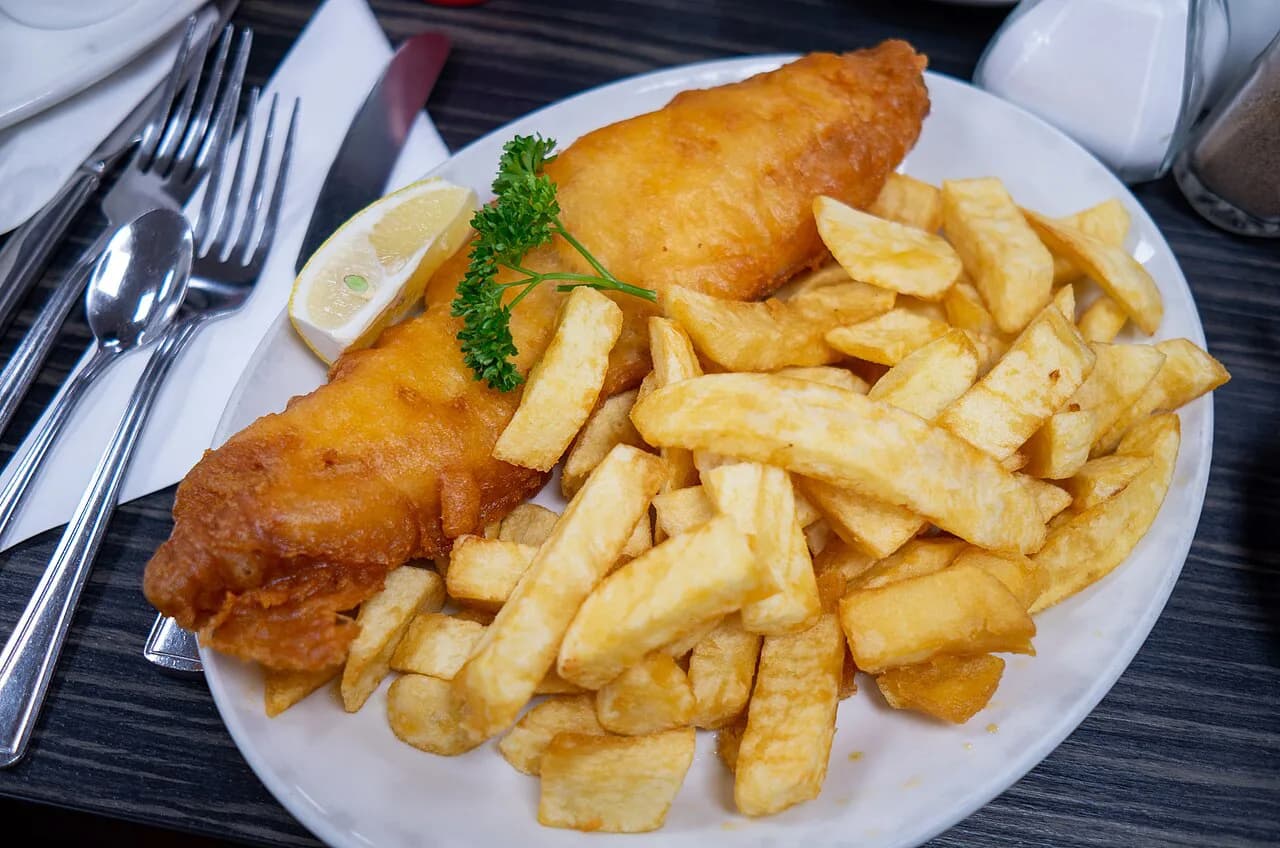
Good batter is thin, crisp and pale gold, clinging to the fish rather than sliding off in one sheet, and it should stay crisp for the walk home rather than turning limp within minutes. Chips are the harder test: they should be chunky, floury inside and crisp at the edges, not pale and greasy or dark and bitter. A chippy that gets chips right usually gets everything else right too, because the same oil and temperature discipline governs both.
Watch the fryer rather than the sign. Fish dropped to order and served within a couple of minutes tastes markedly better than fish held under a lamp, so a queue of local people waiting is a good sign. Fresh oil smells clean rather than acrid, and a busy shop at an odd hour suggests regulars who know the timing. Those signals are far more reliable than any plaque on the wall.
What to eat with fish and chips
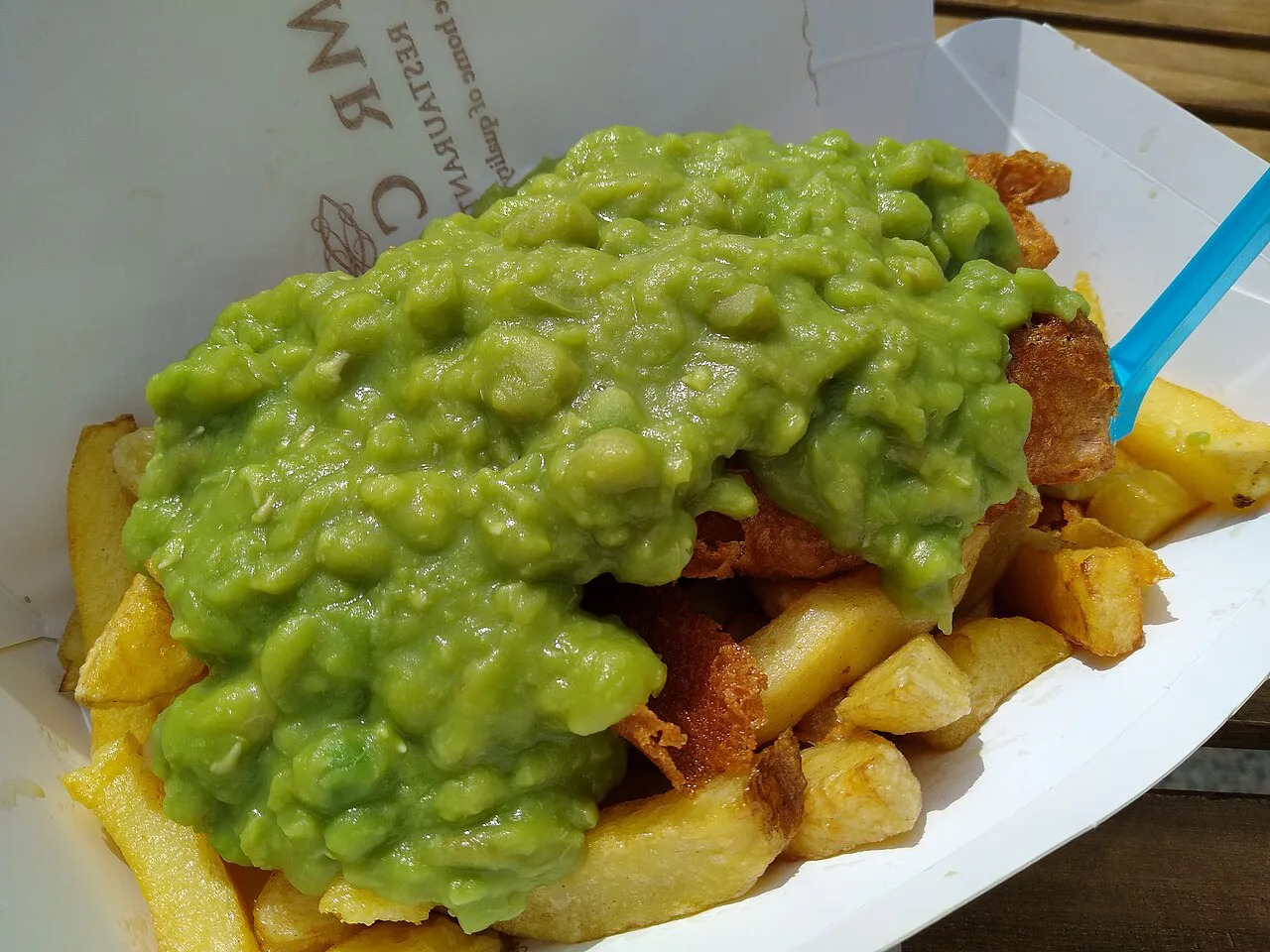
Mushy peas are the classic partner: dried marrowfat peas soaked and simmered until they collapse into a soft, savoury green mash, sharper and less sweet than garden peas. They cut through the fat of the batter in a way that ketchup cannot, and they are the default in the north of England. Tartare sauce does the same job with more acidity and crunch, and a wedge of lemon is the simplest option of all.
Scraps are the small, crisp fragments of batter that fall off the fish, and in parts of the north they are offered free or for pennies as a topping scattered over the chips. Curry sauce, a mild, thick, spiced sauce, is the other great regional extra and divides opinion sharply; order it on the side so you can decide for yourself. Pickled onions and a pickled egg bring sharpness, and a chip butty, chips in buttered white bread, is the cheapest way to turn a small portion into a meal.
If you want the full picture of how these supporting dishes fit into the wider cuisine, our guide to traditional British food covers the classics from roast dinners to puddings. Fish and chips sits alongside them as the everyday end of the spectrum, best judged by how carefully the simple things are done.
Portion sizes and how to order
Most chippies sell fish in single or double portions, and the double is often one large fillet rather than two, so ask before you commit if you are sharing. Chips come in small, regular and large, and the jump between sizes is rarely proportionate to the price. A regular fish with a small chips is a sensible lunch; a double fish with large chips is a serious appetite or two people.
Beyond the fillets, the board usually offers a battered sausage, a fish cake and often a pie or a chicken portion, all fried in the same batter and oil. These are the budget route into a chippy and a good way to feed children without waste; many shops will do a smaller fish or a child's portion on request even when it is not listed. Ask for salt and vinegar before the paper goes on, and specify whether you want them on the fish, the chips or both.
Sitting in or taking away
Eating from the paper outdoors is the purist's choice: the malt vinegar soaks into the chips, the batter stays crisp in the cold air, and you can salt to your own taste. The trade-off is that chips soften fast and the paper traps steam, so eat within ten minutes or so of leaving the counter. Sit-in chippies, often with proper plates and a pot of tea, cost more and serve a slightly different meal, with peas and bread often included and the fish fried to order for the table.
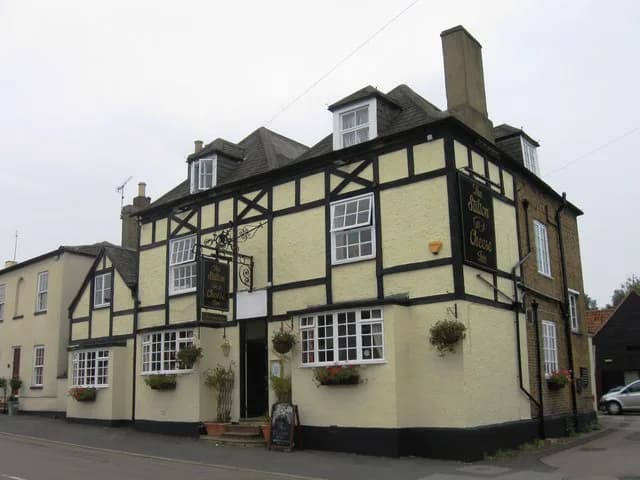
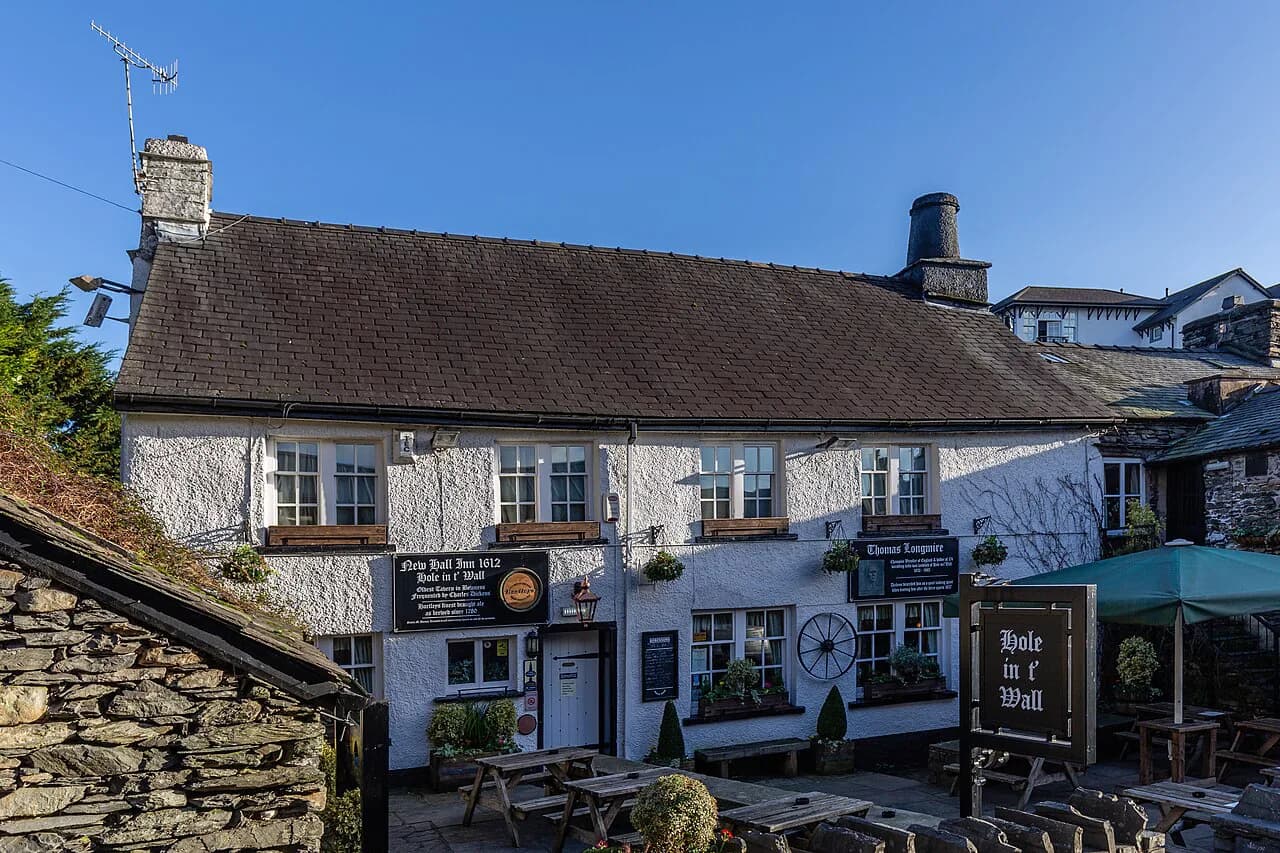
If you are staying somewhere with rooms and want a proper sit-down meal rather than a takeaway, pubs with rooms are worth considering for the evening, though fish and chips from the chippy is the more honest test of a town's cooking. Our Sunday roast guide is the companion read for the other great British eating occasion, where the same principle applies: judge a kitchen by how it handles the basics.
Coast versus town
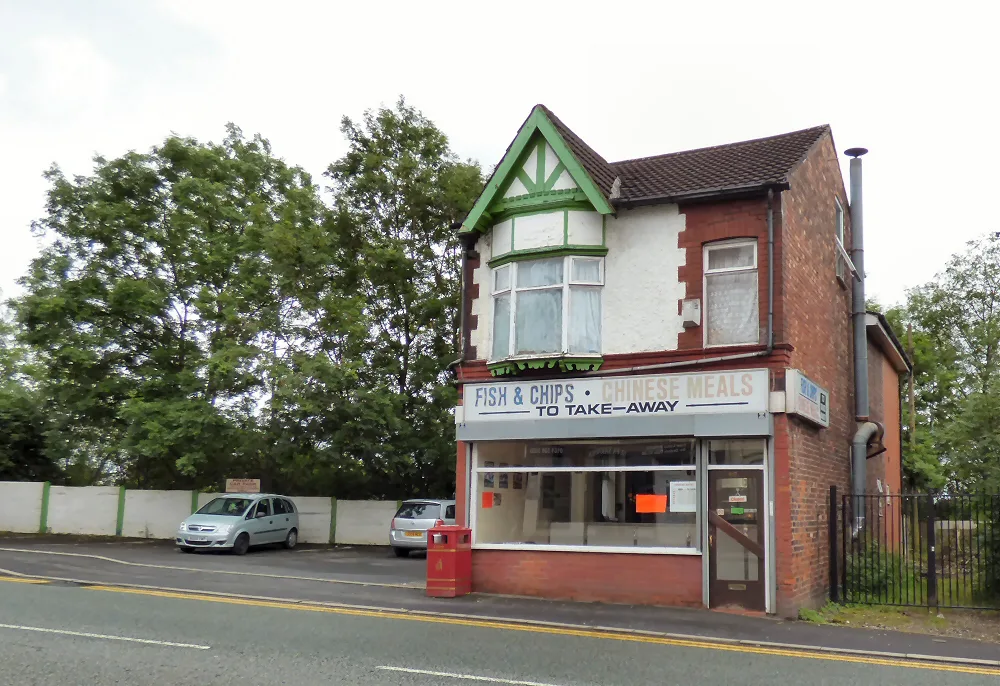
A chippy by the sea has one great advantage: the fish is often landed nearby and the turnover on a sunny weekend is enormous, which means fresher stock and hotter fryers. The trade-off is price and crowds, with coastal shops charging a premium in season and queues stretching down the street. Inland chippies can be just as good, and the best ones build their reputation on consistent frying rather than a view.
If you are planning a day out around a meal, look for a town where the chippy is a local institution rather than a tourist convenience, then build the rest of the day around it. Our city guides name places worth the trip and say where each one sits, so you can match the chippy to the walk rather than the other way round.
Regional habits worth knowing
Scraps and mushy peas dominate in the north, while in parts of the south you are more likely to be offered garden peas or a wedge of lemon. In Scotland, a fish supper means fish and chips, and the batter is often a little thicker; in Northern Ireland, the same order comes with different local extras and a strong tradition of brown sauce. None of this is a rule, but it explains why the counter may look at you oddly if you order the wrong way.
These regional differences are the same ones that run through the rest of British cooking, and they are worth seeking out rather than smoothing over. The companion guide to traditional British food and the companion guide to English food fill in the rest of the picture, from puddings to pies.
Price as a signal, not a verdict
Fish and chips is not a cheap meal any more, and the price on the board tells you something about how the shop buys and cooks. A shop charging well above its neighbours is usually paying for better fish, fresher oil and a better cut of potato, and the difference often shows in the chips. A shop charging very little is worth a look, but check whether the fish is thin, the batter heavy or the chips cooked from frozen.
Prices move with the cost of fish and oil, so any figure you read online or on an old review is likely to be out of date. Look at the board in the window, or ask before you order, especially for double portions and extras. The sensible test is value rather than absolute cost: a generous haddock with good chips at a fair price beats a bargain that leaves you hungry.
Where fish and chips fits into a day out
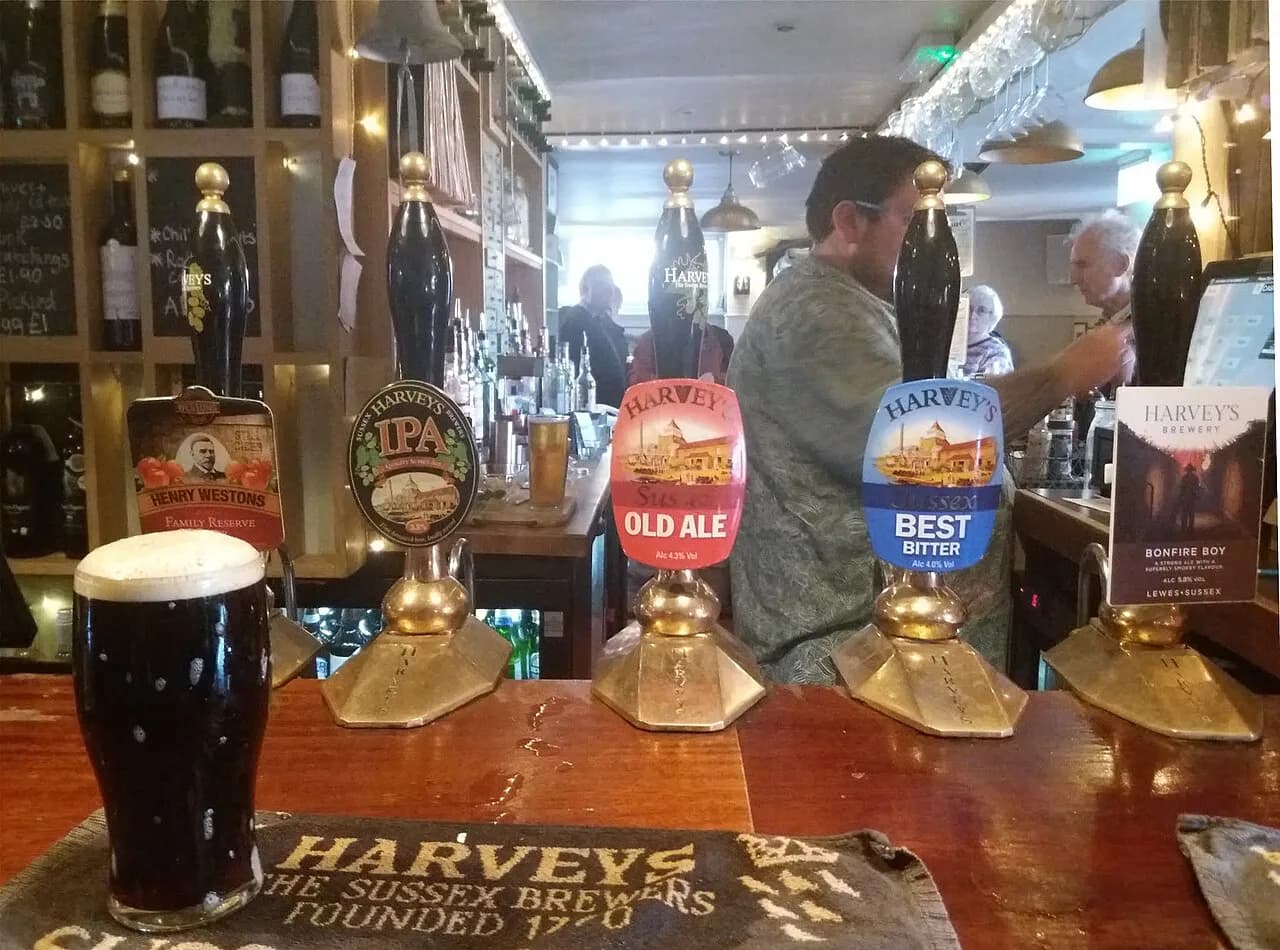
The best way to eat fish and chips is as the anchor of a simple day: a walk, a pint, then the chippy on the way back. Our city guides cover the pubs and the named places to eat in each town, so you can pair a chippy with a real ale pub nearby rather than guessing.
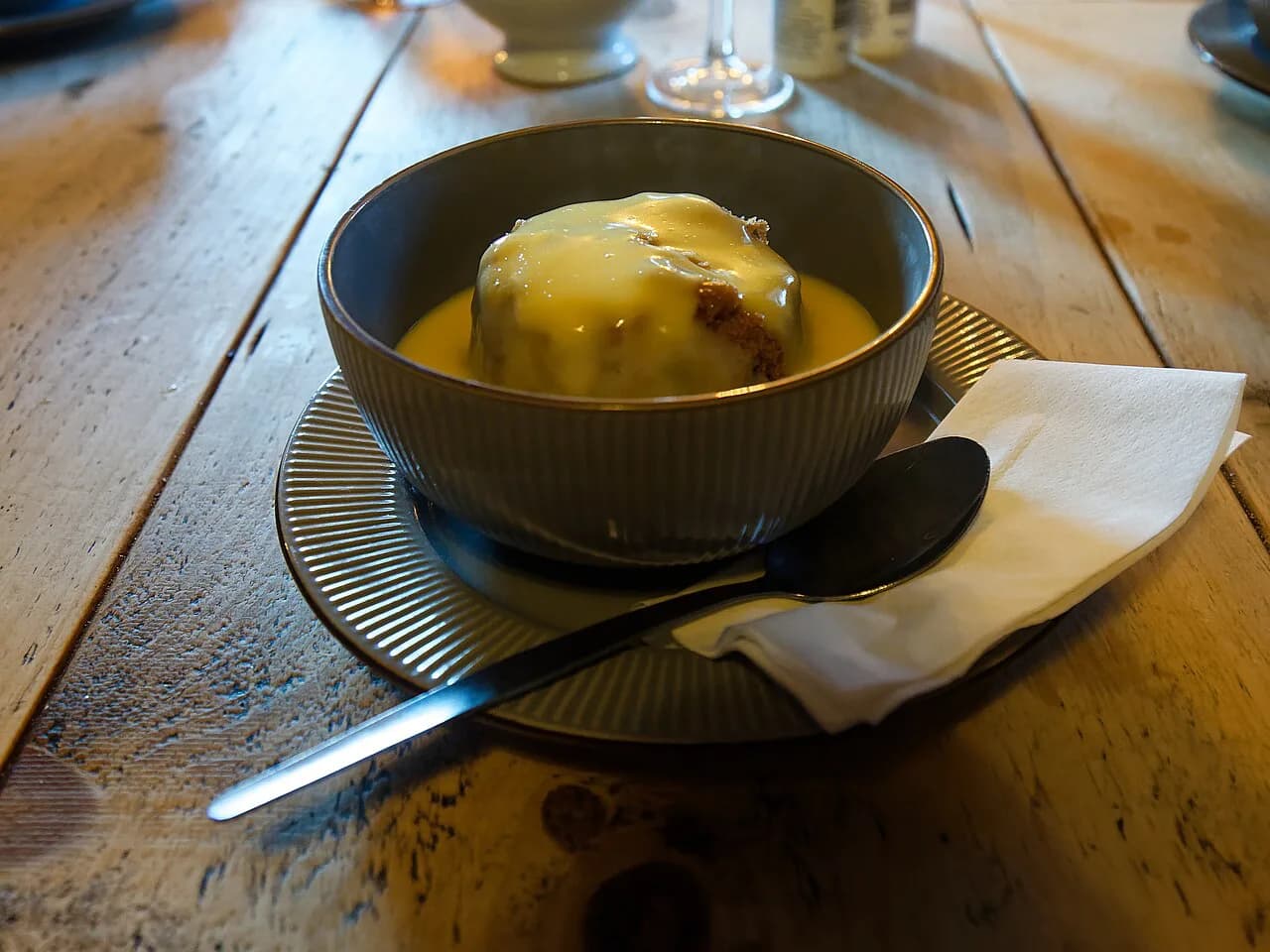
For anyone who wants to go deeper into the food, our guides to British food to try and to British desserts cover the dishes that sit around fish and chips on a British menu, from mushy peas to sticky toffee pudding. Read them together and you have a workable eating plan for a weekend rather than a list of dishes.
Which chippy order should you actually place?
Order haddock if you want flavour and a firmer bite, cod if you want a big soft flake under thick batter, and a regular fish with small chips if you are eating alone. Add mushy peas or scraps if the shop offers them, keep curry sauce on the side, and ask for salt and vinegar before the paper goes on.
Then judge the shop on the chips and the queue rather than the sign, and eat within ten minutes of leaving the counter. If you are planning the meal around a day out, use the city guides for named places near your walk and check the board for current prices before you commit.
Explore more United Kingdom guides
Frequently Asked Questions
What do you eat with fish and chips?
Mushy peas are the classic partner, with tartare sauce or a squeeze of lemon for acidity. Scraps, the crisp bits of batter, are scattered over the chips in parts of the north, and curry sauce is a popular regional extra. A pickled onion or a chip butty turns a small portion into a full meal.
Is fish and chips a British thing?
Yes. Fish and chips is widely treated as Britain's national takeaway, eaten across England, Scotland, Wales and Northern Ireland, with regional habits such as scraps in the north and different pea traditions. The details of the order change from town to town, which is part of its character.
What is the difference between cod and haddock in fish and chips?
Cod is larger, softer and blander, with big flakes that suit a thick batter. Haddock is firmer and slightly sweeter, often with a thinner crisp shell, and is the fish many northern chippies' regulars ask for. Choose cod for a gentle meaty slab, haddock for more flavour per bite.
Sources
Notes on eating out in the UK
Optional updates when our city guides change.
You might also like
Continue reading
More guides you'll find useful