
Liverpool Gin Distillery: A Practical Guide to Visiting

Liverpool Gin Distillery is a multi-level bar and working distillery on Castle Street in Liverpool city centre. A 2019 opening-period account describes ticketed upper-floor tours, a tasting session and a hands-on gin-making option, with the ground-floor gin bar and the basement dark spirits bar the parts open to visitors without a tour ticket, though access and hours can change, so confirm before setting out. This guide sets out where it is, how to get there from the waterfront, what each part of the building offers, and how much time to allow.
Before you go, confirm opening hours, tour times, session prices and whether the bars are open to non-bookers, and book through the distillery's own site rather than trusting an old listing. Visitor information and private-hire terms are easily confused online: the small print of a hire page is not the same as the house rules for someone turning up for a tour or a drink.
What it is and where it sits on Castle Street
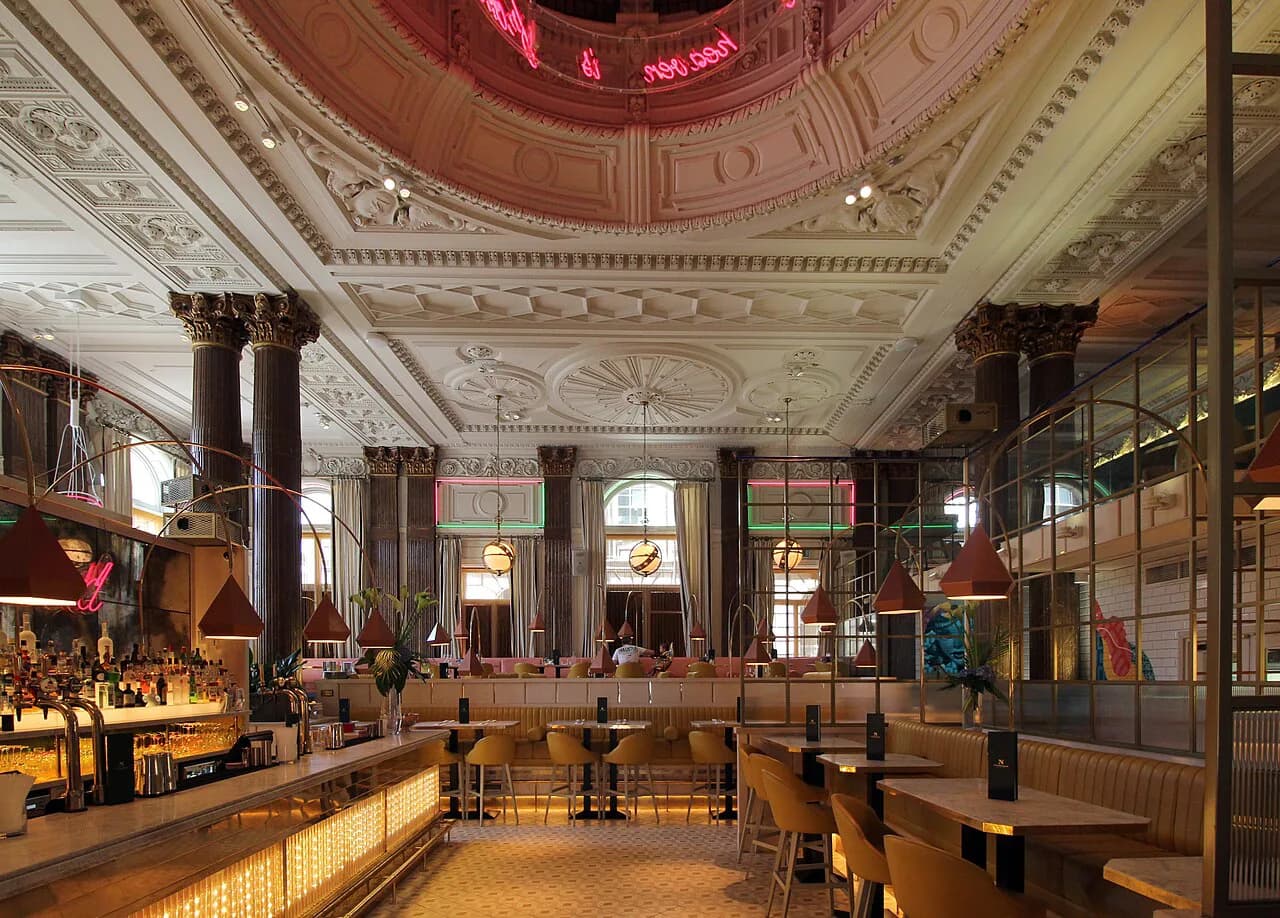
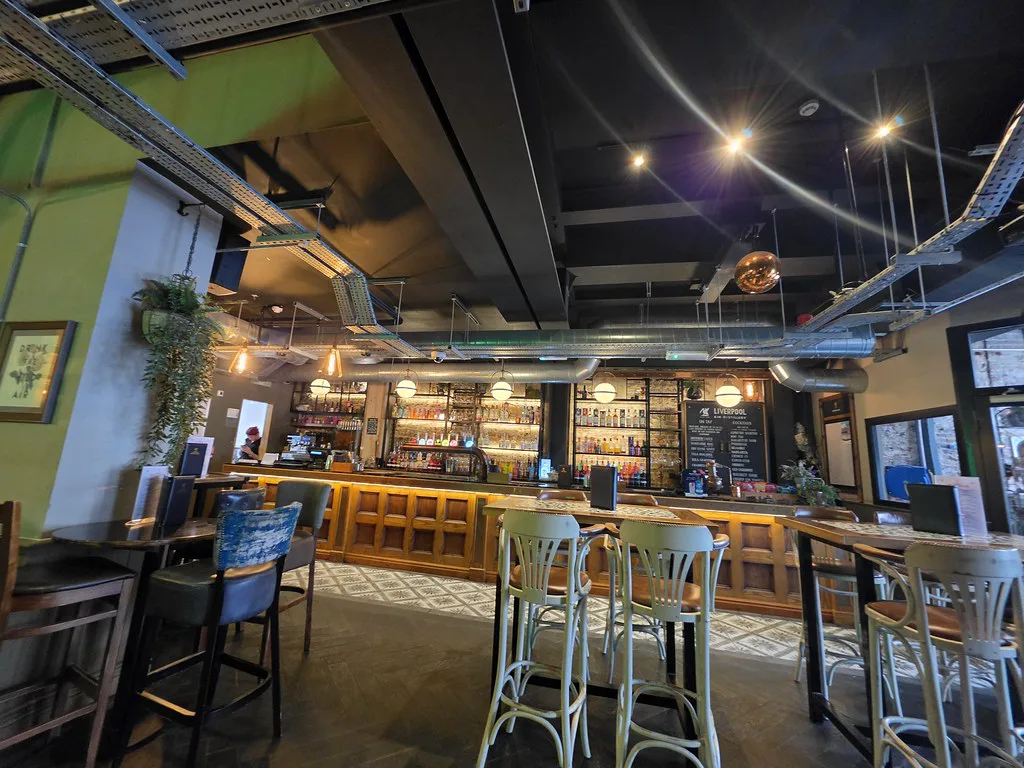
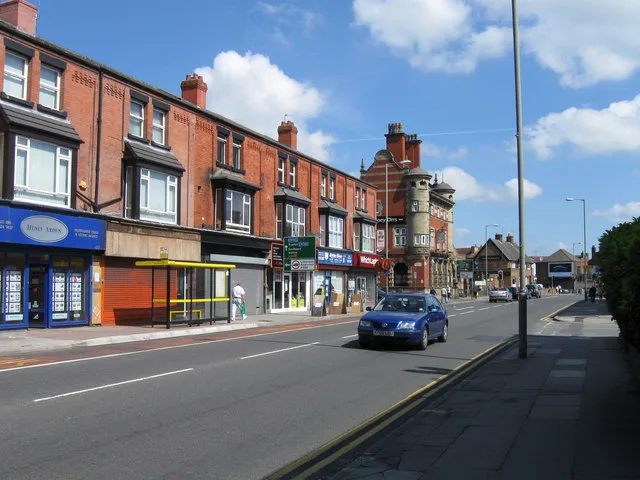
The distillery is on Castle Street in the L2 postcode, in the heart of Liverpool's commercial centre and a short walk from the main shopping streets. Castle Street is a straight, walkable run of offices, banks and bars, so the distillery sits naturally on a route between the city centre and the waterfront rather than off on an industrial estate. A private-hire listing describes the interior as exposed brick, high ceilings, large windows, leather chesterfield seating and metal fixtures, with visible copper stills as the talking point. You get a sense of the operation from the bar itself, without buying a ticket, though a working still may be idle, mid-run or being cleaned.
To compare the named places one by one, browse Liverpool pubs and food landmarks. The Castle Street location makes the distillery an easy first or last call, because you are already in the middle of things.
How to get there from the Albert Dock, Moorfields and Liverpool Central
From the Albert Dock and the waterfront, head inland and uphill through the commercial district to Castle Street; it is a short walk rather than a long haul, and worth checking on a map if you are pressed for time. From Moorfields station the distillery is a short walk in the same direction. Liverpool Central is the other obvious arrival point, putting you within a few minutes of Castle Street for anyone coming in on the Merseyrail network.
If you are building a walk around the old pubs, the Philharmonic Dining Rooms, Liverpool is inland on Hope Street, while the Baltic Fleet, Liverpool sits on the Strand below the commercial quarter. Both are pub stops rather than distillery substitutes, and Castle Street puts you within reach of each.
The building floor by floor
A 2019 account of the opening describes a clear split: a ground-floor gin bar at street level, stocking the Liverpool Gin range alongside Whitley Neill bottlings and tonics, with the copper still at the front; a basement bar with a darker, prohibition-style feel, serving rum and whisky, plus a kitchen for snacks and nibbles; and upper floors reserved for ticket-holders on tours. Treat that as a snapshot from 2019 rather than the current picture, because stock changes and the Liverpool Gin range has grown since.
That layering is the useful thing to know before you arrive: the bars sit at ground and basement level, and the upper floors are for ticketed sessions. If your group includes someone who does not drink gin, the basement gives them rum, whisky and food rather than a tonic they will not finish.
The working still, Margaret, and what you can see from the bar
The centrepiece at street level is a 600-litre copper still known as Margaret, positioned at the front of the ground-floor bar. A 2019 account reported it in full working order during opening hours, and resting over the Christmas period. That is the nature of a working still rather than a display piece: it may be mid-run, idle or being cleaned, so treat a glimpse as a bonus rather than a guarantee and ask at the bar.
If the still is the reason you are going, ask at the bar on arrival whether it is running that day, and if a proper look matters, the guided session is the more reliable route than a hopeful peer through the glass.
The tour and tasting: what the session covers
The tour and tasting package described in 2019 began with a private tasting of the four gins in the Liverpool Gin range at the time, guided by the head bartender, with each gin sampled neat and with tonic and talk through tasting notes and pairings. Rose Petal Gin and a Lemongrass and Ginger bottling were among the line-up then. Think of the session as a seated, guided tasting with a look around the building rather than a walk through a production floor, and expect the line-up to have moved on since.
The Gin Guide's Merseyside round-up is a separate check on which gins are made in the city if you want to know what you are tasting; it lists Liverpool Gin among the local products. Check the current tasting line-up and session format with the distillery when you book, since neither the range nor the session structure is fixed.
The Gin Lab: bottle your own and keep the recipe on file
The hands-on option is the Gin Lab, where you distil your own bottle on site; the recipe is stored so you can order refills later. That refill angle is the real argument for booking ahead rather than turning up and hoping: it turns a one-off session into something you can repeat. The detail comes from the venue's private-hire listing rather than a visitor page, so confirm the session length, what is included and whether refills are currently offered when you book.
The same listing carries terms for a private bar space, including minimum spends and closing times for hired events. Those are not visitor rules: ignore them when planning a normal visit and rely on what the distillery tells you at booking. In particular, do not read any event age policy as a house rule for the bar or tours.
The two bars as a walk-in option
For a drink and a snack, the ground-floor gin bar and the basement dark spirits bar are the parts that a 2019 account describes as open to all comers, with the upper floors needing a ticket; check current hours and access before relying on that. The basement kitchen covered snacks and nibbles rather than full meals at the time, so eat properly beforehand if you are staying for a session. For a straightforward pint instead, Ye Cracke, Liverpool is a short walk away on Rice Street and a very different kind of stop.
For something to eat that is not the distillery's snack menu, Lovelocks Liverpool is a daytime option in the city centre, and the Bridewell, Liverpool is another pub stop within reach. Neither is part of the distillery, but together with the bars they fill a half-day without a booking.

How much time to allow, and when to book
Allow about an hour for a drink and a look at the still, and closer to two hours if you have booked a tasting or a gin-making session, though session lengths are not published for visitors, so check when you book. Sessions are ticketed rather than casual drop-ins; the distillery's own site or a phone call is the way to confirm what is running. Early afternoon suits a tasting followed by a walk to the waterfront, while an evening visit puts you in the bar for the busier end of the day.
One check covers it: confirm hours, session times and whether the upper floors are open on the day you are going. For more old-pub options in the same part of town, Peter Kavanagh's, Liverpool is worth knowing, and the Lion Tavern, Liverpool is a short walk from the commercial centre.
Who it suits, and who should give it a miss
It suits gin drinkers who want to taste the city's own bottlings with guidance, groups where some people only want a beer or a dark spirit, and anyone who likes seeing working kit while they drink. Skip the ticketed parts if you are after a hands-on distillery walkthrough: this is a tasting with a look around, not a tour of a large production floor. Skip it altogether if you want a quiet pub; on a busy evening a city-centre bar is the opposite.
Nearby for the rest of the day
Castle Street leads naturally down toward the waterfront and the Albert Dock, so the distillery pairs well with the dock and a wander along the river. Finish with a proper pub: the Philharmonic Dining Rooms, Liverpool on Hope Street is the showpiece, while the Baltic Fleet, Liverpool is the closer waterfront option for a pint and a plate. To compare the named places one by one, browse Liverpool pubs and food landmarks.
Is the distillery worth an hour of your day?
Yes, if you want to see a working still, taste Liverpool-made gin and have a proper drink in the middle of town; the bars make it an easy stop even if you skip the tour, provided you confirm access and hours first. Book the tasting or Gin Lab only if the guided side is the point of your trip, and confirm session times and prices with the distillery rather than relying on older write-ups. It slots neatly between Castle Street and the Albert Dock, so build it into a waterfront day rather than making a separate journey.
Frequently Asked Questions
Can you visit Liverpool Gin Distillery without booking a tour?
A 2019 account describes the ground-floor gin bar and the basement dark spirits bar as open to all comers, with the still at the front of the ground floor, and the upper floors used for ticketed tours, tastings and gin-making sessions. Access and hours can change, so check current details before you go.
How do you get to Liverpool Gin Distillery from the Albert Dock?
Walk inland and uphill from the waterfront through the commercial district to Castle Street, a short walk worth plotting on a map. Moorfields and Liverpool Central stations are both a short walk away if you are arriving by train, and the address is in the L2 postcode on Castle Street.
Do you need to book the Gin Lab in advance?
Book ahead. The Gin Lab is a session where you distil your own bottle on site, and a private-hire listing mentions storing your recipe for future refills; neither detail is confirmed on a visitor page, so check the current session format and whether refills are offered when you book through the distillery's own site.
How long does a visit take?
Allow about an hour for a drink and a look at the still, or closer to two hours if you have booked a tasting or gin-making session, though session lengths are not published for visitors, so confirm when you book. If you want a proper look at the still and the distilling side, the guided session is the reliable option rather than relying on a drop-in.