Liverpool Food: What to Eat and Where to Eat It
A candid guide to Liverpool food, from Scouse and pub cooking to tapas, steak and small plates, with what each place is good for and how to plan around it.
On this page
Liverpool food is best understood in two layers: the dockland home cooking that gave the city Scouse, and a compact centre packed with restaurants you can walk between. Start with the local dish, then choose your venue by occasion rather than by ranking, because a steak house, a tapas bar and a fine-dining room solve very different evenings.
This guide explains the dishes worth ordering first, then groups named places by what they are good for, from a big night out on Seel Street to a table with a view. It covers the city centre and its immediate edges, so you can plan a meal around a show, a match or a weekend without crossing town twice.
What Liverpool food actually means
Scouse is the dish most closely tied to the city: a slow-cooked stew of lamb or beef with potatoes, carrots and often swede, served with bread and beetroot or red cabbage on the side. It came out of the port's working households, where a cheap cut and root vegetables could feed a family and stretch a day further. Order it as a main rather than a starter, and expect a thick, gravy-heavy bowl rather than anything delicate.
The wider picture is pub cooking plus a modern restaurant scene. Liverpool's centre has a dense cluster of independent rooms, and a city food and drink guide keeps a running record of openings, pop-ups and neighbourhood spots across the centre.
Beyond Scouse, look for the staples of north-west eating: pies, Sunday lunch, fish and chips and a proper cooked breakfast. A local chippy is still the cheapest way to eat well after a long walk, and a carvery or pub roast is the standard Sunday answer. Where a kitchen's times or a roast's availability matter, phone ahead rather than trusting an old page.
Local dishes and ingredients to try first
Wet nelly is the local name for a dense, sticky gingerbread-style cake, and it is the pud to look for when you want something made in the city rather than imported. It is heavy, spiced and best with a cup of tea or a pint of mild. Bakeries and cafés sell it in slices, so it makes an easy mid-afternoon stop between meals.
Scouse is sometimes called lobscouse, and the name travelled with Liverpool sailors to other ports, which is why similar stews turn up along the Mersey and beyond. If a menu lists it, ask whether it is made with lamb or beef, as the two give quite different bowls. Either way, it is a cold-weather dish, and it is at its best in a plain, comfortable room rather than a smart dining room.
The Mersey backdrop matters too: the city's eating has always leaned on the river and the docks, from fish to the pub trade that fed the port. That history is why so much of the centre's drinking and eating sits within a short walk of the waterfront. For a fuller picture of what to do between meals, the wider city guide sets the geography.
Classic British and pub cooking
A Sunday lunch or a pie is the most reliable way to eat in Liverpool without spending a fortune or booking weeks ahead. Pubs in the centre fill up early on Saturdays and after home matches, so aim for a late lunch or an early dinner if you want a table without a wait. If a roast is the reason for the trip, ring the pub on the day to check it is still on.
For a cheaper, quicker version of the same idea, the city's chippies and cafés cover lunch and an early tea. The budget end of the city is where you will eat best on a day trip, and it is worth planning around one sit-down meal rather than three. More ideas for that tier sit in the cheap eats Liverpool guide.
Steak and grill: Cowshed on Seel Street
Cowshed Liverpool sits on Seel Street and builds its menu around different cuts of steak, each cooked to order. It suits a group that wants a proper sit-down dinner with a lively room, and the atmosphere builds as the evening goes on, so an early booking is calmer than a late one. Sides are traditional but worked to complement the beef rather than compete with it.
Treat it as the big-night option rather than a quick pre-theatre stop, and book if you are eating after eight, when the room gets busiest. Seel Street also puts you within walking distance of the rest of the centre, so it works as the start of an evening rather than a detour.
Fine dining and rooms with a view
The Art School Restaurant is the city's fine-dining pick, the sort of place you book when the cooking is the reason for the evening. Panoramic 34 is chosen for its view over the city and the river, which makes it a different kind of splurge: the setting does much of the work. Pick between them by whether the meal or the view is the point of the night.
For a wider shortlist of high-end rooms and what to book when they are full, the guide to fine dining in Liverpool covers the alternatives.
Small plates and sharing: Salt House Tapas and Bacaro
Salt House Tapas and Bacaro both work on the small-plates model, where you order several dishes and share, which suits a table of three or four far better than a couple. Salt House leans Spanish tapas, while Bacaro takes a similar shareable approach with its own menu. The trade-off is cost control: portions add up, so agree a number of dishes per person before you order.
These rooms are good for a long, talkative lunch or an early dinner before a show, when you want to graze rather than commit to a main each. Because plates arrive as they are ready, they are a poor fit if you need to be out by a fixed time.
Global cooking in the city centre
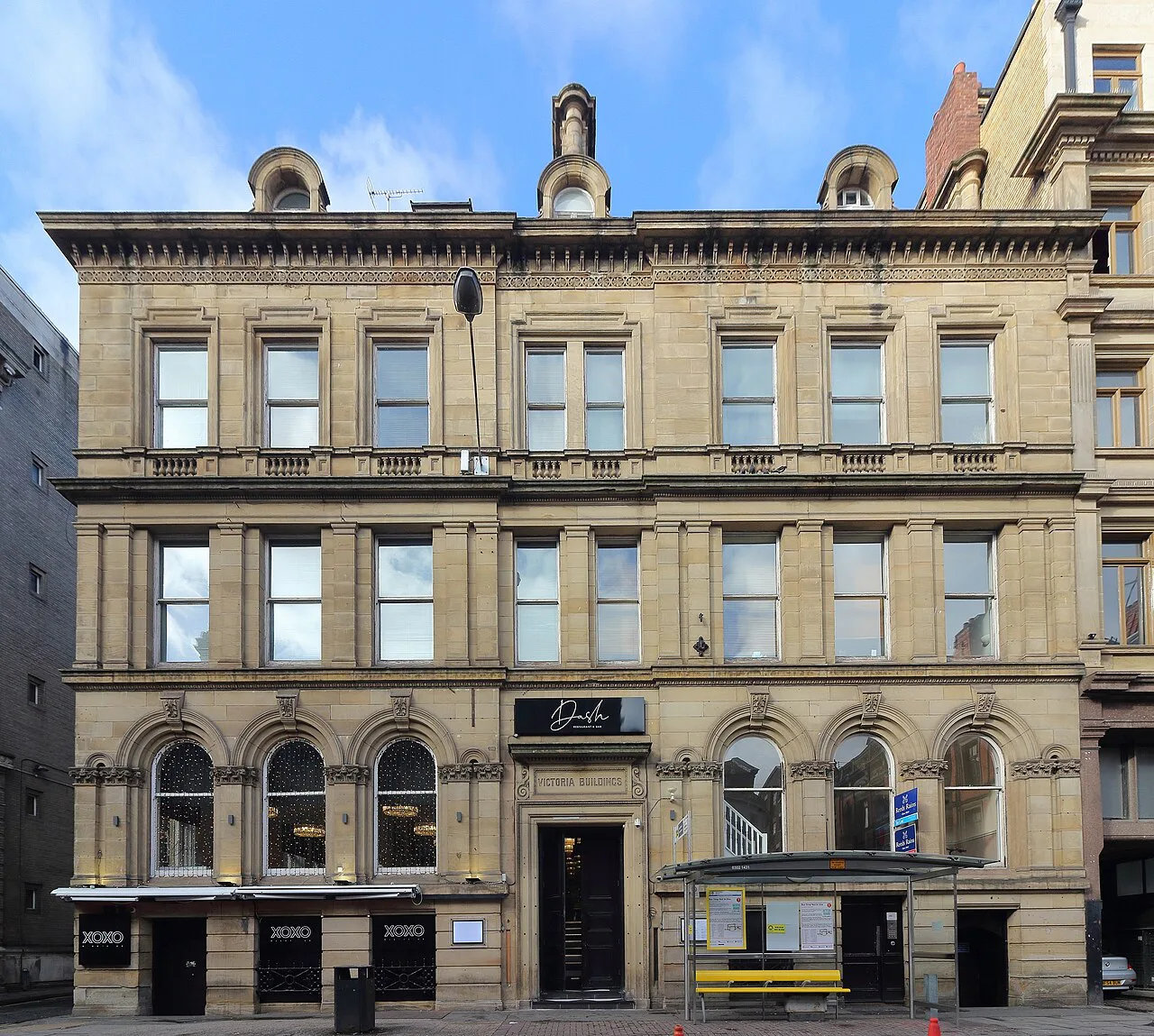
Mowgli Street Food has a Water Street address, and Etsu offers Japanese cooking nearby, so the two cover very different cravings within a few minutes' walk. Turtle Bay on Victoria Street brings Caribbean cooking to the centre, and La Finca Eivissa adds a Mediterranean option to the same cluster. Water Street and Victoria Street are close enough to browse on foot before deciding.
For a deeper comparison of the city's curry houses and regional Indian cooking, the Indian restaurants Liverpool guide is the place to start.
If your group is split between meat and plant-based eaters, check menus before you commit to a table, as the city's vegan places tend to be separate rooms rather than a token option on a steak-house menu.
Fish is the other obvious order in a port city, and the seafood restaurants span chippy-level plates to sit-down menus.
Lunch, casual and pre-theatre choices
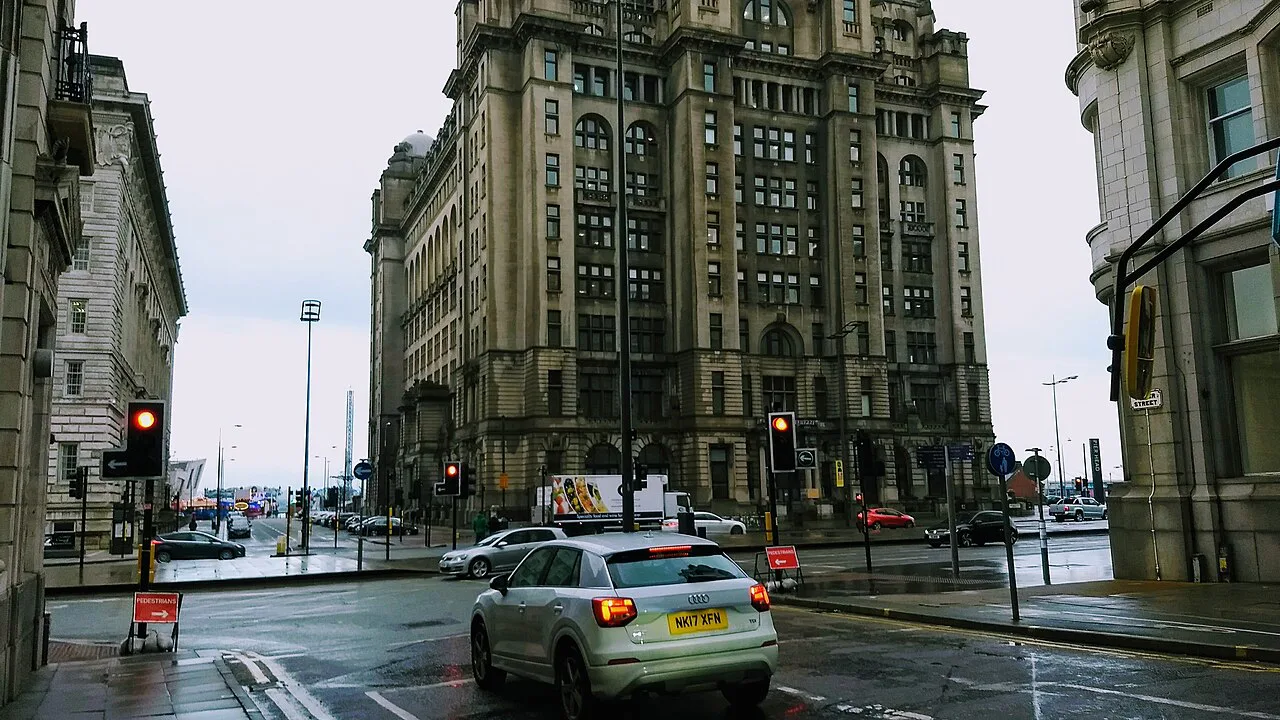
The Quarter is the sort of central, all-round room that works for lunch, a casual dinner or a plate before a show, which makes it a useful fallback when plans are loose. Use it when you want one booking to cover the whole party rather than a tasting menu or a sequence of small plates. Because it is central, it also keeps you within walking distance of the main venues.
For anything time-sensitive, book the earliest sitting that leaves you twenty minutes' walk to the theatre or station, and confirm the kitchen's last orders when you book. That single step removes most of the stress from an evening out.
Budget and mid-range: how to choose without overspending
The simplest way to control spend in Liverpool is to decide the meal, then the room: a chippy tea, a pub main, or a shared spread of small plates. Steak and fine dining are the nights that need a budget conversation in advance, since sides, starters and drinks are where the total climbs. Pick one big meal per day and keep the rest casual.
If you want a ranked shortlist rather than a guide by occasion, the best restaurants in Liverpool is organised around what you are after, which makes it easy to match a place to a plan.
Breakfast and brunch places across the centre let you start the day properly and skip lunch on a day trip, which keeps the budget for one good evening meal.
Practicalities: booking, kitchen times and queues
Book for steak houses, fine dining and any Saturday evening table, and expect walk-ins to be tight after home matches. For small-plates rooms, a booking matters more for groups than for two. Sunday lunch is the one meal where an early sitting pays off, as roasts sell out and kitchens wind down in the afternoon.
Liverpool's food scene shifts quickly, with openings and pop-ups reported through the year in the city's food and drink coverage, so confirm a place is still trading before you build a day around it.
Venue details change, so check the restaurant's own page or phone for current hours and whether a kitchen takes a break between lunch and dinner. Time Out's Liverpool section keeps a broad view of restaurants and pubs across the city, useful for a last-minute swap.
Where to stay and eat if you make a weekend of it
Base yourself in the city centre so that Seel Street, Water Street and Victoria Street are all walkable, and you can eat one big meal and graze the rest of the day. A Friday arrival gives you a steak or tapas dinner, a Saturday lunch and a Sunday roast before you leave. That rhythm uses the city's strengths without a single taxi.
If brunch is part of the plan, the bottomless brunch Liverpool guide covers how those sittings work, which is worth reading before you book a late one.
Which Liverpool meal should you book first?
Book the meal that matches the reason you are in the city: Cowshed on Seel Street for a steak night, The Art School for an occasion, Salt House Tapas or Bacaro for a shared table, and The Quarter when you want one flexible booking. Add a bowl of Scouse or a wet nelly slice to cover the local side.
Then confirm hours and whether you need to book directly with the venue, and keep a cheaper chippy or café option in reserve for the meal you have not planned.
Explore more Liverpool guides
Frequently Asked Questions
What food is Liverpool known for?
Scouse, the slow-cooked meat and root-vegetable stew, is the city's signature dish, and wet nelly is the local gingerbread-style cake. Beyond those, expect pub roasts, pies, fish and chips and a busy restaurant scene covering steak, tapas, Indian and Japanese cooking.
Do I need to book restaurants in Liverpool?
Book for steak houses, fine dining and Saturday evenings, and for any group of four or more at a small-plates restaurant. Weekday lunches are usually easier to walk into, but ring ahead on match days and for Sunday lunch, when roasts can run out.
Where can I eat in Liverpool on a budget?
A chippy tea, a pub main or a café lunch will keep costs down, and sharing small plates works if you agree a number of dishes per person before ordering. Steak and fine dining are the meals that push a budget, so make one of those your main event and keep the rest simple.
Sources
Notes on eating out in the UK
Optional updates when our city guides change.
You might also like
Continue reading
More guides you'll find useful