The Oldest Pubs in Chester: Historic Boozers Worth a Pint
Which Chester pubs have the deepest roots? A candid guide to the city's oldest and most characterful boozers, what each is good for, and how to plan a crawl.
On this page
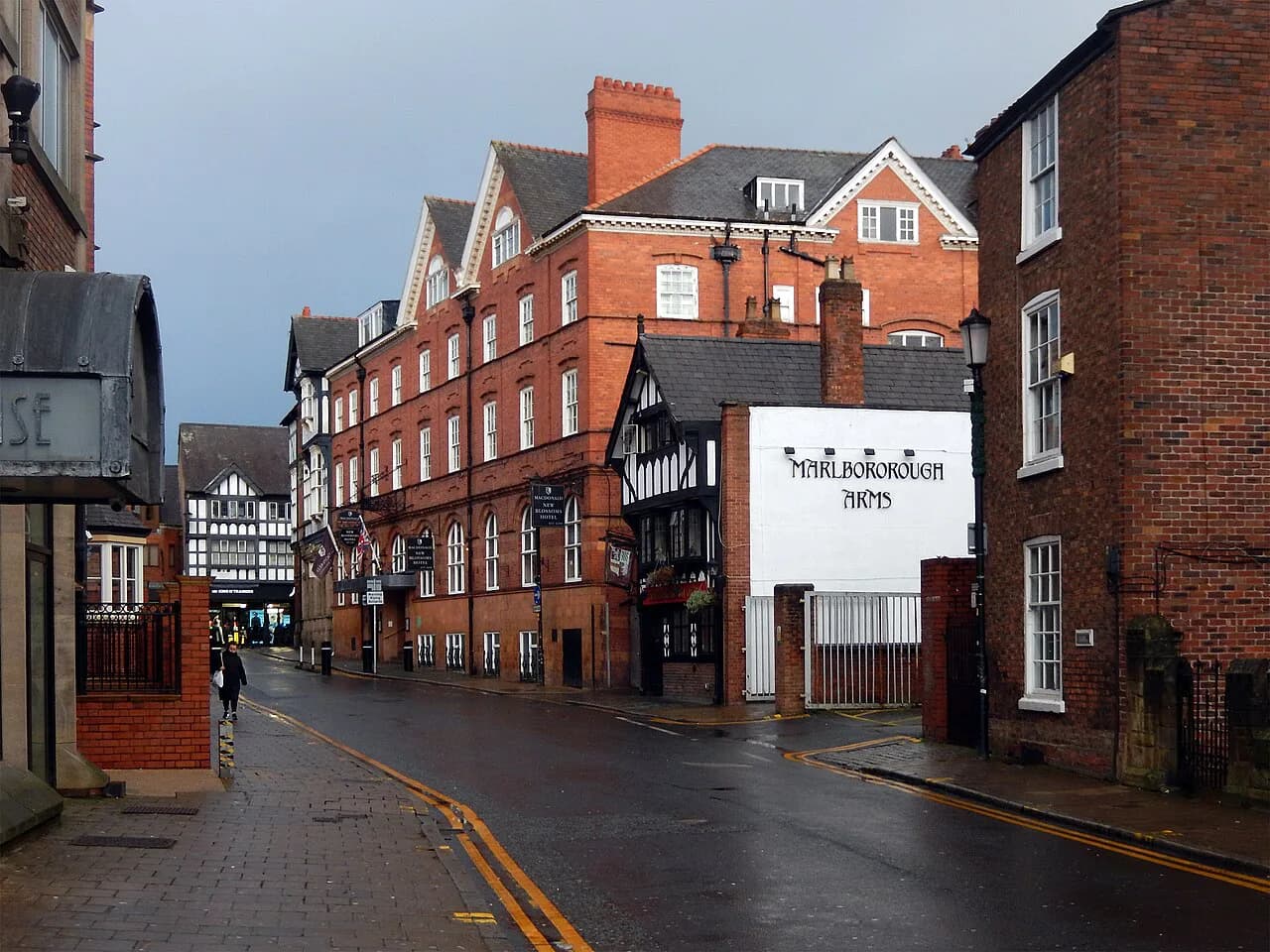
There is no single pub in Chester that can be crowned the oldest on the record, so treat any pub that claims the title with a raised eyebrow. What the city does have is a small number of genuinely old survivors, chief among them the famously misspelt Marlbororough Arms on St John Street, listed in Pigot's Directory for 1818 as The Duke of Marlborough. This guide covers those historic boozers, the Cheshire inns within a short trip of the walls, and how to choose between them for a quick pint or a long lunch.
Why Chester's oldest pub is a messier question than it looks
Chester lost a great many of its old drinking houses to the Inner Ring Road in the 1960s, and the record of those that went is patchy at best. A local history of the city's vanished pubs lists dozens of former inns — the Barley Mow on St Anne Street, the Alma Hotel, the Painter's Arms on St Martin's-in-the-Fields — all demolished for the road, which means the surviving old pubs are a minority rather than a representative sample. So the honest answer to "which is the oldest" depends on whether you mean the oldest building still trading as a pub, the oldest documented licence, or simply the pub with the deepest paper trail.
Directory entries are the strongest evidence most drinkers can actually check, and they tell you a pub was trading under a given name in a given year, with a named licensee. They do not tell you when the building was first licensed, and a gap in the directories is not proof the pub did not exist. Read them as a floor, not a founding date, and you will avoid most of the myths that get repeated about Chester's oldest boozers.
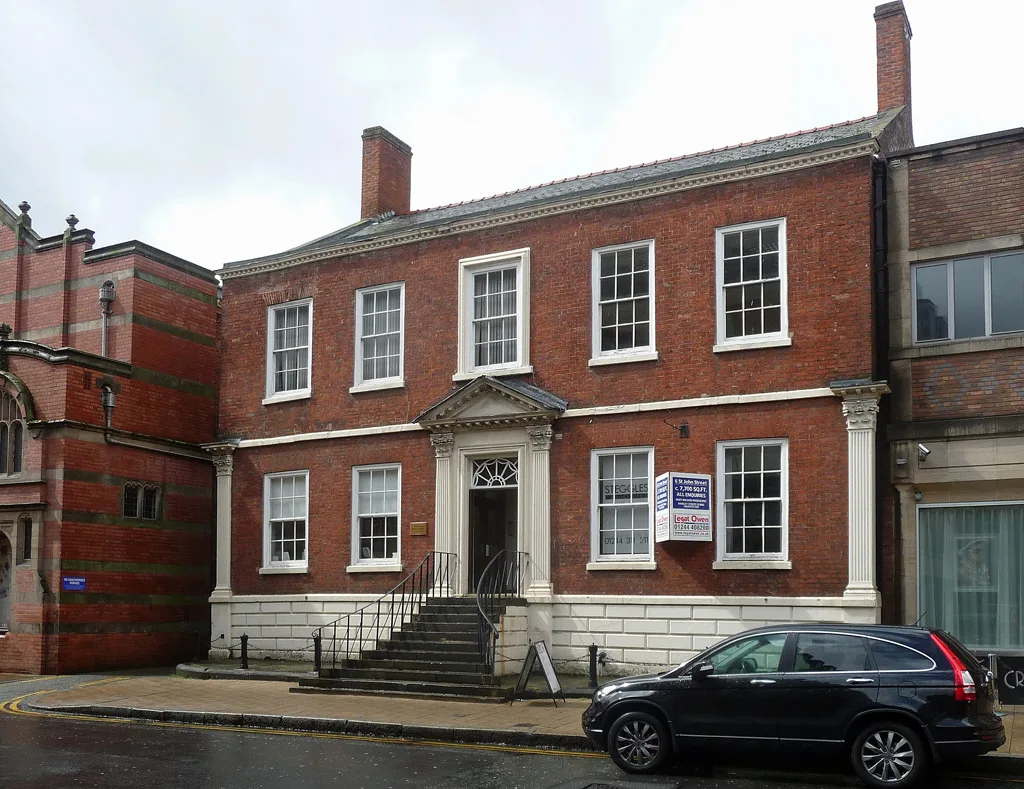
The Marlbororough Arms, St John Street: the documented survivor
The Marlbororough Arms carries one of the great misspellings of British pub signage, and its paper history is unusually clear. A local history of Chester's old pubs records it in Pigot's Directory for 1818 as The Duke of Marlborough, licensee J Snell, and in 1828/9 as The Duke of Marlbro' with John Snelson as landlord — the history itself wonders whether Snell and Snelson were the same man. That is exactly the kind of detail that makes old pub records fun and unreliable in equal measure, and it is why the pub is worth seeking out if you like your history with a side of argument.
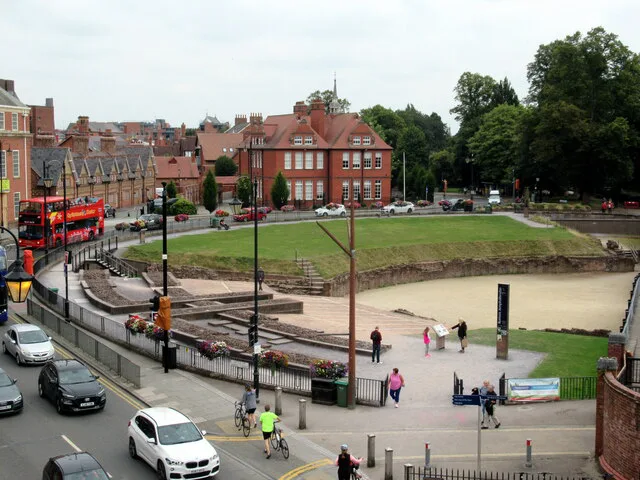
St John Street sits at the southern edge of the city centre, close to the amphitheatre and the remains of St John the Baptist's Church, which makes the Marlbororough a sensible stop on the way back up towards the Cross. The street itself has deep roots: the same history notes that the west side once belonged to the Fraternity of St Anne, and that an inn called Ye Maydenhead stood near the Eastgate as late as 1650. Whether the current building is the oldest pub in Chester cannot be settled from directories alone, but its documented lineage back through the early nineteenth century is not in doubt.
Think of it as a drink-led pub rather than a dining destination: a compact, historic room, a proper pint, and a short walk to the rest of the centre. That is the trade-off, because cramped old rooms fill fast on weekends and race days, and you should not expect acres of space for a pushchair or a large group. If what you want is a long, food-led Sunday, look elsewhere; if you want character with your bitter, this is the stop, and a good place to start working through the best pubs in Chester.
Long-standing Cheshire inns within a short trip of the city
The Marlbororough aside, the strongest concentration of older inns sits out in the Cheshire countryside rather than inside the walls. The official Chester and Cheshire visitor directory lists The Fishpool Inn, The Bear's Paw, The Bear Tattenhall and The Pheasant Inn among its pubs and inns, placing them in Cheshire rather than the city centre. Each is a short drive or a taxi ride from Chester, so they belong in the plan when you have transport and an evening, not when you are on foot between the Rows and the racecourse.
These country inns offer a change of pace from the tight old rooms in town, with the space to settle in over a long lunch rather than a quick pint. The Bear at Tattenhall and The Bear's Paw are village inns named in the official Cheshire directory, while The Pheasant Inn and The Fishpool Inn sit in the same rural mould across the county. The trade-off is transport — one pint and a car do not mix, so budget for a taxi or a designated driver, and check the return journey before you commit.
What the visitor directory confirms is that these are established Cheshire pubs and inns worth the trip; it does not tell you about a particular dish, price or set of opening hours. Menus, kitchen times and whether you need a table change with the season and from one pub to another, so ring ahead or check the pub's own site before you build an evening around it.
Choosing by occasion: a quick pint versus a long Sunday lunch
If your window is an hour between the walls and the cathedral, stay central and pick a drink-led pub with a documented history — the Marlbororough on St John Street handles that brief well. If you want a slow Sunday with a roast and a proper sit-down, the country inns around Tattenhall and the Chester hinterland are the better fit, and the room to spread out is the whole point. Deciding this before you leave the hotel saves you a wasted taxi.
The same logic applies to drink itself. City-centre historic pubs tend to be tied to a brewery or a chain, which keeps the beer consistent but rarely surprising, while rural inns of the kind listed in the county directory often have more room to vary what is on the bar. If you are chasing something hoppier or more local, plan the day around a brewery tap rather than a heritage plaque, and read up on craft beer in the city before choosing.
Weather is the third variable. A historic pub with a small room is a delight in February and a squeeze in July, whereas a country inn with outside space earns its keep on a warm afternoon. If sun is forecast, weight your choice towards somewhere with a garden or yard, and if it is bucketing, lean into the cramped old rooms that make Chester's pubs distinctive.
Reading a pub's history honestly
Old directories record licensees and dates, not architecture, and a name can move buildings. The history of Chester's lost pubs is full of that: the Newgate Tavern appears in St John Street in 1857 with Mrs Martha Poole as licensee, and another Newgate Tavern turns up in nearby Newgate Street by 1902. Two names, two addresses, and an easy trap for anyone trying to claim one continuous lineage. When a pub tells you it dates from a given year, ask what document backs it up.
The most useful thing you can do as a drinker is separate what is documented from what is merely old. A pub recorded in 1818 was trading in 1818; that is a fact. That its cellar is the oldest in Cheshire is usually a story someone told a landlord. Chester's own history shows how buildings vanish — the Alma Hotel site was cleared for the Inner Ring Road — so survival is as much luck as antiquity, and that is worth remembering when you raise a glass to it.
Practical trade-offs: crowds, cramped rooms and food-led pubs
Chester's historic pubs are small, and small rooms mean you should time your visit. Weekend afternoons and race days pack the centre, so a weekday evening or an early lunch gets you the room at its best; the same pub at peak time is a different experience altogether. If you are a group of six or more, ring ahead even at a drink-led pub, because old buildings rarely have a spare corner.
Food-led country inns reward booking, especially for Sunday lunch, when the good tables go to people who planned. Drink-led city pubs generally do not take bookings and do not need them, but that also means no guarantee of a seat. The practical rule: book anything where you intend to eat a main course, and do not book if you only want a pint and a look at the beams.
Menus and kitchen hours for the Cheshire inns change with the season, so check the pub's own website or ring the number before travelling. That is especially true out of season, when rural kitchens trim their hours faster than city ones. A two-minute call is cheaper than a wasted drive to Tattenhall.
Where to go next for the character without the scrum
Once you have done the Marlbororough and one country inn, the next move is to widen the search rather than repeat it. Chester has a broader pub scene than its oldest handful of buildings suggests, and picking by what you actually want — a quiet corner, a big Sunday plate, a changing beer board — will take you to better evenings than chasing heritage alone. Away from the Cross and the race-day crowds, the city thins out quickly and the rooms get calmer.
If food is the point of the outing, shift your planning towards the kitchen rather than the plaque, and think about what kind of meal you are after. A crisply modern pub menu is a different proposition from a straightforward plate of pub food, and knowing which you want narrows the list fast. Build the day around the meal and let the historic setting be the bonus.
Which Chester pub should you book first?
Start with the Marlbororough Arms on St John Street for the documented history and a pint in a small, old room, then save the Cheshire inns for an evening when you have transport and time to eat properly. That split gives you the city's character and the countryside's space without pretending either is something it is not. If you only have one afternoon, stay central; if you have a whole day, drive out.
Frequently Asked Questions
How many pubs are there in Chester?
No reliable current count is published in a form worth quoting, and the number changes as pubs open and close. Visit Chester & Cheshire's pubs and inns directory lists venues across the city and county, which gives you a working starting list, but treat any fixed figure you see online as out of date until you check it yourself.
What is the oldest pub in the UK?
That depends on your definition — oldest building, oldest licence or oldest continuous trading — and different pubs claim each. Chester cannot settle the national question, and its own oldest is contested too, so enjoy the claims as stories and look for the documents behind them.
What is the oldest house in Chester?
Chester's historic fabric is well documented, but this guide covers pubs rather than houses, so it is not the place to settle that. The city's heritage and visitor sources are the right starting point for buildings rather than boozers.
Sources
Notes on eating out in the UK
Optional updates when our city guides change.
You might also like
Continue reading
More guides you'll find useful