Oldest Pub in Canterbury: The Parrot and Other Historic Pubs
The Parrot on Church Lane is Canterbury's oldest pub, begun around 1370 as a Wealden hall house. See its medieval fabric, its story and the historic pubs nearby.
On this page
The Parrot on Church Lane, tucked off the King's Mile, is the oldest pub in Canterbury. The building began life around 1370 as a Wealden hall house raised on Roman foundations, which makes it not just the city's senior boozer but one of its oldest structures of any kind. This guide covers what is documented about the fabric and the name, what to look for once you are inside, and the historic pubs within the walls that pair well with it on a crawl.
The emphasis is on what you can actually see: jettied wings, a Crown post roof, fireplaces inserted long after the hall was floored over. Canterbury rewards slow looking, and the Parrot is the best single building in the city for doing it with a pint in hand.
Why The Parrot Counts as the Oldest
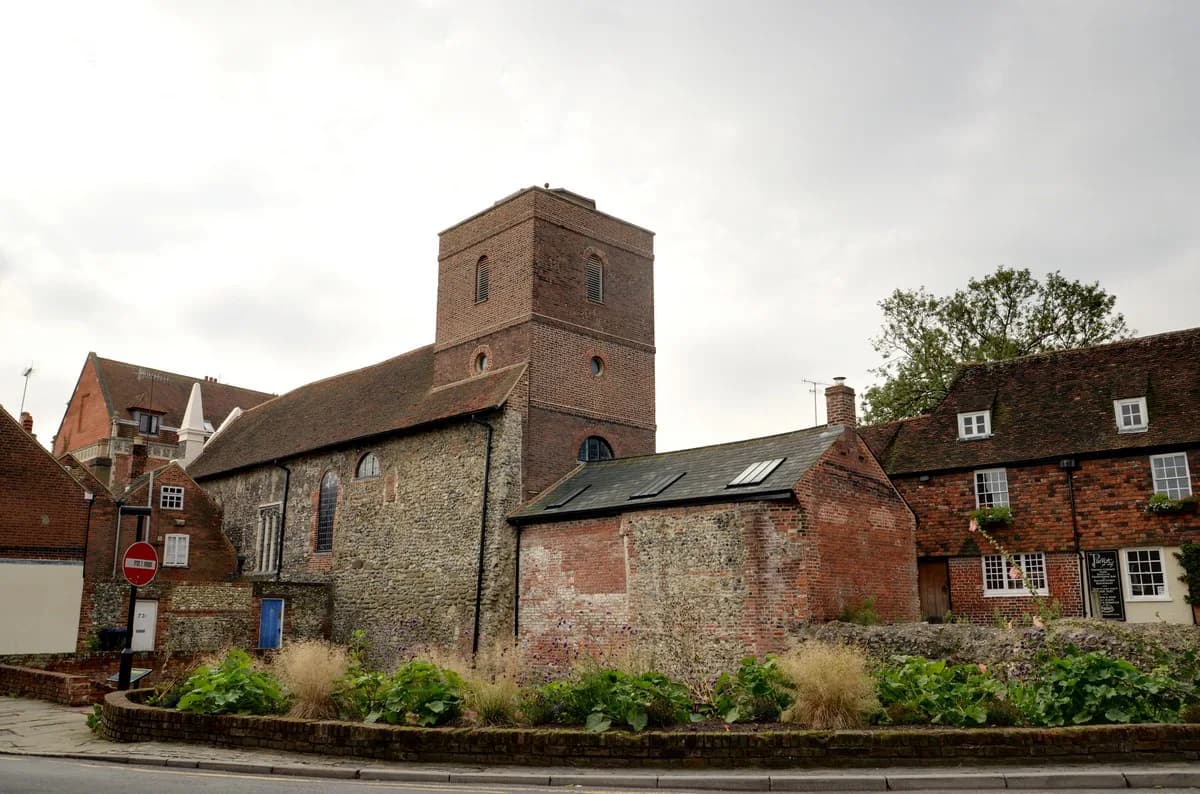
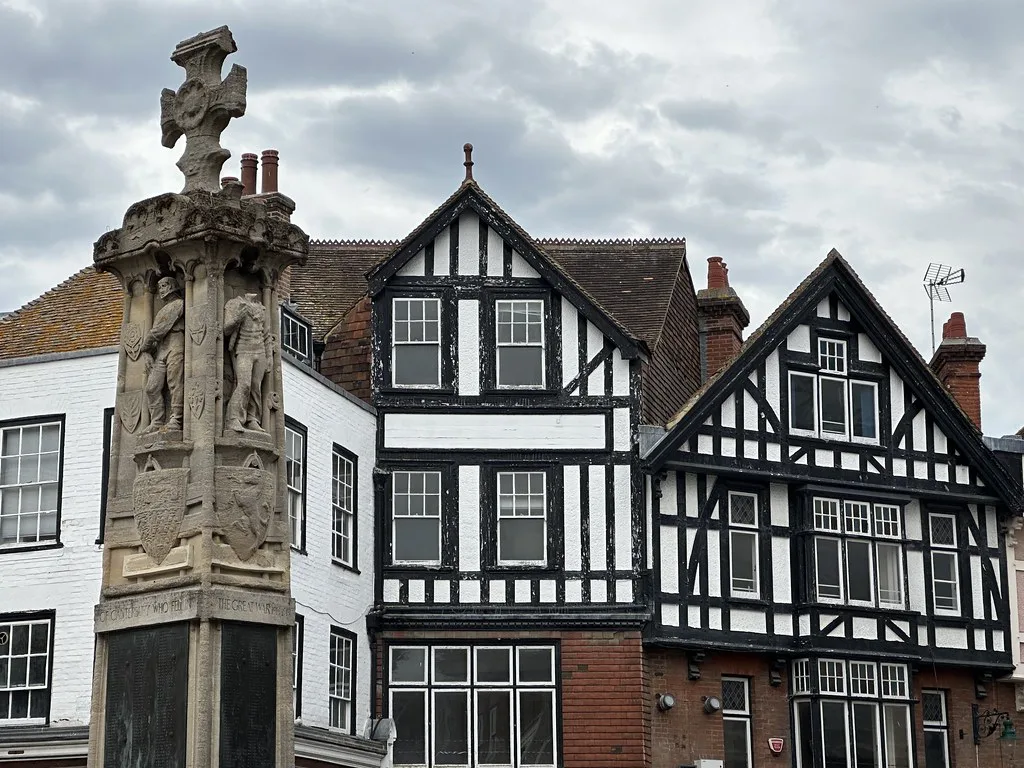
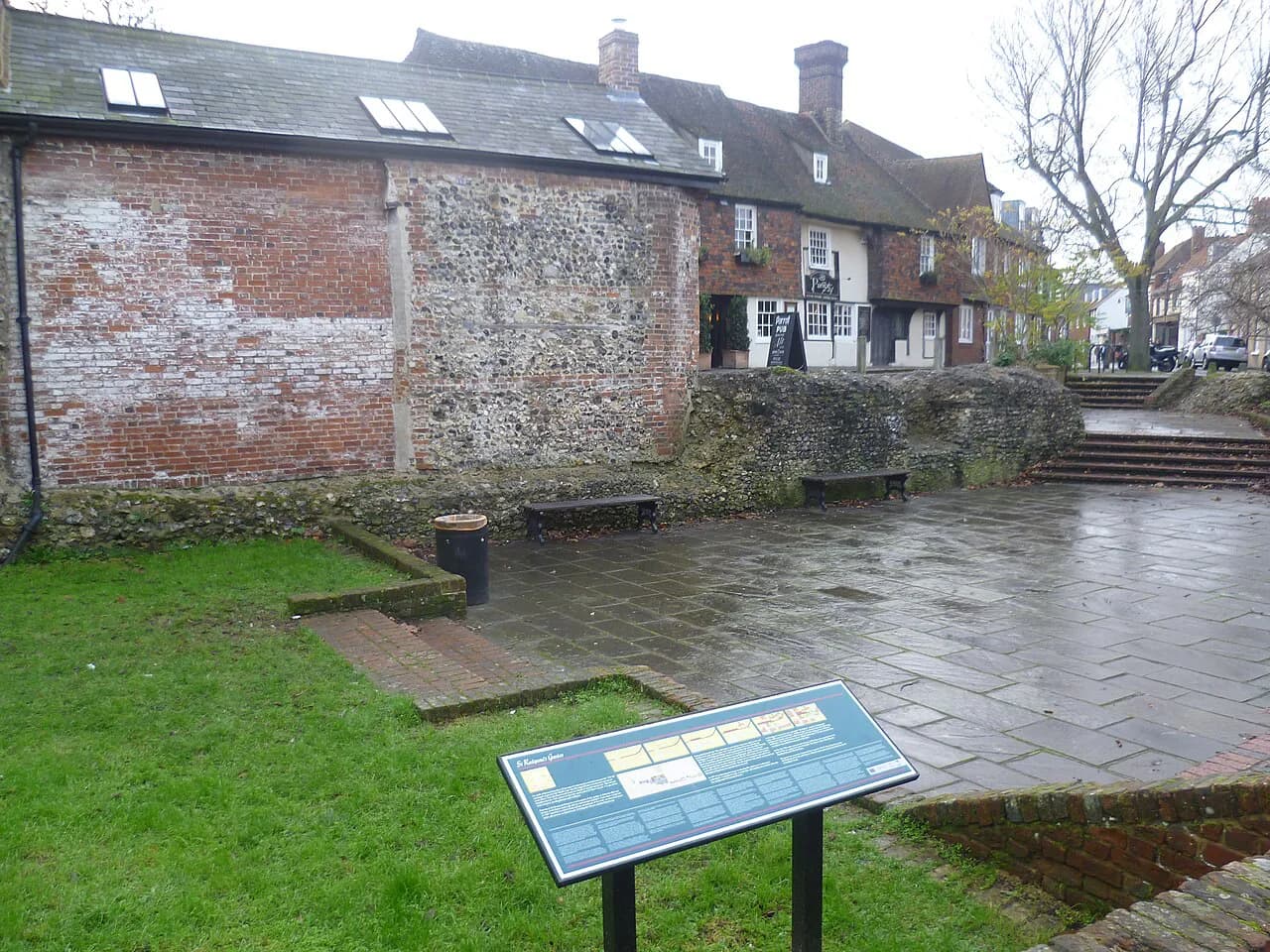
The Parrot is a typical Wealden hall house with jettied wings, a medieval form common across Kent and the Weald. Its position near the Roman wall puts it in one of the most ancient parts of the city, and the neighbouring St Mary's Church incorporates a stretch of that wall in its nave, built of Kentish ragstone, flint and later brick. The building's historic and architectural interest is recognised in a Grade II* listing.
The survival is luckier than it looks. At one stage the hall house was carved into seven separate tenements, and in 1937 it came close to demolition before its architectural detail saved it. Walk the outside before you go in: timber mullion windows were later infilled, a sash window was inserted, and one of the two doors carries spandrels with quatrefoils.
What to Look For Inside The Parrot
Inside, the medieval character is largely intact: low ceilings, exposed timber beams and inglenook fireplaces, with a medieval dining room upstairs. The original hall would have had an open roof, later floored over with a fireplace added in the post-medieval period, and the first floor retains a Crown post roof of the kind found in high-status buildings of the period.
If you want the room rather than just the pint, aim for the upstairs dining room and ask the pub directly about reserving it, since seating there is limited and the building's age constrains how it can be used. For the wider choice of city pubs by mood, budget and occasion, our guide to the best pubs in Canterbury is the place to start.
From St Radigund's Hall to The Parrot
The building was originally known as St Radigund's Hall. The name The Parrot is believed to have been in use in earlier centuries, and it was formally reinstated in 2008 after a refurbishment, so the sign you see is a revival rather than a continuous tradition. Chaucer's Canterbury Tales mention parrots, but that is a literary coincidence rather than evidence for the pub's name, and it is worth treating the connection as colourful background only.
Other Historic Pubs Inside the Walls
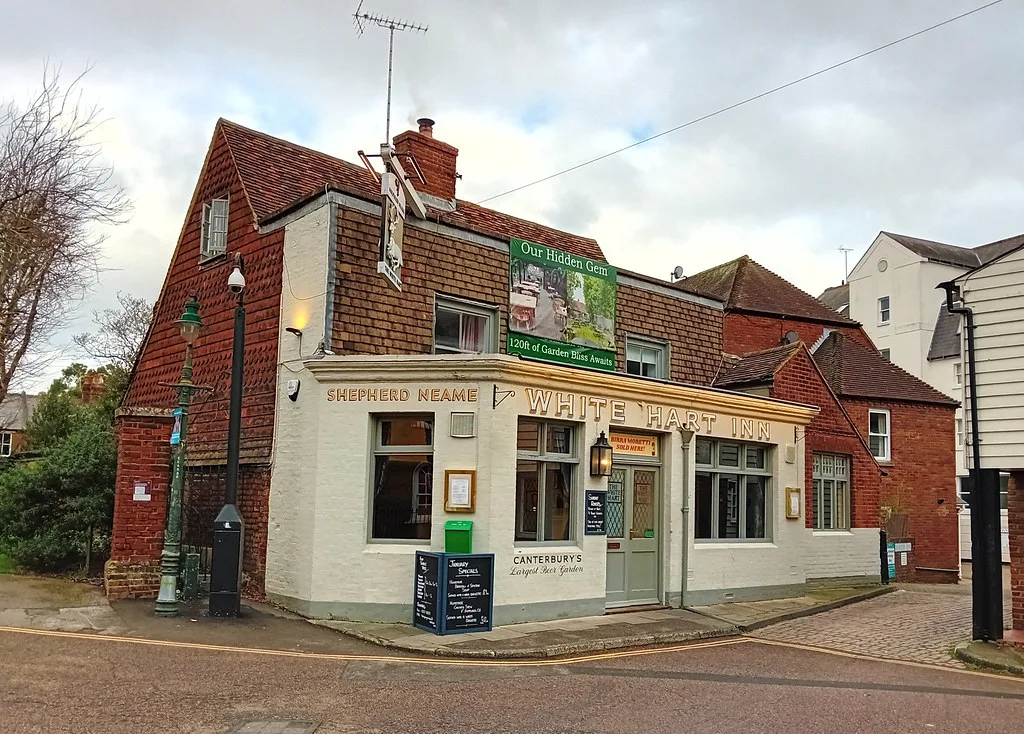
The Thomas Becket on the King's Mile is the natural second stop, a short walk from the Parrot through the cobbled side streets. The White Hart in the Castle Quarter is the other reliable choice for old-building atmosphere, with comfy chairs and big tables by the fire. Both are named in the city's own pub guide, which is a sensible place to sanity-check a shortlist before you set out.
If your interest is cask ale rather than timber, The Thomas Tallis Ale House further along the King's Mile keeps a large wood burner and a rotating range of casks, while The Unicorn in St Dunstan's near Canterbury West station has a strong ale selection. For a broader shortlist organised by what you want from the glass, see our best pubs guide, and if you are chasing a proper Sunday roast Canterbury has plenty of options worth booking ahead.
The Older-Dated Building Outside the City: Westbere
Readers chasing architecture rather than a city-centre pint should look at Ye Olde Yew Tree Inn at Westbere, a short trip east of Canterbury. It is a Grade II listed building whose history as a hall-house stretches back to 1348, which is earlier than the Parrot's fabric, though it sits in a village rather than the city and so does not take the Canterbury title.
Treat it as a separate outing: the draw is the building and the village setting, not a stop on a King's Mile crawl.
Planning a Historic Pub Walk
Build the route around the King's Mile and the lanes off it: start at the Parrot and its cobbled Church Lane setting, then work through the Becket and the White Hart. Two practical checks cover most surprises: confirm each pub's opening hours on the day, particularly for the smaller ale houses, and ask about booking if you want the Parrot's upstairs room or a table for Sunday lunch. Kitchen times and menus change with the season, so check the pub's own page rather than relying on an old listing.
For outdoor drinking in better weather, the city's yards and gardens are covered in our guide to pubs with a pub garden Canterbury drinkers rate, and if you fancy something hoppier, the local brewery scene is worth a look.
Is The Parrot Worth the Detour?
Yes, and for reasons beyond the beer: The Parrot is the one Canterbury pub where the building itself is the attraction, with a documented fourteenth-century frame, a near-miss with demolition and a name restored only in 2008. Pair it with the Becket and the White Hart for a compact historic crawl, and keep Westbere's older-dated hall house for a separate trip out of the city. Check hours and room availability before you travel, then let the timber beams do the rest.
Explore more Canterbury guides
Frequently Asked Questions
Was The Parrot in Canterbury once called something else?
Yes. The building was originally known as St Radigund's Hall. The Parrot name is believed to have been used in earlier centuries and was formally reinstated after a 2008 refurbishment, so the current sign reflects a revival rather than an unbroken tradition.
Can I eat upstairs at The Parrot?
The pub has a medieval dining room upstairs, but capacity there is limited by the age of the building. Ask the pub directly when you arrive or in advance whether the room is open and whether you can reserve a table.
Is there an older building than The Parrot near Canterbury?
Ye Olde Yew Tree Inn at Westbere, a short trip outside the city, has hall-house origins dated to 1348, which is earlier than the Parrot's roughly 1370 fabric. It is a village pub, so it does not hold the Canterbury title.
Which other historic pubs should I visit with The Parrot?
The Thomas Becket on the King's Mile and The White Hart in the Castle Quarter are the easiest additions, both within a short walk. For cask ale, The Thomas Tallis Ale House on the King's Mile and The Unicorn in St Dunstan's are the names to note.
Sources
Notes on eating out in the UK
Optional updates when our city guides change.
You might also like
Continue reading
More guides you'll find useful