Oldest Pub in Cambridge: What the Evidence Supports
Cambridge's oldest pub claims need testing. Here is the documented history of the Eagle and other old Cambridge inns, plus what to order and how to visit.
On this page
There is no single answer to the oldest pub question in Cambridge, but the Eagle is the name with the most concrete origin story: it opened in 1667 as a coaching inn called the Eagle and Child. That date and name are on record; the grander claims you may hear about seven centuries of history attached to the site are a different thing altogether. This guide separates those claims, sets out what is documented for the Eagle, and explains how the Pickerel and the Green Dragon come into the conversation.
The answer depends on which question you are asking. Oldest building still trading as a pub, oldest inn site however often it has been rebuilt, and oldest continuously trading pub are three separate tests that rarely produce the same winner. Once you decide which one you care about, choosing where to drink becomes straightforward.
What 'Oldest' Actually Means in Cambridge
Before you pick a pub on age alone, decide what you are actually after. If it is the oldest surviving fabric, you want the building that has stood longest, whatever its licence history. If it is continuous trading under the same trade, you are counting unbroken years of service, which is the strictest test of the three. Cambridge's old names come up because of one of these tests, so treat any single banner as a prompt to ask which test it is using.
The Eagle: A Documented 1667 Coaching Inn
The Eagle's documented story begins in 1667, when it opened as a coaching inn under the name the Eagle and Child. The child in the name is the crest of the Earl of Derby, which is the kind of heraldic detail that survives in records when ordinary pub history does not. That gives you a firm founding date to work from rather than a round number.
A coaching inn is a useful thing to picture when you walk in: a working stop for travellers, horses and post, not a modern drinking house with a themed interior. The building has been through its own changes since the seventeenth century, as any town-centre inn will have been, and that is normal for old pubs rather than a contradiction of the 1667 date.
Reading the Seven-Century Claim Honestly
You will see the Eagle described in connection with more than 700 years of history, and that figure needs unpacking. Associated history on or around a site is not the same as a building that has poured beer since the 1300s, and the two get blurred in retelling. The defensible statement is narrower and still impressive: a coaching inn documented from 1667, carrying a name tied to the Earl of Derby's crest.
The Pickerel and the Green Dragon: The Other Old Names
The Pickerel and the Green Dragon are the other old Cambridge names you will hear in the same breath as the Eagle, and they belong in the conversation for good reason. Both turn up repeatedly in local discussion of historic pubs, which is enough to make them worth knowing about when you plan a crawl. Neither has a founding date to quote here, so treat their age as part of the appeal rather than a number to repeat.
That gap is not a reason to skip them; it is a reason to describe them accurately. If age is your main criterion, the Eagle has the cleanest documented starting point. If you simply want a proper old Cambridge pub with character, the Pickerel and the Green Dragon are names to put on your shortlist and judge on the pint in front of you.
Which One to Visit, and for What
Choose the Eagle if you want the famous room and the story that goes with it, and you are happy to share the space with people who had the same idea. It suits a first visit to Cambridge, a pint with visitors from out of town, or anyone who wants to say they drank in the city's best-known old inn. The trade-off is obvious: it is the busiest of the old names, and a quiet corner is not what you are buying.
Choose the Pickerel or the Green Dragon if you want an old pub with more of a local rhythm. Both are established Cambridge names rather than hidden finds, but they tend to attract people drinking rather than ticking off a landmark. If your group is split between history and a quieter pint, starting at the Eagle and moving on is a sensible shape for an afternoon.
If your real goal is a wider shortlist of Cambridge pubs by occasion and area, our guide to the best pubs in Cambridge is the better starting point than age alone. It covers the city by what you are choosing rather than by founding date, which is more useful once the history question is settled.
The Practical Shape of an Eagle Visit
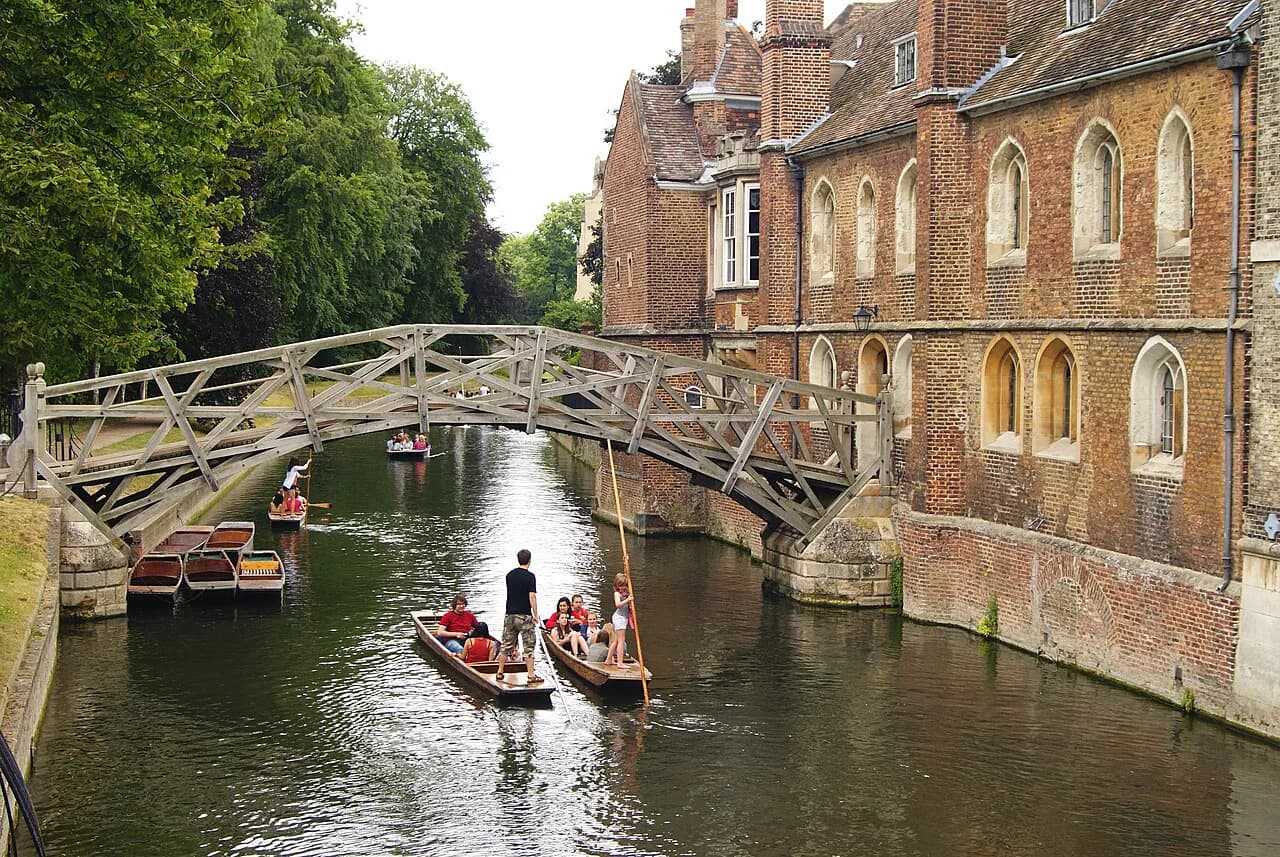
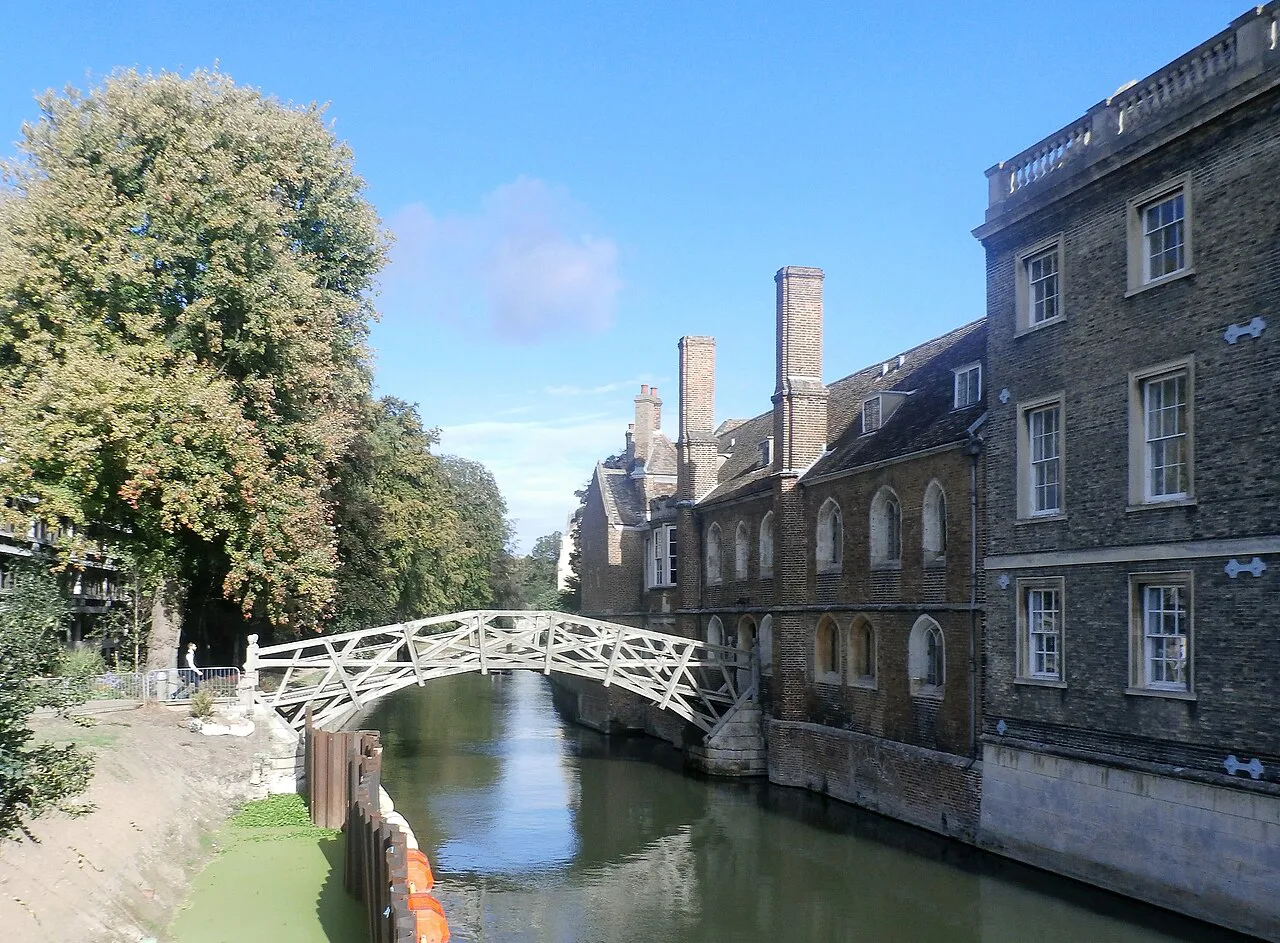
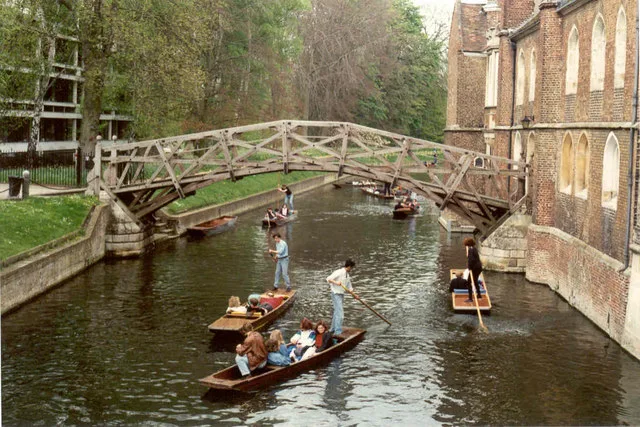
The Eagle sits in the middle of the colleges, close enough to the river and the Mathematical Bridge that you can fold it into a walk rather than making a special trip. That central position is exactly why it fills quickly: lunchtime and early evening are the pinch points, and a large group arriving without a plan will struggle. If you want to eat rather than simply drink, book ahead where the pub allows it.
For a quieter version of the same afternoon, head to the old pubs slightly off the main visitor flow and use the Eagle as your starting point rather than your whole plan. That way you get the famous room without spending the whole visit standing up, and you still have a second stop when the first one is packed.
What to Order in a Historic Room
Order cask ale. In a seventeenth-century coaching inn, a straightforward pint of well-kept bitter or a local ale is the right order, and it is what the room was built for; a long drinks list is not the point of being there. Ask what is on and how it is keeping, then take the recommendation.
If you want food with it, keep expectations set to pub fare rather than a destination meal, and confirm the kitchen is running before you sit down. For a bigger sit-down occasion, our Sunday roast Cambridge guide covers where to book for the traditional lunch, which is a different decision from a pint in an old room.
Where to Go Next for Cambridge Pub Character
Once you have done the Eagle, the next step is to explore Cambridge pubs by what they offer rather than by age. A beer garden matters in the warmer months, and a proper pub meal matters when the afternoon turns into an evening. Both will take you to parts of the city the Eagle's immediate streets do not.
If food is the priority rather than the room, our pub food Cambridge guide is organised around eating rather than history. Use it to pick a kitchen, then walk back to an old pub for the last pint of the day. That split works well in a compact city where the distances are short.
Is the Eagle Worth It for the History Alone?
Yes, provided you want the documented story rather than an unbeatable age record. The Eagle's 1667 opening as the Eagle and Child, with the Earl of Derby's crest in its name, is a solid piece of history and a good reason to have a pint there. Go for the room and the story, and book if you plan to eat.
If you would rather spend the afternoon comparing old Cambridge pubs than standing in the busiest one, start at the Eagle and move on to the Pickerel or the Green Dragon. That gives you the famous name and a quieter second pint. Either way, leave with the narrower, accurate version of the claim, and you will enjoy it more than the seven-century headline.
Explore more Cambridge guides
Frequently Asked Questions
What is the oldest pub in the UK?
Cambridge's own documented case is the Eagle, which opened in 1667 as the Eagle and Child coaching inn, named after the Earl of Derby's crest. That makes it a well-documented old town-centre inn rather than a national record holder, so treat any Cambridge 'oldest' banner as a claim about one specific test, such as oldest surviving building or longest continuous trade, rather than an absolute title. For a UK-wide comparison, check each claimant's own published history rather than a single list.
Is Cambridge a city or a town?
Cambridge is a city, and a university city rather than a cathedral city in the traditional sense. For a visit, the practical point is that the historic centre is compact and walkable, so the Eagle and the other old pubs sit within easy reach of the colleges and the river.
Can I visit the Eagle just for a drink?
Yes, it is a working pub, so a pint without a meal is a normal way to visit. If you want a table and food, book ahead where the pub allows it and confirm kitchen times on the day, as these change through the year.
Sources
Notes on eating out in the UK
Optional updates when our city guides change.
You might also like
Continue reading
More guides you'll find useful