
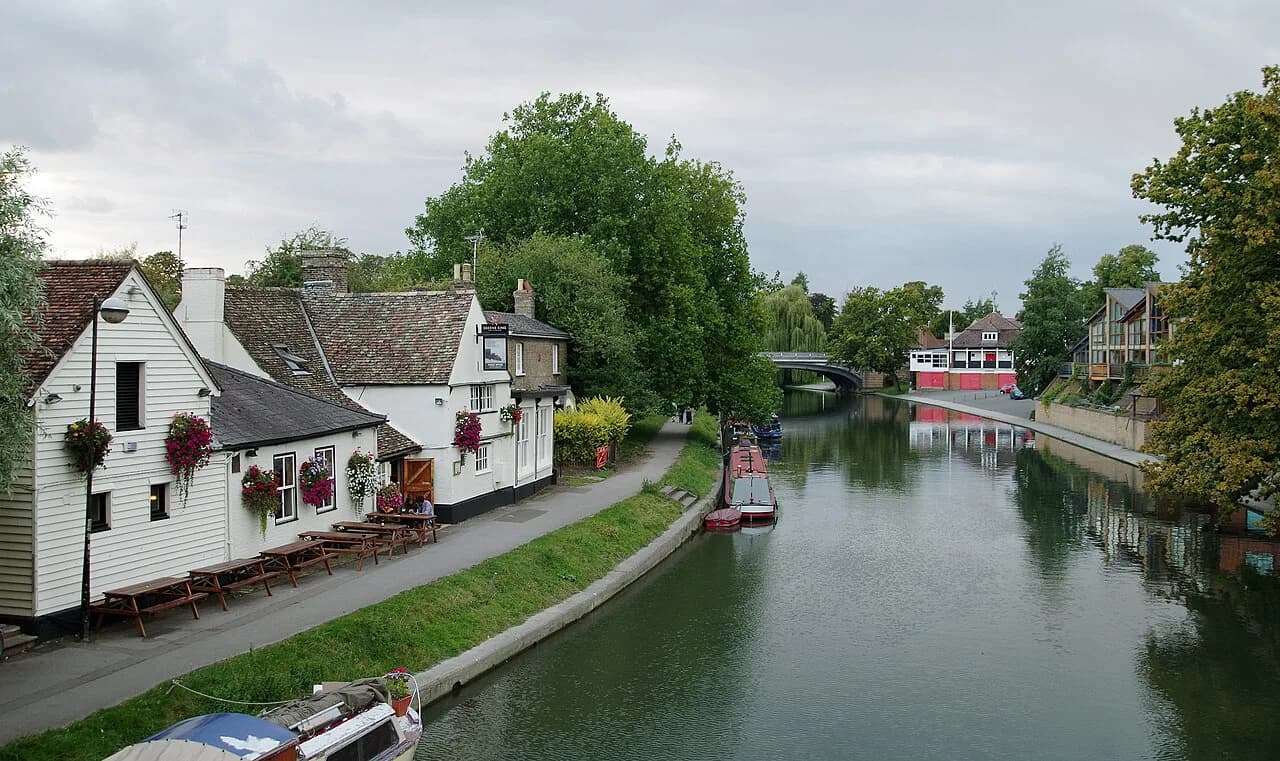
Fort St George, Cambridge: a riverside pub on Midsummer Common

Fort St George is a riverside pub on the edge of Midsummer Common in Cambridge, not a museum or ticketed attraction: you go for a pint, a plate of pub food and one of the better outlooks in the city. The building is Grade II listed and partly timber-framed, with parts dating back to the 16th century, and it sits at Midsummer Place, CB4 1HA. This guide covers where it is, how to walk there, which side of the building to aim for, what the food and drink are like, and how long to allow.
Where Fort St George sits in Cambridge
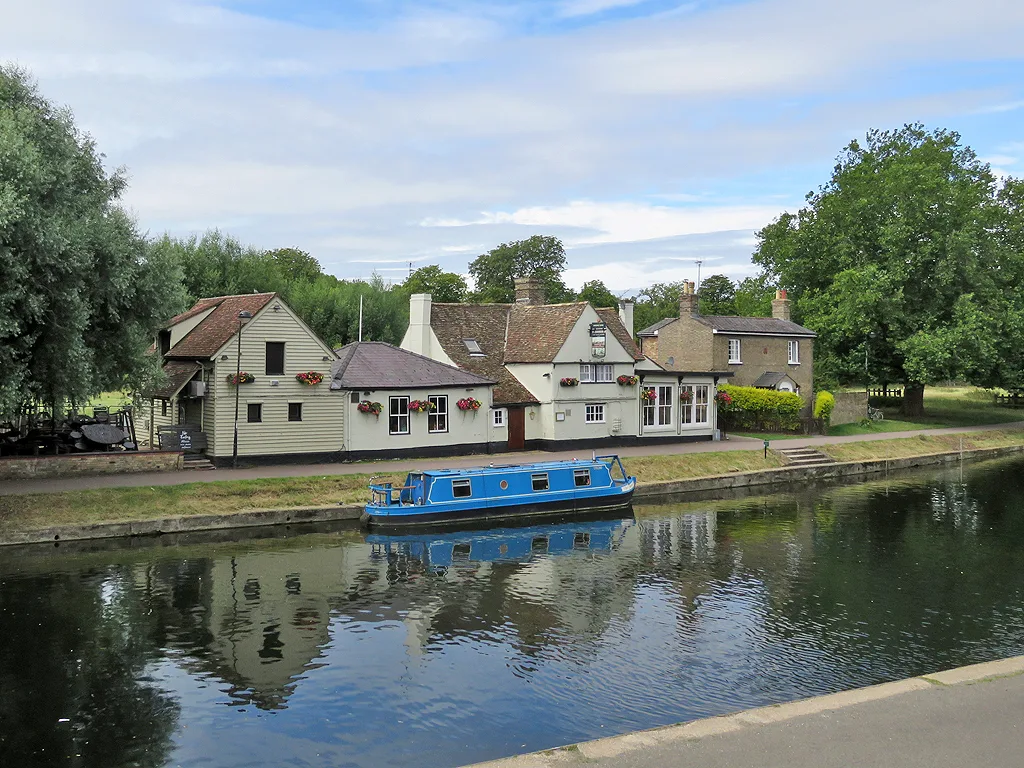
The pub occupies a corner of Midsummer Common, a short walk north-east of the historic centre, right beside the River Cam. Its address is Midsummer Place, Cambridge CB4 1HA, which is the one to give a taxi driver or put into a map app. Because it backs onto the common rather than a street frontage, the approach on foot is part of the experience.
For orientation, the Georgian and medieval core of Cambridge with its colleges sits south-west of the common, so the pub works best as a target at the end of a walk rather than a stop you happen to pass. To compare the named places one by one, browse Cambridge pubs and food landmarks.

A short history of the building and its name
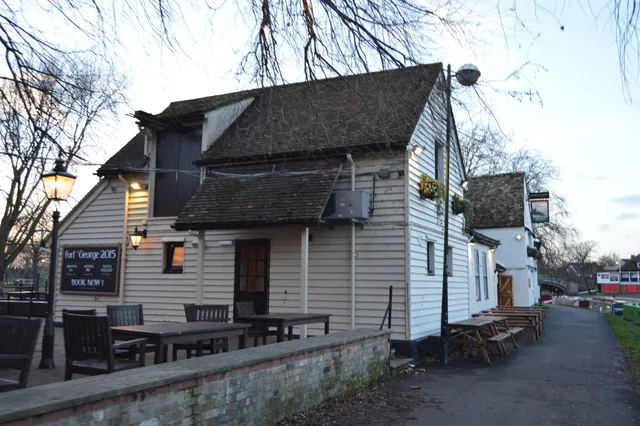
The Grade II listing and the surviving timber frame are the honest headline: parts of the structure go back to the 16th century, and the building has been altered repeatedly since. The pub's full name is The Fort St George in England, with the “in England” said to distinguish it from the original Fort St George, the first British fortress in India. That explanation is the one given in accounts of the pub, so treat the naming story as tradition rather than documented fact.
The setting has shifted too. The pub originally stood on an island until the Cam was rerouted in the 1800s, which explains why the relationship between building, river and common feels slightly odd when you look at it closely.

Getting there on foot
Walking is the sensible way in. From the city centre, head across Midsummer Common and follow the paths towards the river; the pub appears on the edge of the common with the Cam close by. Allow fifteen to twenty-five minutes from the centre depending on where you start, and wear something you Don't mind getting muddy after rain, because common paths are unpaved in places.
Cycling is the other natural option, since the common and riverside paths are busy with bikes, but parking near the pub is limited and the lanes around Midsummer Common are not somewhere to leave a car casually. If you are coming by bus or train, check operators' own timetables for the day you travel rather than relying on memory. Two of the city's better-known riverside and central pubs make a contrast worth planning around: The Eagle, Cambridge for college history and The Anchor, Cambridge for a different stretch of the Cam.
Which side to sit on: common or river
The building has two faces and they give different afternoons. On the common side there is outdoor seating looking over Midsummer Common, with a greener, more open view. On the river side the outlook takes in the Cam and the boathouses, which is the more animated view and the one people come for.
In warm weather the outdoor seats are the draw, and the pub fills up accordingly, with waits building through the afternoon. Arriving early is the practical fix; turning up at peak weekend lunchtime and hoping for a river-side table is optimistic.
Inside: beams, windows and an open fire
Indoors, the draw is the fabric of the building: oak beams, large windows that pull in light from the common, and an inglenook fireplace that makes the eating area cosy in cold months. The decor has been smartened up over the years, so it reads more as a proper pub than a themed one.
The building also has function rooms for hire, so parts of it can be closed off for events; if you have your heart set on a particular corner, it is worth ringing ahead.
Food: order the sides, save room for pudding
The kitchen is a Greene King operation with a standard pub menu, so set expectations at solid rather than destination dining. The recurring complaint is uneven portions: soup arriving with very little bread, a lamb casserole with no potatoes, breaded halloumi buried under chips with only a small salad garnish. The fix is simple and worth doing — ask what is included before you order and add a side or vegetables if the plate looks thin.
Puddings are where the kitchen earns its keep: a dark Belgian chocolate torte, an oven-baked brioche bread and butter pudding and a hot chocolate fondant, all generous portions and good value. If you are choosing between a starter and a pud, the pud is the better bet.
Menus and prices change, so check the pub's own Greene King page for current dishes and what they cost before you build a meal around a particular plate. For something sweet on the way back into town, Fitzbillies Cambridge on Trumpington Street is the city's other famous sugar stop.
Drink and dogs
As a Greene King house, expect the brewery's usual range on the bar rather than a rotating guest list; if a particular beer matters to you, ring ahead rather than assume. Dogs are welcome, with the standard house rules: kept on a lead inside and in the outdoor seating areas, off the sofas and chairs, and admitted at the manager's discretion, which can tighten when it is busy.
How long to allow, and what to check
Treat Fort St George as a half-afternoon rather than a whole outing: an hour for a drink in the garden, ninety minutes to two hours if you eat. The pub's appeal is the setting, so build in time afterwards for a loop of Midsummer Common or a stretch along the river towards the boathouses.
There is no need to book for a drink, and big tables are worth reserving; the pub's own listing carries the address and phone number for exactly that. If the weather is doubtful, a quick call confirms both the hours and whether the kitchen is running a full menu that day.
Should you walk out to Fort St George?
Yes, if you want a riverside pint with a view and a bit of history attached, and you are willing to go early or accept a wait on a sunny weekend. Aim for the river side for the boathouse outlook, ask what comes with your main, and order pudding. If you want a smarter sit-down meal, look elsewhere in the centre; if you want the classic Cambridge combination of old building, river and common, this is the one.
Explore more Cambridge guides
Frequently Asked Questions
Is Fort St George dog friendly?
Yes. Dogs are welcome under the usual conditions: kept on a lead indoors and in the outdoor seating, kept off the furniture, and admitted at the manager's discretion, which can vary at busy times.
Do you need to book Fort St George?
Not for a drink or a casual meal, though tables by the river go first on warm days. For a larger group or a set time, ring the pub using the number on its own listing and ask about the function rooms as well.
How long does a visit take?
Allow an hour for a drink and a wander round the garden, or up to two hours if you eat. Add time for a loop of Midsummer Common or a walk along the Cam towards the boathouses.