
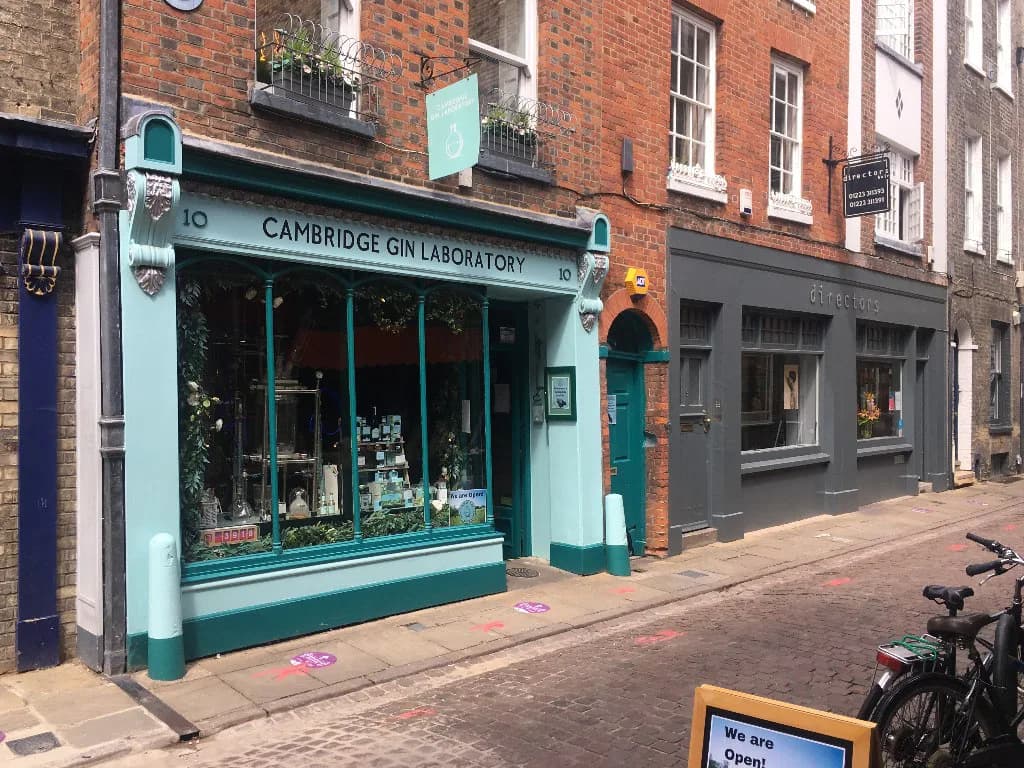
Cambridge Gin Laboratory: A Practical Visitor Guide

The Cambridge Gin Laboratory is a city-centre gin experience run under the Cambridge Distillery name, built around guided classes rather than a self-guided distillery walkround. Expect a session where you learn how gin is made and, in the make-your-own formats, blend a bottle to take away. This guide covers where it is, how to reach it on foot, which session suits you and what to pair it with in Cambridge afterwards.
One thing to settle before booking: the laboratory and the Cambridge Distillery itself are two separate places. The distillery's listed base is at 20 High Street in Grantchester, a village just outside the city, with a 2011 founding date recorded by its trade body.
What the Cambridge Gin Laboratory actually is
This is a gin-tailoring laboratory and experiential space in central Cambridge, designed for the appreciation of gin rather than as a production hall. The design brief split a Grade II listed building into a ground-floor master distiller's laboratory, with stainless steel counters and scientific glassware, and upper floors styled as the distiller's study behind a velvet curtain.
The name on the door connects it to the Cambridge Distillery, founded by master distiller William Lowe with Lucy Lowe as business partner. The distillery's range includes Cambridge Dry Gin, the truffle-based digestif gin, an ant-based gin and the very limited Watenshi. How much of that range you meet on the day depends on the session you book, so treat the class description as the reliable guide rather than the brand list.
Where it is and how to get there
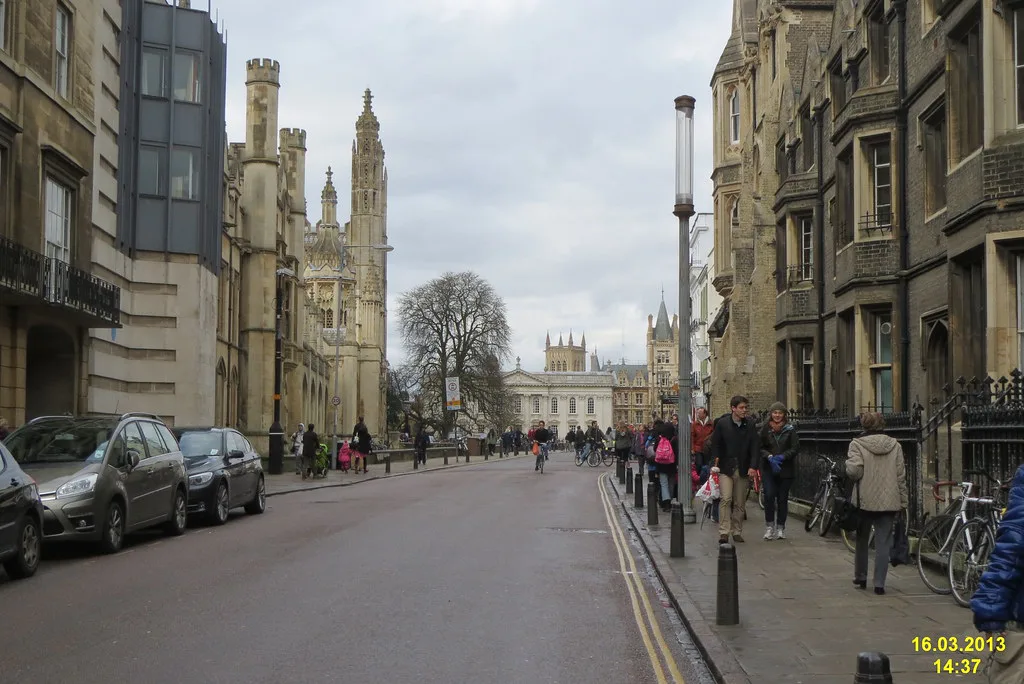
The laboratory sits in the heart of the city, within easy walking distance of the main shopping streets and the colleges. No street address is published for the laboratory, so use the map or directions on the official booking site rather than a postcode guess, and allow a few extra minutes if you are coming from the rail station side of town.
On foot is the sensible way in: park outside the centre and finish the trip on foot, or use the park-and-ride sites on the edge of the city. If you are arriving by train, Cambridge station is a walk or a short bus ride from the centre, and the busway and city services drop you close to the shopping core. Because sessions run to a start time, build in slack rather than cutting it fine.
What happens in a session
Classes are built around learning gin from the ground up: its history, how botanicals are chosen and distilled, and how a recipe comes together. The Lab format is hands-on, with small groups working at the counter rather than sitting through a lecture. Expect to smell and taste as you go, and to leave knowing why a gin tastes of citrus, spice or something stranger.
In the make-your-own sessions you select botanicals and blend a personal gin to take home, which is the format most people mean when they book a gin-making experience. Tasting-led sessions lean more on guided samples and less on production, which suits anyone who wants the flavour side without the blending work. Formats change with the season, so match the class title to what you actually want to do.
Which class suits you
Choose a make-your-own session if the point of the trip is a bottle with your name on the label and you are happy to spend the time weighing botanicals. Choose a tasting-led format if you are with a mixed group, have a tighter schedule, or simply want to learn what good gin tastes like without committing to a blend. Couples often split the difference by booking one bottle between two and sharing the tasting.
Groups of friends celebrating something tend to prefer the longer, more social formats, while solo visitors and couples do fine in either. If someone in your party does not drink gin, ask before booking whether they can attend without a drink, since the setup is built around tasting. Private hire exists for larger groups, which is worth pricing directly if you are organising a birthday or work outing.
How long to allow and when to book
Sessions are timed events, not drop-ins, so book through the official site and treat the stated duration as the planning figure. Class lengths vary by format, and the booking page is where the current schedule and availability sit. Weekend slots go first, and a session that starts in the afternoon eats into the rest of your day.
Book a week or two ahead for a weekend, and further out for groups of six or more or for anything around a big date in the calendar. Arrive ten minutes early: latecomers disrupt a small group, and the building's winding levels mean finding the right room takes a moment. Check the current details on the booking page before you travel, particularly the start time and the meeting point.
What a session costs
Prices depend on the format: a short tasting session and a full gin-making class are not the same ticket, and seasonal events are priced separately. The official booking page lists the price for each session alongside what is included, so read that before you commit rather than relying on older blog posts. Bottles to take home are included in some formats and extra in others, which changes the real cost of the day.
If you are comparing the laboratory with a pub lunch or another paid attraction in Cambridge, put the gin session first and build the free sights around it. That way an expensive ticket buys the centrepiece of the day rather than an add-on squeezed between other stops.
Who it suits, and the honest trade-offs
The laboratory works best for adults who want to learn something, not for a quick drink in passing. The building is Grade II listed and laid out across winding levels with stairs between floors, so anyone with mobility limits should ask about access to the specific room their class uses before booking. Small-group formats mean noise levels stay low, which suits visitors who dislike crowded venues.
Non-drinkers can enjoy the history and the botanical side, but the tasting is the heart of most sessions, so a party split between drinkers and abstainers may prefer a shorter format. Strong spirits and an afternoon slot do not mix well with a long drive home, so plan the journey back before you book. Under-18s are not the audience here, and the site asks for age confirmation on entry.
Pairing a session with the rest of a Cambridge day
Because the laboratory is central, a morning class leaves the afternoon free for the colleges and the river. A short walk from the shopping streets brings you to the Eagle Cambridge, a pub with a place in the story of DNA and a sensible stop for a pint and a plate after a tasting. Book a table if you are eating at peak weekend lunchtime.
For something sweet instead, Fitzbillies on Trumpington Street is the classic Cambridge stop, and a good way to end a day that started with botanicals. Punters and walkers drift toward the river and the Mill and Fort St George for food with a view of the water. None of these needs a gin ticket, which makes them easy to shuffle if your session runs long.

The Grantchester distillery is a different place
The Cambridge Distillery's own site is in Grantchester, a village a short trip from the city, near the River Cam and Grantchester Meadows. It grew from what it describes as the UK's smallest distillery into a vacuum gin distillery working with fresh and foraged botanicals. That is the production address on the trade listing, not the laboratory's city-centre door.
Whether the Grantchester site takes visitors is not published in anything you should rely on, so ask the distillery directly before making the trip. The safe assumption is that the laboratory is the bookable experience and Grantchester is the working site. Check before you turn up at a production address expecting a tour.
Which session should you book?
Book the Cambridge Gin Laboratory if you want a hands-on, small-group gin class in the middle of the city and are happy to plan the day around a fixed start time. Choose make-your-own for a bottle to take home, and a shorter tasting format if you are squeezing the session between other plans. Either way, confirm the price, duration and meeting point on the official booking page first, then build lunch and a riverside walk around it.
Explore more Cambridge guides
Frequently Asked Questions
Do you need to book the Cambridge Gin Laboratory in advance?
Yes. Sessions are scheduled classes rather than a drop-in attraction, so you pick a time slot in advance through the official booking page. Weekend slots and larger groups are worth booking well ahead, and you should check the stated start time and meeting point before you travel.
Is the Cambridge Gin Laboratory the same as the Cambridge Distillery?
No. The laboratory is a city-centre gin experience linked to the Cambridge Distillery brand, while the distillery itself is based at 20 High Street in Grantchester. Book the laboratory for a class, and ask the distillery directly if you want to know whether its own site can be visited.
Can non-drinkers join a gin class?
They can attend, but much of the value of a session comes from nosing and tasting, so a shorter tasting format may suit a mixed group better than a full gin-making class. Ask about non-drinking places when you book, since what is included varies by format.