Oban Distillery: A Practical Guide to Visiting and Tasting
Plan a visit to Oban Distillery with this practical guide to the tour, the coastal single malt and how to fit it into a day in town.
On this page
Oban Distillery is one of the easiest distillery visits in Scotland to get to grips with: compact, central and easy to follow, and it sits in the middle of Oban rather than out in the countryside. Leave time for the tour, the tasting and the shop. This guide covers what you will see, how the whisky is made and what it tastes like, plus the practicalities of getting in and fitting it round the ferry and the railway.
One thing to fix before you go: the distillery publishes tour times, prices, age policies and accessibility details through its own booking channels rather than anywhere else. Check those once when you book rather than turning up on spec in July or August, when the town is at its busiest.
What and where Oban Distillery is
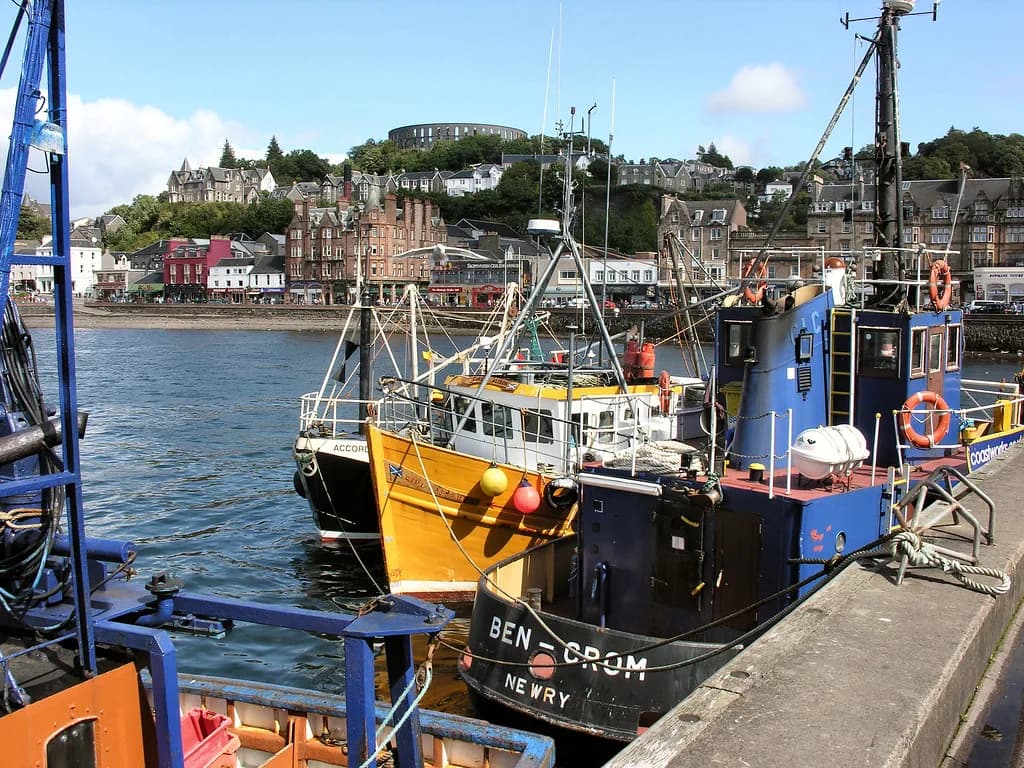
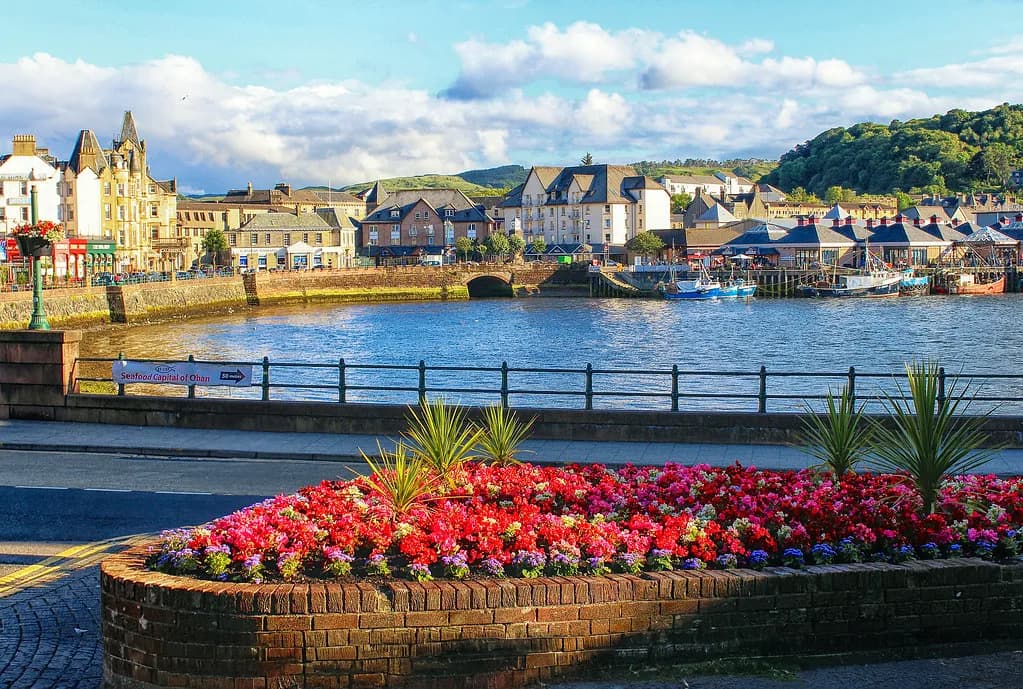
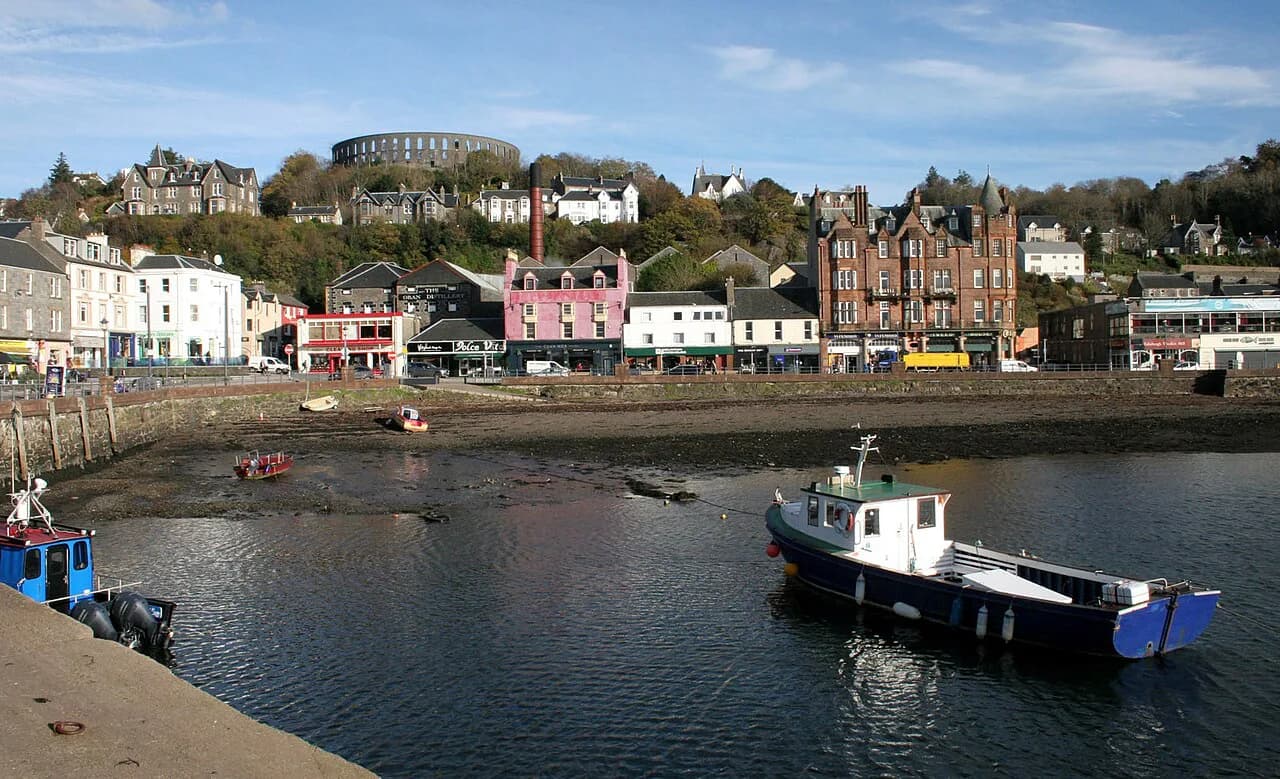
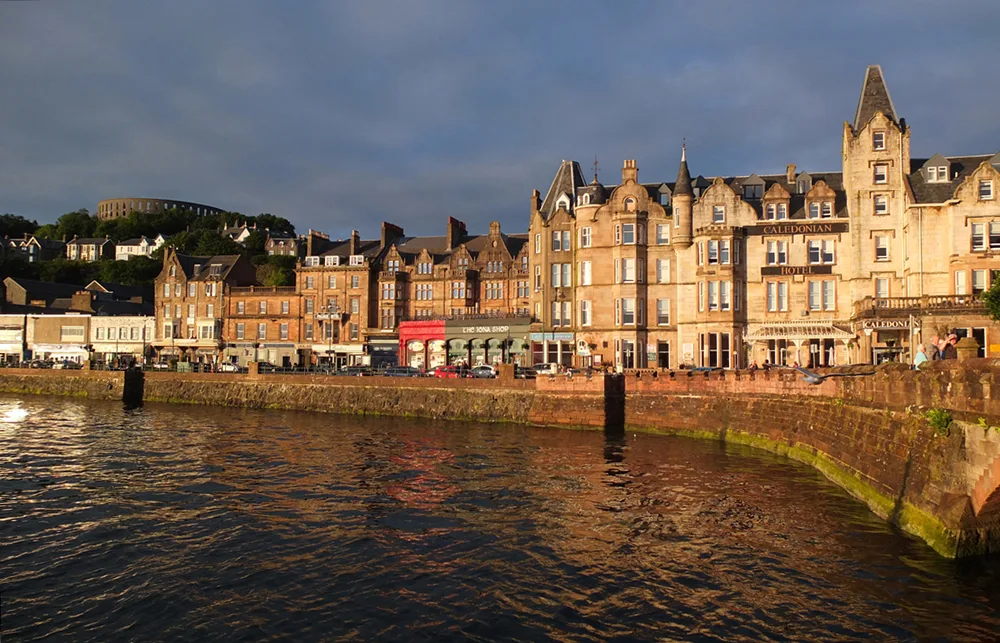
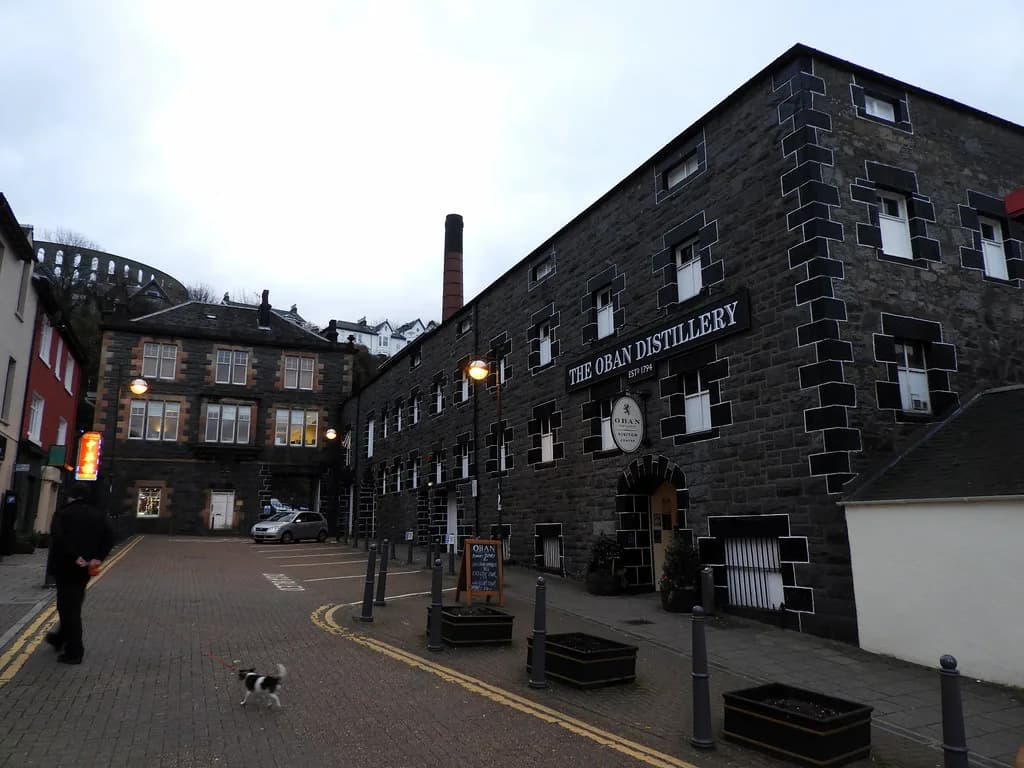
The distillery stands in the very heart of town, hemmed in by streets on three sides and by a rock face at the back, with the harbour a short walk away and George Street's shops below it.
The best views of the buildings are from the North Pier, looking back at the red chimney with its black band above the shopfronts. Because the town grew around the site, the setting feels urban and workaday rather than like a rural visitor centre with a car park and a lawn.
That is also why it works so well for anyone new to whisky: the whole process happens in a handful of rooms, so you can see milling, mashing, fermentation, distillation and cask filling without a long walk between buildings. The visitor experience has been awarded five-star attraction status by VisitScotland, which reflects the quality of the tour rather than the size of the site.
The short version of its history
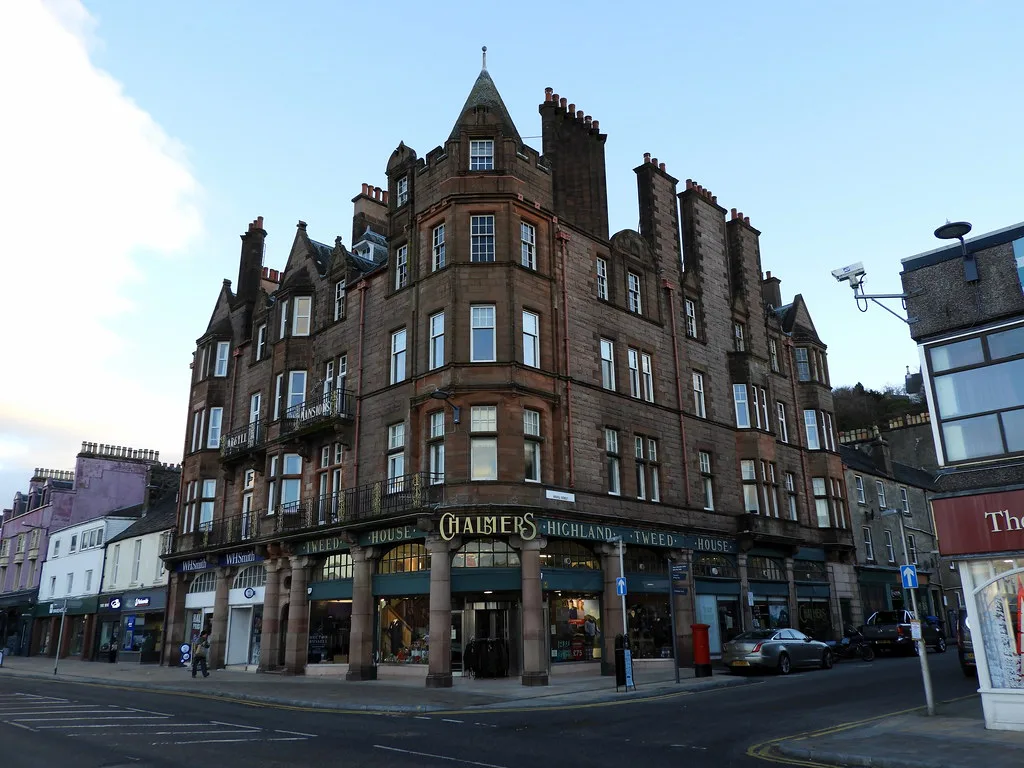
The distillery was founded on this site in 1794 by the Stevensons, a family of local merchants, at a time when Oban was still a small fishing village. Steamers and then the railway turned the town into the main gateway to the Western Isles, and within a century the distillery found itself surrounded.
It has been part of Diageo's Classic Malts Selection since 1988, which is why the Oban name turns up on back bars far from Argyll. Whisky writer Alfred Barnard called in during 1886 and found a quaint, old-fashioned distillery covering two acres, whose owner had recently built new bonded warehouses and upgraded the machinery.
The town's own story is told in the exhibition space behind reception, which is where tours gather. It is worth a few minutes before your slot, particularly if you are travelling with someone who is not especially interested in the spirit itself.
On the tour: what to look for
The visit starts in reception and the exhibition, where the group gathers before the tour proper. From there the route runs through the production rooms in order, ending in the tasting room where you get to try the whisky.
The details that make this site unusually legible are the kit. A retired Porteus Mill anchors a display on milling, the mash tun has a lit interior you can peer into through a hatch, and four washbacks are likewise lit so you can watch fermentation happening rather than taking it on trust.
In the still room there is a single pair of copper stills, unusually broad in the neck with a pronounced pinch below it, which shapes how the spirit vapour behaves. The lyne Arms leave through the wall and feed worm condensers housed high in the roof space, a layout almost no other Scottish distillery uses.
The tour finishes in the filling store and then the tasting room, where the guide will talk you through what you are drinking. Ask questions here rather than mid-route; the rooms are small and the groups move through fairly briskly.
What Oban whisky tastes like
Oban is often described as sitting between the dry, smoky island styles and the lighter, sweeter Highland malts, a West Highland middle ground that makes it a gentle introduction to peat. The distillery uses peat for flavour rather than for heating the mash, which is part of why the smoke is restrained.
Treat coastal as a sense of place, not a flavour promise: salt air does not put salt in the glass, and tasting notes vary with age, cask and bottling. Read the description for the exact expression in front of you instead of assuming every Oban tastes the same.
Oban 14 is the bottle most visitors will already have seen, and it is a sensible benchmark for a first taste. If you want to compare, ask in the shop which expressions they currently have rather than relying on a list you read online.
If you want the wider picture of how single malt is made, from malting to maturation, the distillery's tour and exhibition take you through the stages on site, which is useful grounding if you are visiting another distillery later in your trip.
Getting there and getting in
There is no customer parking at the distillery, and public car parks in Oban fill quickly in summer. If you are driving, park once for the day near the harbour or the station and walk; the site is a short walk from both the train station and the ferry terminal.
Entry to the tour starts through a door on Stafford Street, the street immediately north of the distillery, which leads into reception and the shop. That is worth knowing because the buildings are easy to walk past if you are looking for a grand frontage on George Street.
Because the distillery is central, it slots neatly into a day built around a ferry or a train: do the tour, eat, then walk down to the pier. If your ferry leaves early, book the first tour of the day rather than the last.
Booking and what to check before you travel
Book ahead. A small site with timed tours cannot absorb walk-ups on a wet August afternoon, and the distillery is one of the most visited in Scotland precisely because it is so easy to reach.
Confirm tour times, ticket prices, minimum ages, accessibility and whether tastings are included through the distillery's own booking pages before you pay for travel. Those details change with the season, and hospitality staffing in a town this small can shift at short notice.
If you are bringing children, ask about the age policy when booking rather than on the day; rules on young visitors and on tasting components vary between distilleries, and the distillery's own booking pages set out what applies here.
Buying a bottle
The shop is the obvious place to buy, and distillery-only bottlings are the reason to buy there rather than in a supermarket. Read the label for age, cask type and whether it is finished in sherry, bourbon or something else, as those are the words that tell you most about what you are getting.
Whisky Fix is an independent specialist retailer in the town, entirely separate from the distillery, and useful if you want a wider selection of Scotch than one producer's range. Treat the two as different outings: one is a working site, the other a shop.
For a first bottle, buy the expression you tasted and liked rather than the oldest or most expensive one. You can always go back for the special release once you know which direction you lean.
A second distillery, or a second drink
Other well-known distilleries such as Talisker on Skye or Ben Nevis near Fort William are a proper journey from Oban rather than a hop, so check ferries and road times before committing to a second tour on the same day.
A more sensible second stop is a pub with a decent malt shelf, where you can try a flight of whiskies without driving anywhere. For that, work through the best pubs in Oban and pick by what you want from the room as much as the list.
If you would rather drink somewhere with a bit of age to it, the oldest pub in Oban is the obvious place to start, and a good contrast to the modern visitor experience at the distillery.
How much time to allow
Budget around ninety minutes for the tour and tasting, plus twenty for the shop, and add slack if you are on a tight ferry. The site is small enough that the tour does not sprawl, but the tasting room is where people linger.
A comfortable Oban day is the distillery in the morning, a long lunch, then a walk along the waterfront before an evening sailing or train. For the lunch stop, the Oban eating and drinking guides are the place to start.
Sunday visitors should check kitchen times, because a distillery tour can run past the point where the roast is still being served. The Sunday roast Oban options are best booked in advance for the same reason as the tour.
Common mistakes to avoid
Turning up without booking is the main one, followed by expecting to park at the door. The third is treating coastal as a fixed flavour promise and being disappointed when the expression you buy tastes different from the one you tried.
If the weather turns, the distillery is one of the few indoor things to do in Oban that does not depend on a view, which is why it fills up on wet days. Plan it for the worst-weather slot of your trip rather than the best.
Is the distillery worth your morning?
Yes, if you have never done a distillery tour: the compact layout, the lit mash tun and washbacks, and the single pair of stills do more for a beginner than a sprawling site ever could. Book ahead, walk from the station or the ferry, and leave the car where it is.
If you are already deep into whisky, come for the worm condensers and the wide-necked stills, then spend the rest of the day on the malt shelf of a good pub. Either way, confirm the tour details with the distillery before you travel and build the rest of your day around the sailing.
Explore more Oban guides
Frequently Asked Questions
What type of Scotch is Oban?
It is a single malt Scotch whisky from a West Highland distillery, usually described as sitting between the smoky island styles and lighter Highland malts. The character is generally gentle rather than heavily peated, and individual expressions vary by age and cask.
How many whisky distilleries are there in Scotland?
Distillery counts shift as sites open and close, so a single figure dates quickly. If the number matters to your plans, check a current industry or tourism body source rather than an older guidebook.
What distillery has the best tour?
That depends on what you want from it. Oban suits first-timers because the whole process happens in a few rooms and the kit is easy to see; larger sites trade that clarity for scale and longer routes.
What should I check before visiting Oban Distillery?
Tour times, booking arrangements, prices, age policies and accessibility vary with the season, so check the distillery's own channels for current details before you travel.
Sources
Notes on eating out in the UK
Optional updates when our city guides change.
You might also like


Continue reading
More guides you'll find useful