The Oldest Pub in Liverpool: Historic Pubs Worth a Pint
Which Liverpool pub carries the oldest claim, what the grades mean, and how to walk the city's finest historic pubs in a sensible order.
On this page
Ye Hole in Ye Wall on Hackins Hey is the pub commonly credited as Liverpool's oldest, with a date of 1726 that is repeated by visitors rather than certified by a heritage body, so treat it as a starting point rather than a trophy. The city centre holds far more listed pub interiors than most visitors expect, and several sit within a few minutes of each other. This guide covers the small back-street survivor, the grand Victorian showpieces and the outlying locals, with a walk order that makes them work.
The useful question is not which pub is oldest but which one suits the pint you want: a cramped historic room off Dale Street, a cathedral of a Victorian bar on Hope Street, or a quieter corner near the docks. Plan by area and occasion and the historic detail comes free. For the full spread of Liverpool pubs beyond the heritage names, see the best pubs in Liverpool.
Why the oldest claim is genuinely arguable
The 1726 date attached to Ye Hole in Ye Wall makes it the strongest candidate for the title, and it is how the pub is presented to visitors. Treat that as an attribution rather than a certificate: claims like this rarely come with a continuous documentary trail, and Liverpool's commercial streets were rebuilt repeatedly. What is clear is that the room you drink in feels genuinely old, a compact survivor rather than a showpiece.
Elsewhere in the city centre the competition is about interiors rather than founding dates, and it is documented. Historic England and CAMRA both record Liverpool pubs of special architectural or historic interest, and that record separates the genuinely remarkable from the merely old. If dating matters to you, look for a listing number and a description before you build an evening around it.
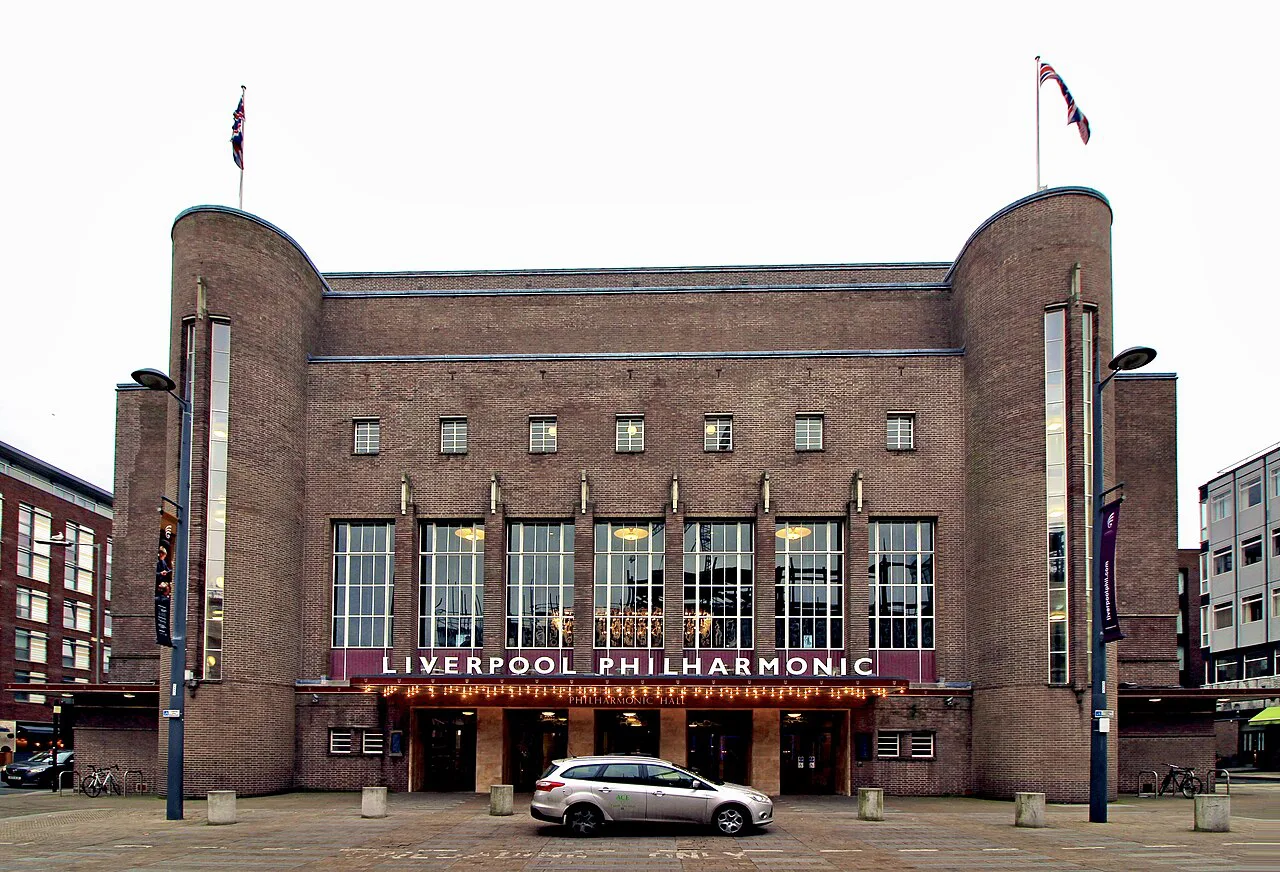
Ye Hole in Ye Wall: the small survivor on Hackins Hey
Hackins Hey is a narrow lane in the commercial core, minutes from Moorfields station and the Dale Street offices, which explains why this pub has always served workers rather than sightseers. Inside, expect a compact, low-ceilinged room where a group of four may struggle to sit together and a pair will do fine. Its appeal is atmosphere, not space or a view.
Go early in the evening if you want a seat, and be prepared to stand at busy times rather than queue for a table. It is a short first stop on any heritage walk, since the grander pubs around Dale Street are no more than a few minutes away on foot. Check the pub's own channels for current hours before travelling for it alone.
The Philharmonic Dining Rooms: Liverpool's showpiece
The Philharmonic Dining Rooms on Hope Street is graded I, the highest listing Historic England can give a building in England, and the CAMRA heritage record lists it under listing number 1207638. That status is why it matters: the interior is protected in detail, from the ornate plasterwork and fittings to the famously elaborate gents' toilets, which visitors have been admiring for decades. Drink here once for the room as much as the beer.
It is a busy, sociable pub near the Philharmonic Hall and the university, so it fills early with a mix of locals and visitors. Look up at the ceilings and along the bar screens rather than straight at your phone. Because the building is a destination, a mid-afternoon visit gives you a better chance of standing back and seeing the rooms properly.
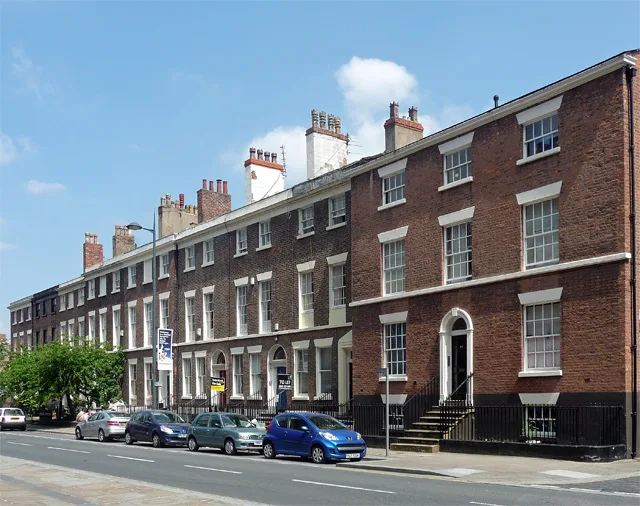
The Vines and Thomas Rigby's: a pair to compare
The Vines on Lime Street is grade II star listed under number 1084210, a cut above the ordinary grade II and a rare grade for a pub. Its long bar and panelled rooms suit a proper sit-down pint, and its position means it catches railway traffic in a way the smaller back-street pubs do not. Start here if you are arriving at Lime Street station and want to begin the walk immediately.
Thomas Rigby's, recorded under the Rigby's Buildings listing (number 1206420) and also grade II, sits in the Dale Street commercial quarter and makes a natural second stop five or so minutes away. Comparing the two is the point: one is a station-side landmark, the other a business-district pub with its own character. Both reward a slow drink rather than a quick half.
Lion Tavern and Peter Kavanagh's: listed interiors worth seeking
The Lion Tavern on Moorfields is grade II listed under number 1363074, and Historic England notes the building dates from 1865 before being remodelled in the early twentieth century. That gives you a Victorian shell with a later interior to look at, which is exactly the kind of layered detail the heritage record exists for. It is small and close to the business district, so it works best as an early stop.
Peter Kavanagh's on Egerton Street, listed grade II under number 1001636, lies in the Georgian quarter south of the city centre and feels like a different city entirely: residential streets, lower ceilings, a pub built for conversation. It is the one to end on if you want quiet rather than a crowd, and it pairs well with the Philharmonic on the same side of town. Bring a tolerance for tight rooms and no expectation of table service speed.
If your interest runs beyond the buildings, the breweries in Liverpool are the natural next step for anyone curious about what is actually in the glass.
Belvedere and the Baltic Fleet: quieter options
The Belvedere in the city centre is grade II listed under number 1068240, and its compact interior makes it the sort of pub you drop into for one and end up staying for two. It is a realistic choice when the Philharmonic is heaving, being close enough to substitute without changing your route. Expect a smaller room and less standing space at peak times.
The Baltic Fleet on Wapping is grade II listed under number 1218452 and sits in the dock-edge streets south of the centre, away from the main retail bustle. It suits a later pint if you are staying near the Albert Dock or walking back from the waterfront. The trade-off is distance: this is the stop you plan around rather than pass through.
Crown Hotel and Doctor Duncan's in a crawl
The Crown Hotel in the city centre, listed grade II under number 1208085, and Doctor Duncan's, listed under number 1292419 and known historically as St John's House, both sit in the dense cluster near Lime Street and the commercial streets below it. Slot them between the Vines and Thomas Rigby's rather than treating them as destinations in their own right; they are the texture between the showpieces.
Doctor Duncan's is named for a celebrated Liverpool figure, and the building's listed name reflects a former life as a house, which is why its proportions feel domestic rather than pub-like. Order a cask ale and sit in the front room if you can get it. Both pubs are small enough that a group of six should split or plan around a standing round.
A historic crawl ordered by walking geography
Start at Ye Hole in Ye Wall on Hackins Hey with a half, then work towards the Dale Street quarter for Thomas Rigby's and the Crown Hotel, keeping the stops short because the rooms are tight. Move north-west to the Lion Tavern on Moorfields, then take the walk south to the Vines on Lime Street. This first leg is all within ten minutes on foot and covers four to five pubs without crossing the city twice.
From Lime Street, head up Hope Street to the Philharmonic Dining Rooms for the architectural high point, then continue into the Georgian quarter for Peter Kavanagh's to finish somewhere quieter. If you are based near the water instead, swap the second leg for the Baltic Fleet on Wapping and end by the docks. Choose the leg that matches where you are sleeping; both are proper evenings out.
Aim for early evening arrivals at the smaller pubs and leave the Philharmonic until later in the evening when you are content to stand. If you want a longer table and something to eat with the beer, look at pub food Liverpool options before you set out and book where it matters.
Planning: crowding, groups and timing
Almost every pub on this route is small, and several are listed precisely because their interiors were never opened up. That means limited seating and a real chance of standing on a Friday or Saturday night, with few of these rooms taking bookings for a drink. For a group, split into twos and threes at each stop rather than trying to hold one table, or book somewhere larger for the meal and use these pubs for the drinks around it.
Weekday afternoons are the sweet spot for seeing interiors: fewer people, more light, and time to look at plasterwork and bar fittings without a crowd behind you. Check the pubs' own websites or social channels for current opening hours before a dedicated trip, since licensing and hours change. In summer, a beer garden on the edge of the centre can be a better call than a stifling back room, so weigh outdoor space against heritage when the weather is good.
Each named place we cover here has its own short guide, collected under Liverpool pubs and food landmarks. Keep the crawl to one side of the city per evening and you will spend your time drinking rather than walking.
What Grade I and Grade II actually mean
Historic England grades listed buildings by architectural or historic interest: grade I is the rarest and most significant, grade II star sits in the middle, and grade II covers the great majority of protected buildings. The Philharmonic Dining Rooms holds grade I under listing number 1207638, while the Vines is grade II star under number 1084210 and most others on this walk are grade II. When a pub is listed, the protection covers the interior as well as the facade, which is why the fittings you are admiring are still there.
In practice, listing constrains what a landlord can change, so a listed pub tends to keep its room layout, its bar and its decorative details. That is good news for drinkers and occasionally awkward for pubs trying to add seating or a kitchen. Look for the listing number in the CAMRA branch heritage pub map if you want to read the official description of what is protected before you go.
Which historic Liverpool pub should you start with?
Start at Ye Hole in Ye Wall for the oldest claim and the smallest room, then let the Philharmonic Dining Rooms be your showpiece later in the evening when standing is no hardship. If you only have time for two, that pairing gives you both ends of the scale in one walk across the centre.
For a quieter version, swap the second stop for Peter Kavanagh's or the Baltic Fleet and accept a longer walk in exchange for space. Either way, go on a weekday if you want to look at the interiors properly, and check the pubs' own channels for current hours before you commit an evening to one small room. If you are planning a bigger meal afterwards, our Sunday Roast in Liverpool guide has options that sit well after a crawl like this.
Sources
Notes on eating out in the UK
Optional updates when our city guides change.
You might also like
Continue reading
More guides you'll find useful