
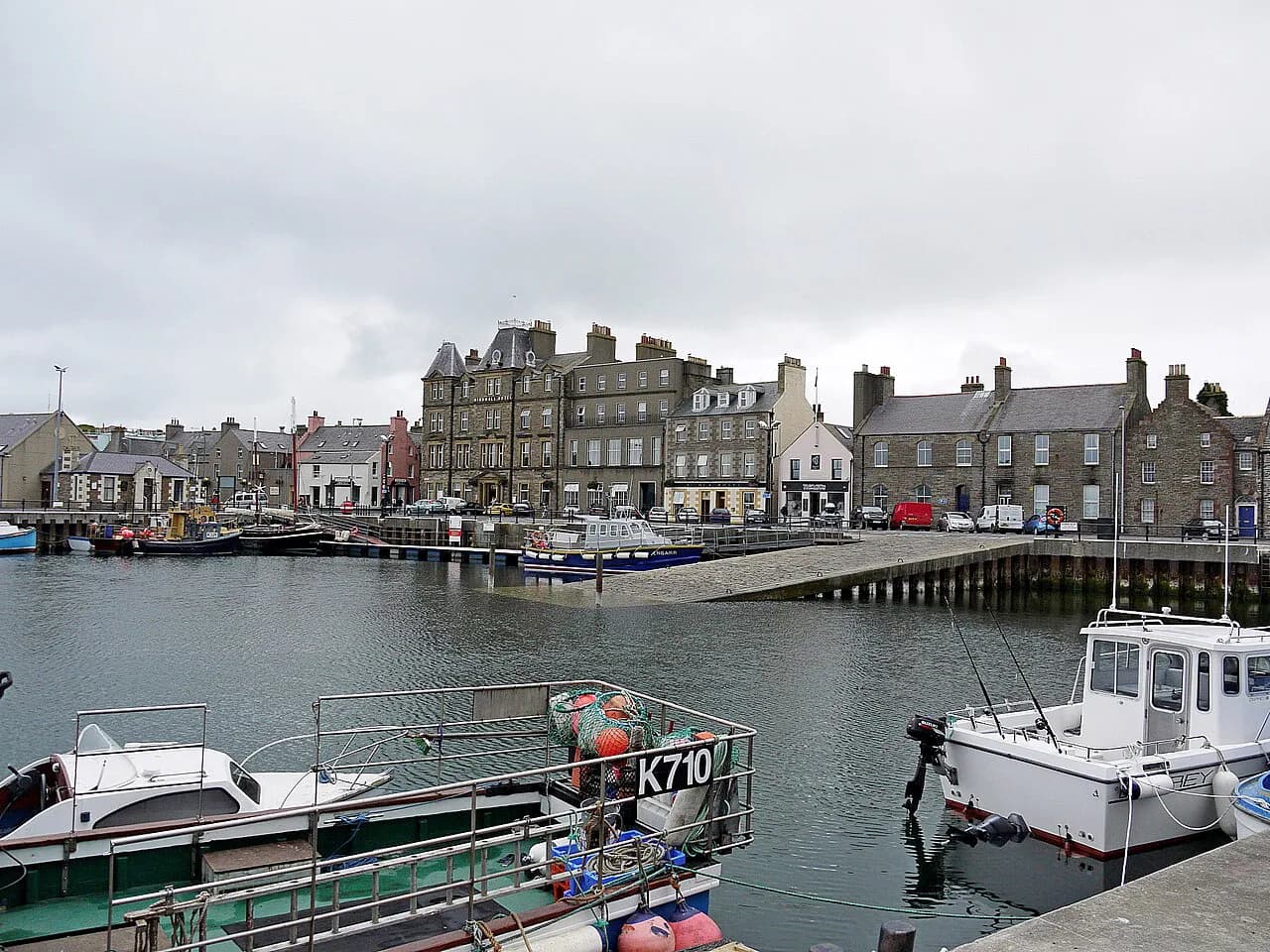
Orkney Cheese Company: A Practical Guide to Orkney Cheddar

The Orkney Cheese Company makes cheddar rather than running a visitor attraction, so treat any stop as a short, purposeful one rather than an afternoon out. Its cheeses are made only from pasteurised Cow's milk sourced from the Orkney Isles, and the range runs from medium to extra mature. The company's cheese is the Orkney name you will see on shelves, and the business is associated with Kirkwall on Orkney Mainland. This guide covers what it makes, what to know before you set out, what to buy and which nearby stops pair well with it.
What the Orkney Cheese Company makes
This is a cheese-making business associated with Kirkwall, on Orkney Mainland, producing cheddar from milk gathered across the islands. Its cheeses appear under the Orkney name as Mature, Medium and Extra Mature cheddar, in both white and coloured forms. Expect a food producer's premises, not a themed attraction with a set route around it, and confirm before travelling whether anything is open to the public.
The single most useful thing to understand before you go is that cheddar is a matured product, so what you taste depends on how long it has sat. Orkney cheddar is described as firm but malleable, with a clean aroma and savoury, nutty notes, and the mature version is creamy and mellow with a slightly sharp edge. That profile makes it a cheese for a plain oatcake or a sandwich rather than something that needs dressing up.
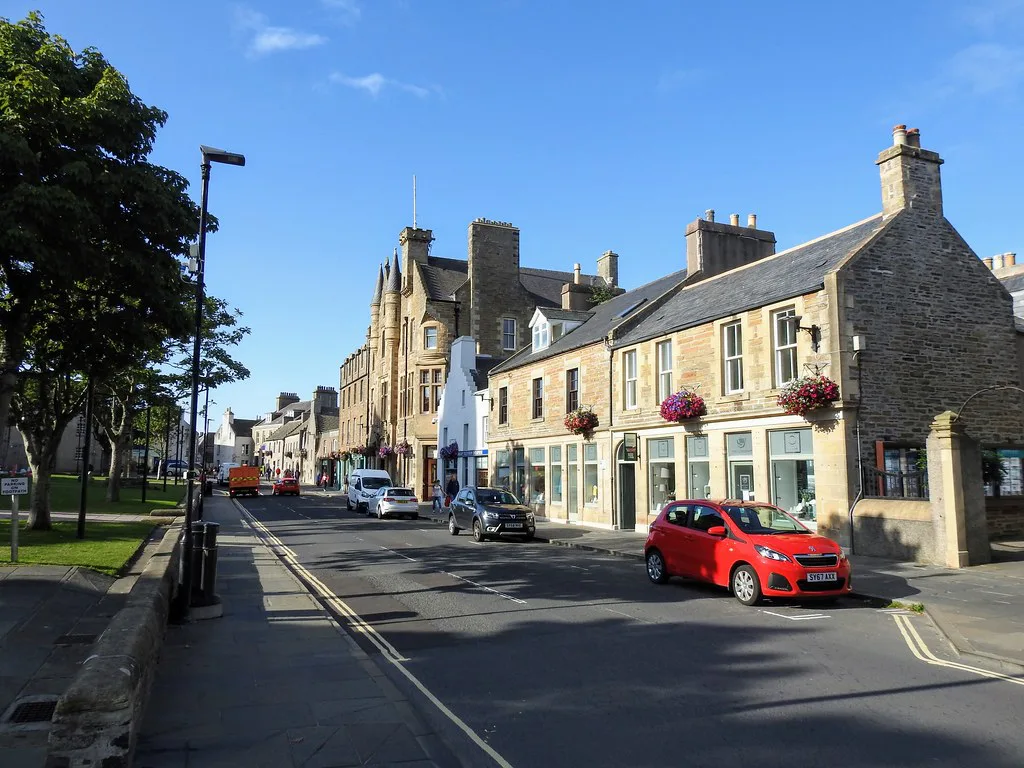
Where it sits in Kirkwall and getting there
The cheese is tied to Kirkwall, on Orkney Mainland, so the useful planning question is where any public counter or shop actually is, rather than picturing a rural farm visit. The town centre itself is compact and walkable, which matters if you are arriving by ferry or cruise tender into the harbour. Check the exact address and any visitor arrangements before setting out; the Orkney Cheese Company is the producer behind the range.
For anyone relying on public transport, Orkney's bus network links Kirkwall with the Mainland's main settlements and ferry terminals, and local services are the sensible way to build a cheese stop into a wider day on the island. Drivers have the easiest time of it, and combining errands on foot saves trouble in a small town centre. If your visit hinges on catching a specific ferry or tour, check the return times first and build the cheese stop around them.

White or coloured: choosing your cheddar
The white-versus-coloured question trips up plenty of buyers, so here is the short answer: the difference is colouring. Orkney's coloured cheddar gets its bright hue from a vegetable colour pigment added after pasteurisation, while the white version has none. Pick on habit or on what looks right on your board.
Maturity is the choice that shapes what you eat. Cheddar is generally matured for anywhere between six and eighteen months, and the mature expression at twelve to fifteen months is where the creamy, gently sharp character sits, while extra mature goes further. If you only buy one, buy mature and use it as your benchmark.
Orkney cheddar is also sold in retail packs well beyond Orkney, including a 200g Orkney Mature Scottish Coloured Cheddar in supermarket chillers. That is useful context, but buying it at a mainland supermarket and calling at the Kirkwall site are separate things, so do not assume the shop counter is open just because the cheese is on sale elsewhere.
What to expect from a visit
Set your expectations at a working food business: the point is the cheese itself, not a signed trail or an interactive display. Do not build a whole day around it, and do not skip it either if Orkney food is the point of your trip. It pairs naturally with the town's drink producers, covered below.
Opening to visitors, any shop on site and whether tours run are not reliably published, so ring or email ahead with your dates before travelling out of your way. Ask directly whether you can buy on the day and which matured cheddars are in stock, because stock moves with production. A quick call also saves you turning up on a day the site is closed to the public.
Buying Orkney cheddar to take home
A waxed truckle or a sealed wedge travels far better than a cut piece wrapped in paper, and vacuum-packed portions survive a ferry and a train with no drama. If you are flying, remember that cheese is fine in checked baggage but soft or cut cheese in hand luggage can raise questions at security. Buy towards the end of your day rather than carrying it around Kirkwall for hours.
Ask for a taste before committing to a large piece, and say what you plan to do with it, since mature cheddar for cooking and extra mature for eating neat are different purchases. Once home, keep it wrapped and cold and let it come to room temperature before serving so the nutty notes come through. If you want Orkney food to take further, the Brig Larder Kirkwall in the town centre makes a sensible second stop.
Nearby stops to pair with the cheese
Kirkwall's drinks producers make natural companions for a cheese stop, and the Highland Park Distillery in Kirkwall is the best-known name in town and gives a longer, more structured visit to balance a brief cheese errand. Book ahead in peak season, as tours fill. If you prefer something smaller, the Scapa distillery offers an alternative nearby.
Beer drinkers should head out to the Orkney Brewery, which sits outside the town centre and rewards anyone willing to make the trip for a tasting. Pair it with the cheese if you are building a picnic, since mature cheddar and a pale ale do the job nicely. Allow extra travel time for the journey out and back rather than squeezing it into a harbour-side hour.
For a sit-down meal after the cheese, the Shore Kirkwall and the Reel Kirkwall cover a decent range of local seafood and pub cooking, both within reach of the centre. Book in summer, when the town's tables fill with visitors off the ferries. If you are staying the night, eat before the kitchens close rather than counting on a late plate. Check current opening hours before you travel.
Is the cheese stop worth building into your Kirkwall day?
Yes, with the right expectation: this is a short food-buying stop rather than a day out, and it earns its place if you care about Orkney produce and want mature cheddar at source. Confirm the practicalities before you travel and spend the rest of the day on Orkney's drink producers and town-centre tables. Pair it with a distillery or brewery visit and it makes a solid half-day in Kirkwall.
Explore more Kirkwall guides
Frequently Asked Questions
Can you visit the Orkney Cheese Company in Kirkwall?
The company does not reliably publish visitor arrangements, so the safe approach is to contact it directly before travelling with your dates and ask whether you can call in and buy on the day. Treat any stop as a short food-buying errand rather than a tour.
What is the difference between white and coloured Orkney cheddar?
Only the colouring. The coloured version is coloured with a vegetable colour pigment added after pasteurisation, while the white version has none added. The flavour comes from the milk and the maturation, not the colour.
How mature is Orkney mature cheddar?
Cheddar is generally matured for six to eighteen months, and the mature expression sits at roughly twelve to fifteen months. That gives it a creamy texture with a mildly sharp, savoury, nutty character rather than the punch of an extra mature, which the company also sells.
How do I get to the cheese company from Kirkwall harbour?
The town centre is compact and walkable, and the cheese is tied to Kirkwall rather than out in the open countryside, though the exact public-facing address needs checking with the company. Orkney's bus network links Kirkwall with the Mainland's main settlements and ferry terminals if you are combining the stop with other places. Check arrangements with the company before you travel.